
A period rarely follows one fixed pattern from beginning to end. Flow may be heavier at the start, become lighter over the next few days, and finish with occasional spotting. Yet many people select one menstrual product and expect it to remain equally comfortable and reliable throughout.
Understanding these changes makes it easier to select suitable protection, including the best pads for heavy flow, without using high absorbency when it is no longer needed. Protection needs can shift with flow, movement, sleep, and skin comfort, so a flexible routine helps at every stage.
The First Days: Prioritize Capacity and Secure Coverage
For many people, bleeding is heaviest during the first one or two days, although individual patterns vary. During this stage, absorbency, length, and a secure fit matter. A suitable pad should fit the underwear securely, cover the area where flow is most likely to reach, and remain comfortable while sitting, walking, or commuting.
Wings can help keep it in position, while a longer design may offer extra coverage. Absorbency should match actual needs rather than automatically defaulting to the thickest option. If bleeding regularly soaks through a pad every hour or two, lasts longer than usual, or interferes with daily activities, discuss the pattern with a healthcare professional.
Mid-Period: Reassess Rather Than Keep the Same Level
As flow eases, the protection that felt necessary on the first day may become bulky or less comfortable. This is a useful point to reassess absorbency and fit. A regular-flow pad may provide enough coverage without the extra material needed during heavier hours. Some cycles remain heavy for several days, while others become lighter quickly. Tracking changes and comfort over several cycles can help identify a pattern.
The choice of best pads for heavy flow should be viewed in this context. A high-absorbency option may be useful when bleeding is strongest, but it does not have to be the default throughout menstruation. Matching the product to current flow can support comfort and reduce unnecessary bulk.
Later Days: Lighter Protection Can Be More Practical
Toward the end of a period, bleeding often becomes lighter and may appear pinkish or brown. Some people experience occasional spotting rather than a steady flow. A thinner pad or panty liner may be sufficient, depending on personal preference and the amount of discharge.
However, a liner is not automatically suitable for every final day. Anyone with moderate bleeding should choose enough coverage rather than rely on a product designed for minimal flow. Reduce absorbency when appropriate, but not so soon that leakage becomes more likely.
Overnight Needs Are Different From Daytime Needs
Protection requirements can change during sleep. Several hours may pass without an opportunity to check or change a pad, while sleeping position and movement can affect where leaks occur. A longer overnight pad may provide more rear coverage for people who experience leaks while lying down.
Those with heavier nighttime flow may prefer a higher-capacity design, while lighter-flow days may call for less coverage. The right choice depends on individual flow and fit. Change menstrual products regularly, follow product instructions, and change sooner if a pad becomes soaked, damp, or uncomfortable.
Consider Skin Comfort Alongside Absorbency
Absorption is only one part of menstrual protection. Heat, moisture, friction, tight clothing, and sensitivity to fragrances or materials can affect skin comfort. Look for a comfortable fit and materials that feel gentle against the skin. If a product causes persistent itching, burning, or a rash, stop using it and consider whether a material, fragrance, or adhesive may be contributing. Ongoing irritation should be assessed by a healthcare professional.
Changing pads regularly matters on light as well as heavy days. Good menstrual hygiene includes clean hands when changing products, appropriate disposal, and following the manufacturer’s instructions. The same product may also feel different depending on underwear style and daily activity. Check that the pad lies flat, adhesive holds, and edges do not bunch when sitting or walking. A fit check before leaving home can prevent discomfort and help identify a better size or shape.
Build a Routine Around Your Own Pattern
Plan protection by observing several cycles rather than assuming every month will be identical. Note which days tend to be heavier, when flow tapers, whether overnight leakage occurs, and which products remain comfortable during different activities. A practical period kit can include more than one absorbency level, a few liners for spotting, spare underwear, and a small disposal bag.
Keeping supplies at home, work, school, or in a travel bag can reduce last-minute stress. In warm or humid conditions, breathable materials and regular changes may be especially useful. People who commute or exercise may also prefer protection that stays secure during movement.
Know When a Change Deserves Medical Attention
Variation between menstrual days is common, but a noticeable change from an established pattern should not be dismissed. Very heavy bleeding, periods that last longer than usual, bleeding between periods, severe pain, or symptoms such as dizziness and unusual weakness deserve medical advice. Tracking the timing and amount of bleeding can help a healthcare professional understand what has changed.
Conclusion
Menstrual protection works best when it responds to changing needs. Higher absorbency may be useful during heavier days, regular protection can suit moderate flow, and lighter options may be practical toward the end of a period. Overnight coverage, skin comfort, fit, and regular product changes also deserve attention. Tracking personal patterns makes these choices easier. Whether comparing options for a pad for women in Dubai or planning supplies at home, the most useful choice provides appropriate coverage, comfort, and reliable hygiene throughout each stage.
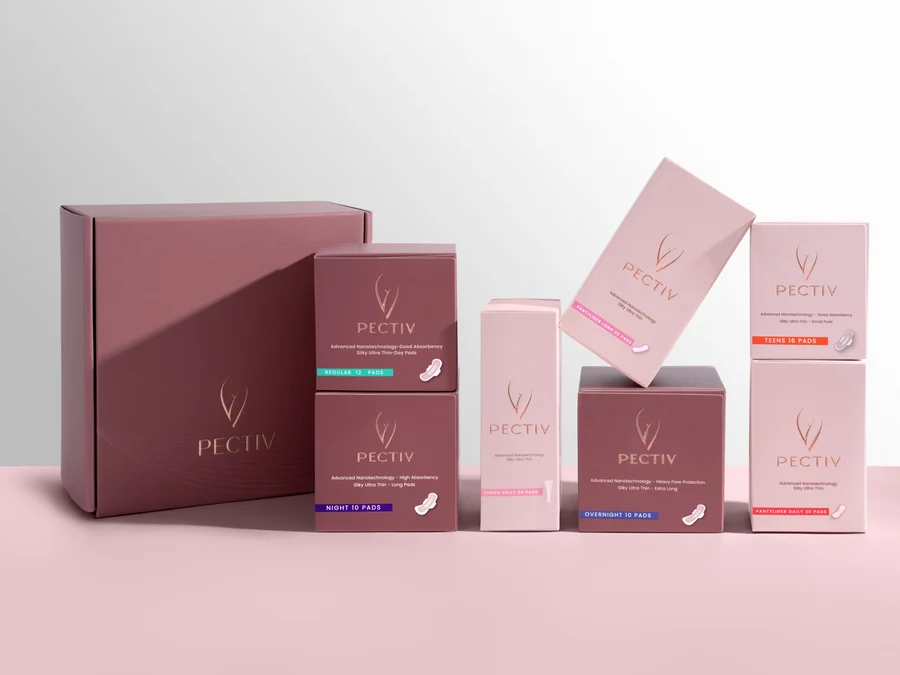
PECTIV is a feminine-care brand whose range includes period pads designed for different stages and protection needs. Its collection features day, night, and overnight options, alongside liners. This variety reflects the value of choosing menstrual products according to changing flow, coverage preferences, and comfort requirements throughout an individual menstrual cycle.
