
Introduction
A vibroacoustic therapy system is a gentle wellness tool that uses sound and soft vibrations to relax the body and calm the mind. Many people today feel stress, body pain, sleep problems, or emotional pressure. This modern therapy combines music and low-frequency sound waves to create a soothing experience that you can feel inside your body. Instead of using strong medicine or complex machines, it works in a simple and natural way. From wellness centers to home use, more people are trying this method to improve comfort, balance, and overall well-being.
What Is a Vibroacoustic Therapy System?
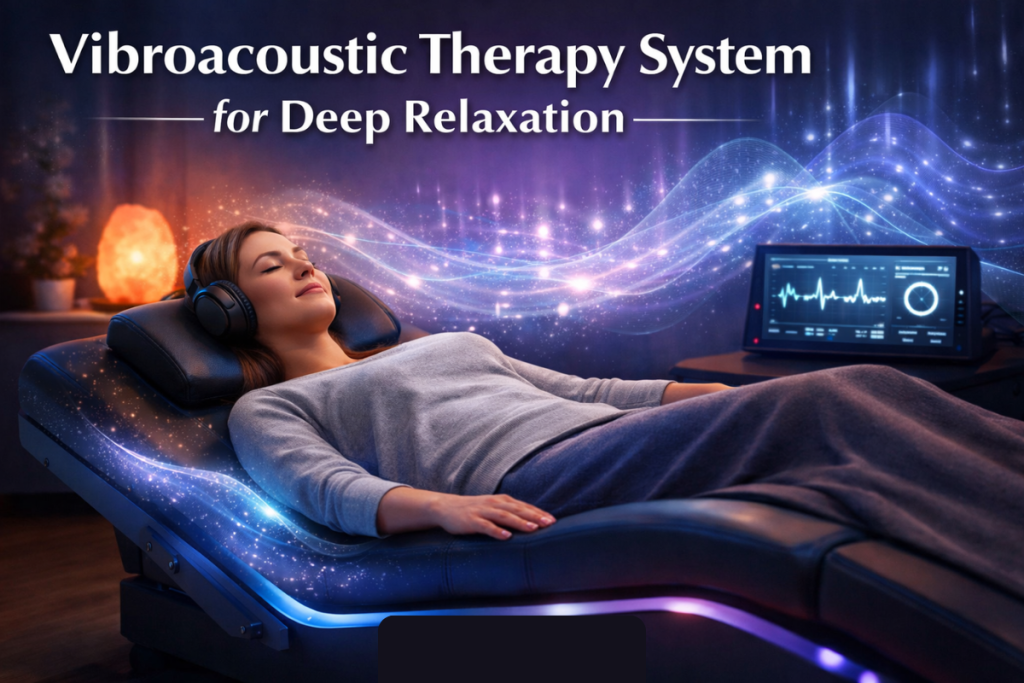
A vibroacoustic therapy system is a device designed to send low-frequency sound vibrations through the body while calming music plays in the background. These vibrations travel through special chairs, beds, or mats. When a person lies or sits on the device, the body gently responds to the sound waves. The experience feels like a soft internal massage. It does not hurt and does not require any surgery or needles. The goal is to help muscles relax, support better blood flow, and calm the nervous system.
It Works Inside the Body
The system uses speakers placed inside a surface where a person rests. These speakers produce low-frequency tones that move through the body’s tissues. Our bodies are mostly made of water, and sound travels very well through water. When the sound waves enter the body, they create tiny vibrations that help muscles loosen and tension fade away. At the same time, calming music supports emotional balance. Together, sound and vibration help the body shift from stress mode to a relaxed state.
The Science Behind Sound and Vibration
Sound has always played a role in healing traditions around the world. Today, modern science studies how low-frequency sound affects the brain and nervous system. These sounds can help slow the heart rate, reduce stress hormones, and improve mood. Researchers believe the vibrations stimulate the parasympathetic nervous system, which is the part responsible for rest and recovery. While more research is still ongoing, early studies show positive results for relaxation, sleep, and pain management.
Key Benefits for Physical Health
One major reason people choose this therapy is for physical comfort. The gentle vibrations can help reduce muscle stiffness and joint pain. Many users report relief from back pain, neck tension, and body aches. It may also help improve circulation, which supports healing and recovery. Athletes sometimes use it after intense workouts to help muscles relax faster. For people with long work hours or sitting jobs, it can be a simple way to ease daily tension.
Emotional and Mental Wellness Support
Beyond physical comfort, this therapy also supports emotional well-being. Soft music combined with vibration can lower anxiety and improve mood. Some people use it during meditation sessions to deepen relaxation. It may also support better sleep by calming racing thoughts before bedtime. For individuals facing emotional stress, the steady rhythm of vibration can create a sense of safety and grounding.
Use in Special Care Settings
In care centers, vibroacoustic therapy is sometimes used for individuals with autism, sensory challenges, or neurological conditions. The steady vibration can help improve focus and reduce restlessness. In elderly care, it may support comfort and relaxation without strong medication. Some therapists also use it in trauma recovery settings to help clients safely reconnect with their bodies.
Home vs. Professional Systems
There are different types of systems available. Professional units are often found in wellness clinics, therapy centers, and spas. They may include advanced settings, multiple sound frequencies, and custom programs. Home systems are usually simpler but still effective for relaxation and basic support. When choosing a device, it is important to look for quality materials, adjustable sound levels, and safety certifications.
Safety and Who Should Avoid It
This therapy is generally safe for most people. However, individuals with pacemakers, severe heart conditions, or certain medical implants should speak with a doctor before trying it. Pregnant women and people with serious health issues should also seek medical advice first. The experience should always feel comfortable. If someone feels discomfort or dizziness, they should stop the session.
Session Experience: What to Expect
A typical session lasts between 20 and 45 minutes. The person lies down or sits comfortably while soft music plays. The vibrations begin gently and slowly build to a steady rhythm. Many people describe the feeling as calming and grounding. Some may even fall asleep during the session. Afterward, users often report feeling lighter, calmer, and more refreshed.
Comparison with Other Relaxation Methods
Unlike massage therapy, this system does not require physical pressure from another person. Unlike meditation, it does not require strong focus or practice. Compared to medication, it does not involve chemicals entering the body. It offers a middle path that combines technology and natural sound to create relaxation in a simple way.
Growing Popularity Around the World
Wellness trends continue to grow as people search for non-invasive ways to improve health. Sound-based therapies are becoming more popular in Europe, Asia, and North America. Spas, yoga studios, and rehabilitation centers are adding these systems to their services. As awareness spreads, more families are exploring home options as well.
Choosing the Right Vibroacoustic Therapy System
When selecting a system, consider comfort, durability, sound quality, and ease of use. Look for adjustable frequency levels and built-in music options. Some systems connect to mobile devices so users can choose their own calming sounds. Reading reviews and consulting a health professional can also help make a smart choice.
Future of Vibroacoustic Technology
Technology continues to evolve, and future systems may include smart sensors that adjust vibrations based on heart rate or stress levels. Researchers are also studying how specific frequencies may target certain conditions. As understanding grows, this therapy could become more common in hospitals and mental health programs.
Conclusion
A vibroacoustic therapy system offers a gentle and natural way to relax the body and calm the mind. By combining low-frequency sound with soothing music, it supports physical comfort and emotional balance. It is simple, non-invasive, and easy to use in both professional and home settings. While it is not a replacement for medical care, it can be a helpful addition to a healthy lifestyle. As more people look for safe and natural wellness options, this therapy continues to gain attention for its calming and supportive effects.
FAQs:
What does a vibroacoustic therapy system do?
It uses low-frequency sound vibrations to help relax muscles and calm the mind.
Is vibroacoustic therapy safe?
Yes, it is generally safe for most people, but medical advice is recommended for certain conditions.
How long is a typical session?
Most sessions last between 20 and 45 minutes.
Can it help with sleep problems?
Many users report improved sleep after regular sessions.
Is it suitable for children?
It can be used for children under professional guidance, especially in sensory care settings.
