
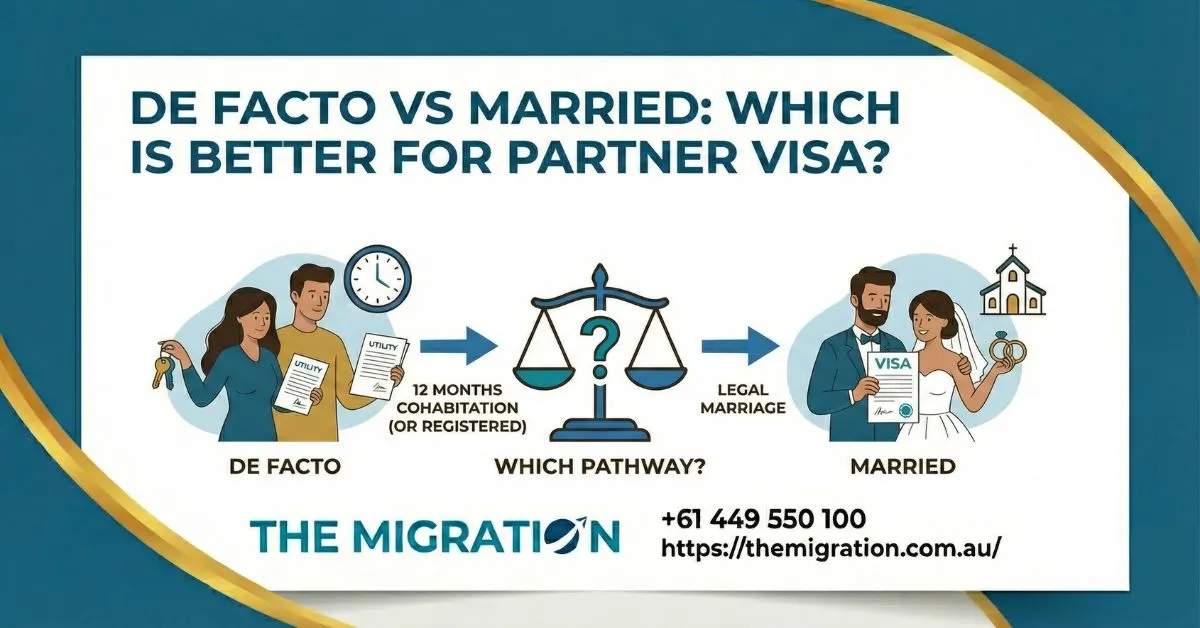
Separation looks different depending on whether you were married or in a de facto relationship — but many Melbourne couples are surprised to learn just how similar the legal process actually is. Under Australian family law, de facto couples and married couples are treated almost the same way when it comes to property settlement, parenting arrangements, and financial support. Still, there are a few key distinctions that can significantly affect your rights, your timeline, and your next steps.
Whether you’re just starting to consider separation or you’re already navigating it, understanding these differences is the first step toward protecting your interests.
What Counts as a De Facto Relationship?
A de facto relationship exists when two people who aren’t married live together on a genuine domestic basis. Courts look at a range of factors to determine whether a relationship meets this threshold, including:
- The duration of the relationship
- Whether the couple lived together
- Financial interdependence (shared bank accounts, joint loans, etc.)
- Whether the relationship was publicly known as a couple
- The presence of children
- The degree of mutual commitment to a shared life
Unlike marriage, there’s no certificate or formal registration that automatically proves a de facto relationship existed. This can make de facto separations more complex in practice, because one of the first hurdles may be establishing that the relationship legally qualifies as de facto in the first place.
Key Legal Differences
1. Proving the Relationship
Married couples have a marriage certificate as clear evidence of their relationship’s existence and start date. De facto couples often need to provide additional evidence — text messages, joint bills, lease agreements, or witness statements — to establish the relationship formally, especially if their former partner disputes it.
2. Time Limits to Apply for Property Settlement
This is one of the most important distinctions:
- Married couples generally have 12 months from the date of divorce to apply to the court for property settlement or spousal maintenance.
- De facto couples generally have 2 years from the date of separation to do the same.
Missing these deadlines can mean losing the right to make a claim altogether, unless special permission from the court is granted — which isn’t guaranteed.
3. Minimum Relationship Length for De Facto Claims
For a de facto couple to access the same property settlement rights as a married couple, the relationship generally needs to have lasted at least two years, unless there’s a child of the relationship or one partner made substantial contributions that would make it unjust not to recognise the relationship.
4. Superannuation Splitting
Superannuation splitting laws were extended to de facto couples in most states, including Victoria, but the rules and eligibility can be more nuanced depending on when the relationship began and ended.
What Stays the Same
Regardless of whether you were married or de facto, the following principles generally apply equally:
- Property settlement is assessed using the same four-step process: identifying assets and liabilities, assessing contributions, considering future needs, and determining what’s “just and equitable.”
- Parenting arrangements are governed by the same legal framework, with the child’s best interests as the central consideration.
- Child support obligations apply the same way regardless of relationship type.
Why This Matters for Your Next Steps
The overlap between de facto and married separation law means many people assume the process will be identical — but the differences in time limits, evidentiary requirements, and eligibility thresholds can have real consequences if overlooked. A missed deadline or an unproven relationship claim can mean forfeiting entitlements you were otherwise owed.
This is where getting timely, informed advice becomes essential. Whether you’re unwinding a marriage or a long-term de facto partnership, the details of your situation — how long you were together, what you own, whether children are involved — shape the strategy from day one.
If you’re navigating this process in Victoria, seeking legal support after separation in Melbourne early can help you understand your rights, avoid costly missteps, and move forward with clarity rather than guesswork.
Final Thoughts
De facto and married separations in Melbourne share much of the same legal DNA, but the differences that do exist — particularly around time limits and proving the relationship — can make or break a claim. If you’re separating, don’t wait until a deadline is looming. Speaking with experienced separation lawyers Melbourne couples trust can help you understand exactly where you stand and what to do next.
This article is general information only and does not constitute legal advice. For advice specific to your situation, please consult a qualified family lawyer.
