

Introduction
Vegan snacks are a simple way to enjoy delicious food between meals without using animal-derived ingredients. Whether you prefer something sweet, crunchy, salty, or rich in protein, there are plenty of plant-based options to satisfy your cravings. From fresh fruit and roasted chickpeas to homemade energy balls and creamy hummus, vegan snacking can be convenient, flavorful, and nutritious.
Choosing the right snacks can also help you manage hunger during busy workdays, prepare for exercise, or enjoy a quick bite while traveling. The best options depend on your taste preferences, dietary needs, available ingredients, and daily routine.
In this guide, you will discover 25 easy vegan snack ideas, practical preparation tips, nutritious ingredient combinations, and simple ways to choose snacks that fit your lifestyle.
What Are Vegan Snacks?
Vegan snacks are foods made without animal-derived ingredients, including meat, fish, dairy products, eggs, and honey. They can be prepared using fruits, vegetables, legumes, nuts, seeds, grains, and other plant-based ingredients.
Many familiar foods are naturally vegan, while others require small ingredient substitutions to make them suitable for a vegan diet.
Examples include:
- Fresh apples, bananas, oranges, and berries
- Roasted chickpeas and seasoned nuts
- Hummus with cucumber or carrot sticks
- Oatmeal energy balls made without honey
- Dairy-free yogurt with fresh fruit
- Popcorn prepared with plant-based oil
- Whole-grain toast with peanut butter
However, not every snack labeled as plant-based is automatically vegan. Some products contain milk powder, whey, casein, eggs, gelatin, or honey. Checking the ingredient list is important when purchasing packaged foods.
25 Best Vegan Snacks to Try at Home
The following vegan snack ideas include sweet treats, savory bites, protein-rich choices, and convenient options that require little preparation.
1. Fresh Fruit With Nut Butter
Fresh fruit paired with nut butter offers a combination of natural sweetness, fiber, and satisfying fats.
Slice an apple or banana and serve it with peanut butter, almond butter, or another plant-based spread. Choose a nut butter with minimal added sugar and salt if you prefer a simpler ingredient list.
This snack works well for breakfast, an afternoon break, or a quick bite before a walk.
Preparation tip: Spread nut butter on apple slices and sprinkle with cinnamon for extra flavor.
2. Roasted Chickpeas
Roasted chickpeas are crunchy, savory, and easy to prepare at home. They also provide plant-based protein and dietary fiber.
To make them, drain and rinse canned chickpeas, dry them thoroughly, and toss them with olive oil, paprika, garlic powder, and black pepper. Roast at approximately 200°C (400°F) until crisp, checking and stirring periodically.
Allow them to cool before storing.
You can experiment with different seasonings, including cumin, chili powder, curry powder, or lemon zest.
3. Hummus With Fresh Vegetables
Hummus is a creamy dip traditionally made from chickpeas, tahini, lemon juice, garlic, and olive oil.
Serve it with carrot sticks, cucumber slices, bell peppers, celery, or whole-grain crackers. This combination supplies fiber and makes it easier to include vegetables in your daily routine.
For extra convenience, portion hummus into small containers at the beginning of the week.
Best for: A refreshing afternoon snack or a light appetizer.
4. Homemade Vegan Energy Balls
Vegan energy balls are compact snacks made with ingredients such as oats, dates, nut butter, and seeds.
Blend pitted dates with oats and peanut butter, then mix in chia seeds or ground flaxseed. Roll the mixture into small balls and refrigerate until firm.
You can add unsweetened cocoa powder, shredded coconut, or chopped nuts for variety.
Because dates and nut butter are energy-dense, keep portions appropriate for your hunger and activity level.
5. Air-Popped Popcorn
Popcorn can be a light, crunchy vegan snack when prepared without butter or dairy-based seasonings.
Air-pop plain popcorn kernels and add a small amount of olive oil, nutritional yeast, smoked paprika, or black pepper.
Nutritional yeast provides a savory, cheese-like flavor without dairy.
Packaged popcorn can also be suitable for vegans, but check the ingredient list for butter, milk ingredients, or other animal-derived additives.
6. Roasted Almonds and Mixed Nuts
Almonds, walnuts, cashews, pistachios, and other nuts offer healthy unsaturated fats, protein, and minerals.
A small handful makes a convenient snack for the office, school, or travel. Choose unsalted or lightly salted varieties if you want to limit sodium.
You can prepare a homemade trail mix by combining nuts with pumpkin seeds, sunflower seeds, and a few pieces of dried fruit.
Remember that nuts are calorie-dense, so a small portion may be enough to satisfy your hunger.
7. Dairy-Free Yogurt With Berries
Plant-based yogurt can be made from soy, coconut, oats, almonds, or other ingredients.
Add fresh strawberries, blueberries, raspberries, or sliced banana for natural sweetness and additional nutrients.
For a more filling snack, sprinkle the yogurt with oats, chia seeds, or chopped walnuts.
Check the nutrition label when buying dairy-free yogurt. Protein content, added sugar, and calcium fortification can vary considerably between brands and product types.
8. Avocado Toast
Avocado toast is a simple savory snack that combines creamy texture with the crunch of toasted bread.
Mash ripe avocado with lemon juice, black pepper, and a little salt. Spread it over whole-grain toast and finish with sesame seeds or chili flakes.
For additional protein, add mashed white beans or serve the toast with roasted chickpeas.
Choose bread without milk, eggs, honey, or other non-vegan ingredients.
9. Banana Oat Cookies
Banana oat cookies can satisfy a sweet craving without requiring eggs or dairy.
Mash two ripe bananas and mix them with approximately one cup of rolled oats. Add cinnamon, raisins, or dark chocolate chips that are confirmed vegan.
Shape the mixture into small cookies and bake at around 180°C (350°F) until set.
The texture will generally be softer than conventional cookies, but the recipe is straightforward and uses inexpensive ingredients.
10. Edamame With Sea Salt
Edamame consists of young soybeans that are often served steamed or boiled.
Prepare frozen edamame according to the package instructions, then add a small pinch of salt or chili flakes.
Edamame provides plant-based protein and fiber, making it a useful choice when you want a more substantial snack.
If you have a soy allergy, choose another option, such as roasted chickpeas or pumpkin seeds.
11. Dark Chocolate and Strawberries
Dark chocolate paired with fresh strawberries creates a simple dessert-style vegan snack.
Wash and dry the strawberries, then serve them with a few pieces of dark chocolate. Some dark chocolates contain milk ingredients, so verify the label rather than assuming every dark chocolate product is vegan.
This pairing combines the sweetness of fruit with the rich flavor of chocolate without requiring elaborate preparation.
12. Rice Cakes With Peanut Butter
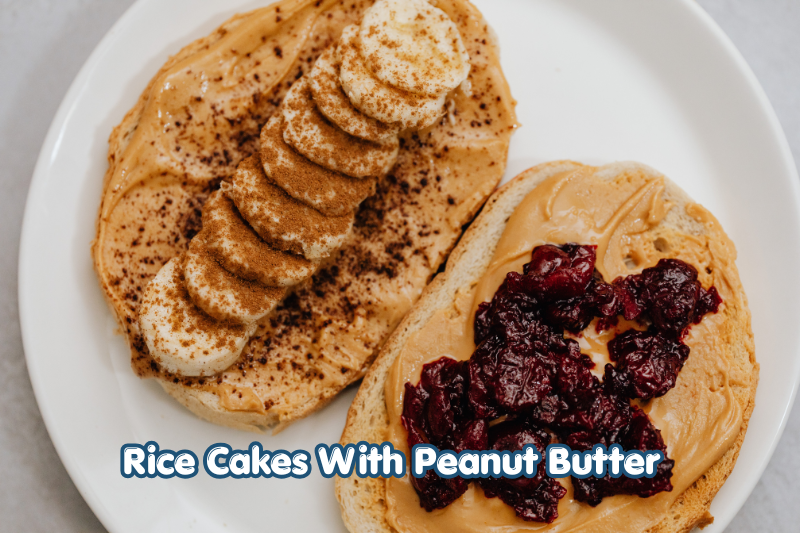
Rice cakes provide a crisp base for a variety of plant-based toppings.
Spread peanut butter over plain rice cakes and add banana slices, cinnamon, or a few crushed nuts. For a savory variation, use hummus, avocado, or sliced cucumber.
Rice cakes are convenient, but they may not be very filling on their own. Pairing them with protein- or fat-containing toppings can make the snack more satisfying.
13. Dates Stuffed With Nut Butter
Dates have a naturally sweet flavor and a soft, chewy texture.
Remove the pits, fill each date with a small amount of peanut or almond butter, and add crushed pistachios if desired.
This snack requires no cooking and can be prepared in just a few minutes.
Because dates and nut butter both provide concentrated energy, start with one or two stuffed dates and adjust the portion according to your needs.
14. Cucumber and Avocado Bites
Cucumber and avocado make a refreshing combination for anyone who prefers savory snacks.
Cut cucumber into thick slices, top each piece with mashed avocado, and season with lemon juice, black pepper, and fresh herbs.
These bites are easy to serve at gatherings or enjoy during warm weather.
For a more filling version, add a small spoonful of mashed chickpeas to each cucumber slice.
15. Vegan Smoothies
A smoothie is a convenient option when you want a snack that is easy to drink.
Blend a banana with berries, unsweetened soy milk, and a spoonful of peanut butter. You can also add oats, chia seeds, or spinach.
Soy milk generally provides more protein than many almond or rice milk products, although nutrition varies by brand.
If you want a smoothie to keep you satisfied longer, combine fruit with a protein-containing ingredient rather than relying on fruit juice alone.
16. Baked Sweet Potato Fries
Sweet potato fries offer a warm, savory snack with a naturally sweet flavor.
Cut a sweet potato into thin strips, toss with a small amount of olive oil and paprika, and bake at approximately 220°C (425°F) until tender and lightly browned.
Serve with homemade tomato salsa or a vegan yogurt dip.
For a crispier result, spread the fries in a single layer and avoid overcrowding the baking tray.
17. Trail Mix With Seeds and Dried Fruit
Trail mix is ideal for travel, outdoor activities, and busy schedules because it is easy to carry.
Combine pumpkin seeds, sunflower seeds, almonds, raisins, and unsweetened dried cranberries. You can also add a small amount of vegan dark chocolate.
Use ingredients without honey coatings or dairy-based chocolate pieces.
Make individual portions in reusable containers so the mixture is ready whenever you need a quick snack.
18. Whole-Grain Crackers With Bean Dip
Whole-grain crackers served with bean dip provide a savory combination of carbohydrates, fiber, and plant-based nutrients.
Blend cooked white beans with lemon juice, garlic, olive oil, and herbs until smooth. Serve the dip with crackers or sliced vegetables.
You can also use black beans, kidney beans, or lentils to create different flavors.
Check packaged crackers for milk powder, cheese, or other non-vegan ingredients.
19. Vegan Chia Pudding
Chia pudding is prepared by soaking chia seeds in plant-based milk until the mixture thickens.
Mix about two tablespoons of chia seeds with half a cup of soy, almond, or oat milk. Stir well, refrigerate for several hours or overnight, and top with fruit before serving.
The seeds absorb liquid and develop a gel-like texture. Chia seeds also provide fiber and plant-based omega-3 fatty acids.
For a sweeter pudding, add mashed banana or a small amount of maple syrup.
20. Roasted Pumpkin Seeds
Pumpkin seeds are a convenient savory snack that provides protein, unsaturated fats, and minerals such as magnesium.
Toss cleaned pumpkin seeds with a little olive oil, paprika, and black pepper. Roast at approximately 175°C (350°F), stirring occasionally until lightly toasted.
Let them cool before eating or storing.
You can also use plain pumpkin seeds as a topping for dairy-free yogurt, salads, and oatmeal.
21. Vegan Mini Sandwiches
Mini sandwiches are useful when a small snack needs to be more substantial.
Use whole-grain bread, hummus, cucumber, tomato, lettuce, and mashed chickpeas. Cut the sandwiches into small pieces for easy serving.
Other fillings include avocado, seasoned beans, grilled vegetables, and dairy-free spreads.
For packed lunches, keep perishable ingredients refrigerated and use an insulated lunch bag when necessary.
22. Frozen Banana Bites
Frozen banana bites are a simple alternative to ice cream when you want a cold, sweet treat.
Slice a banana into rounds, spread a little peanut butter between two slices, and freeze until firm. You can dip the bites in melted vegan dark chocolate before freezing them again.
Store them in a covered freezer-safe container.
Allow the bites to soften briefly before eating if they become too hard straight from the freezer.
23. Savory Roasted Makhana
Makhana, also known as fox nuts or popped lotus seeds, is a popular snack in South Asian households.
To prepare it, dry-roast makhana in a pan over low to medium heat, stirring regularly until crisp. Add a little oil, black pepper, cumin, or chili powder.
Makhana is naturally plant-based when prepared without animal-derived ingredients. Its nutritional value depends on the serving size and preparation method, so avoid assuming that every seasoned packaged variety is low in calories or sodium.
24. Vegetable Spring Rolls
Fresh vegetable spring rolls are a colorful option for anyone who enjoys crisp vegetables and light dipping sauces.
Fill rice paper wrappers with shredded carrots, cucumber, lettuce, bell peppers, and herbs. Add tofu or cooked edamame for extra protein.
Serve with a dipping sauce made from soy sauce, lime juice, and a little sesame oil.
Check the ingredients in store-bought wrappers and sauces if you follow a strict vegan diet.
25. Homemade Vegan Muffins
Small vegan muffins can be prepared ahead of time for breakfast or an afternoon snack.
Use flour, baking powder, plant-based milk, oil, and mashed banana or applesauce in place of eggs where appropriate. Add blueberries, cinnamon, or grated apple for flavor.
Recipes vary, so use one designed specifically for vegan baking to achieve a reliable texture.
Homemade muffins can be portioned and frozen, making them convenient for busy mornings.
How to Choose Healthy Vegan Snacks
Healthy vegan snacks can provide energy, fiber, protein, vitamins, and minerals. The best choice depends on your overall diet, portion size, and individual nutritional needs.
Rather than focusing on a single ingredient, consider how the snack fits into your daily eating pattern.
Combine Protein, Fiber, and Healthy Fats
A snack containing more than one type of nutrient may help you feel satisfied for longer than a snack made mainly from refined carbohydrates.
Try these combinations:
- Apple slices with peanut butter
- Hummus with whole-grain crackers
- Soy yogurt with berries and chia seeds
- Roasted chickpeas with cucumber
- Whole-grain toast with mashed beans
- Edamame with a small serving of fruit
You do not need every snack to contain all three nutrients. Variety across the day is more important than following a rigid formula.
Check Packaged Snack Ingredients
Packaged vegan snacks are convenient, but products vary in nutritional quality.
When comparing options, consider:
- Added sugar: Check for syrups, sweeteners, and sugar added during processing.
- Sodium: Compare labels if you are trying to reduce salt intake.
- Protein: Look for beans, soy, nuts, seeds, or other protein-containing ingredients.
- Fiber: Whole grains, legumes, fruits, and seeds can contribute fiber.
- Allergens: Check for peanuts, tree nuts, soy, wheat, and other relevant allergens.
- Animal-derived ingredients: Look for milk, whey, casein, eggs, gelatin, and honey.
A product can be vegan without being especially nutritious. For example, vegan candy and many vegan cookies may contain considerable added sugar.
Match Snacks to Your Activity Level
Your preferred snack may change depending on what you are doing.
Before exercise, a banana, toast, or a small serving of oatmeal can provide carbohydrates. After exercise, a snack containing protein and carbohydrates, such as soy yogurt with fruit or hummus with whole-grain crackers, can help replenish energy and support recovery.
For desk work or travel, choose portable options such as nuts, roasted chickpeas, or homemade energy balls.
Easy Vegan Snacks for Different Needs
Different situations call for different snacks. Here are practical options based on common preferences.
| Your need | Vegan snack ideas | Why they may work |
|---|---|---|
| Quick preparation | Banana, apple, nuts | Little or no preparation |
| More plant-based protein | Edamame, roasted chickpeas, soy yogurt | Provides protein from plant sources |
| Sweet cravings | Dates, fruit, vegan dark chocolate | Offers naturally sweet or dessert-style flavors |
| Crunchy texture | Popcorn, roasted seeds, makhana | Provides a crisp alternative to many fried snacks |
| Work or travel | Trail mix, energy balls, crackers | Easy to portion and carry |
| Refreshing snack | Cucumber bites, fruit, smoothies | Offers fresh flavors and varied textures |
| Warm snack | Sweet potato fries, roasted chickpeas | Can be prepared in advance and reheated when appropriate |
These are general suggestions rather than strict nutritional rankings. Portion sizes, ingredients, and preparation methods affect the final nutritional value.
How to Prepare Vegan Snacks for the Week
Planning snacks in advance can reduce food waste and make it easier to choose suitable options when hunger strikes.
Step 1: Choose a Few Different Snacks
Select three or four options with different flavors and textures. For example, prepare roasted chickpeas, cut vegetables, fruit portions, and homemade energy balls.
This gives you variety without requiring a large amount of cooking.
Step 2: Prepare Ingredients in Batches
Wash and cut vegetables, portion nuts and seeds, and prepare dips such as hummus.
Roast chickpeas or pumpkin seeds in larger batches if you have enough oven space. Allow cooked foods to cool appropriately before refrigerating them in clean containers.
Step 3: Store Food Safely
Keep cut fruit, vegetables, hummus, dairy-free yogurt, and other perishable snacks refrigerated. Use airtight containers and follow the storage instructions for individual ingredients.
Do not leave perishable foods at room temperature for extended periods. As a general food-safety guideline, refrigerate perishable foods within two hours, or within one hour when temperatures exceed 32°C (90°F).
Step 4: Portion Snacks for Convenience
Divide trail mix, nuts, and other snacks into individual containers. This makes them easier to take to work or school and helps you serve a suitable amount without repeatedly opening a large package.
Step 5: Rotate Your Ingredients
Use different fruits, vegetables, legumes, and seasonings throughout the week. Rotating ingredients can make your snacks more interesting and help you enjoy a wider variety of plant foods.
Common Mistakes to Avoid When Choosing Vegan Snacks
Even simple snacks can become less suitable for your needs when ingredients or storage are overlooked.
Assuming every vegan snack is healthy: Vegan labeling tells you about ingredients, not necessarily the amount of sugar, salt, or saturated fat. Read the nutrition information.
Ignoring protein: If you regularly feel hungry soon after snacking, consider adding beans, soy foods, nuts, or seeds where appropriate.
Eating the same foods every day: Repeating a favorite snack is fine, but variety helps you obtain different nutrients and flavors.
Forgetting about allergies: Vegan foods can still contain common allergens. Check labels and avoid cross-contact when preparing food for someone with an allergy.
Storing homemade snacks incorrectly: Refrigerate perishable ingredients and follow appropriate storage guidance. Do not assume that a homemade snack is shelf-stable simply because it contains plant ingredients.
Using expensive specialty products unnecessarily: Many easy vegan snacks can be prepared from affordable everyday foods, including seasonal fruit, lentils, chickpeas, oats, and locally available vegetables.
Frequently Asked Questions
1. What are the best vegan snacks for beginners?
Good beginner options include fresh fruit, roasted chickpeas, hummus with vegetables, popcorn, peanut butter toast, and mixed nuts. These foods are easy to find and require little preparation. Start with familiar ingredients, then experiment with homemade energy balls, chia pudding, and plant-based yogurt to discover which flavors and textures you enjoy.
2. Which vegan snacks are high in protein?
Edamame, roasted chickpeas, soy yogurt, nuts, seeds, hummus, and snacks made with tofu can contribute plant-based protein. The exact amount depends on the ingredient and portion size. For a more substantial snack, combine a protein source with fruit, vegetables, or whole grains rather than relying on a small amount of one ingredient.
3. Are vegan snacks suitable for weight management?
Vegan snacks can fit into a weight-management plan, but being vegan does not automatically make a food low in calories. Fruits, vegetables, and appropriately portioned protein-rich foods can be useful choices. Nuts, nut butters, dried fruit, and energy balls are nutritious options too, although their energy content can add up quickly.
4. What vegan snacks can I take to work or school?
Portable choices include apples, bananas, portioned nuts, roasted chickpeas, trail mix, homemade oat balls, and suitable whole-grain crackers. Hummus, yogurt, sandwiches, and cut vegetables are also practical when you have access to refrigeration. Use an insulated lunch bag with a cold pack for perishable foods when needed.
5. How can I make sure packaged snacks are vegan?
Read the ingredient list and look for animal-derived ingredients such as milk, whey, casein, eggs, gelatin, and honey. When ingredient names are unfamiliar, check the manufacturer’s product information. A vegan certification or reliable vegan labeling can make shopping easier, but also consider allergens and nutrition information to find a product that suits your needs.
Conclusion
Vegan snacks offer plenty of choices for anyone who wants convenient, flavorful, plant-based food between meals. Fresh fruit, hummus, roasted chickpeas, nuts, energy balls, smoothies, and homemade savory bites can all fit into a varied eating pattern.
The most practical approach is to choose snacks based on your hunger, activity level, taste preferences, and nutritional needs. Combine different plant foods, check packaged ingredients, and prepare a few options ahead of time to make everyday snacking easier.
