
The Hidden Cost of Ignoring Power Infrastructure in Garden Design
A rooftop or community garden that fails without a reliable power source for irrigation timers, greenhouse heating, or lighting systems doesn’t just lose a season of plants. It loses the trust of the volunteers and families who invested their weekends into building it. Across Trichy and other growing cities, green spaces are increasingly tied to small-scale electrical systems that keep pumps running and sensors reporting soil moisture levels. When those systems fail because nobody planned for consistent energy, the garden fails with them.
This matters more now because urban gardening projects are no longer simple hobby plots. Many incorporate drip irrigation controllers, solar-powered water pumps, and even climate sensors that need steady electricity to function through monsoon season and summer heat alike. A garden built without a clear energy strategy is a garden built on borrowed time. The people who maintain these spaces often discover the gap only after a pump fails during a critical dry spell, and by then the damage to root systems or seedlings is already done.
The fix isn’t complicated, but it requires treating power supply as a design question from day one rather than an afterthought bolted on later. Garden committees that map out their electrical needs alongside their planting schedules tend to avoid the scramble that comes from reactive fixes. This kind of forward planning is cheap compared to replacing a season’s worth of crops or repairing water-damaged wiring after a storm. Even a modest written plan, shared among the people responsible for watering schedules and equipment maintenance, reduces the odds that a single failed component derails months of work.
Matching Energy Sources to the Realities of Local Climate
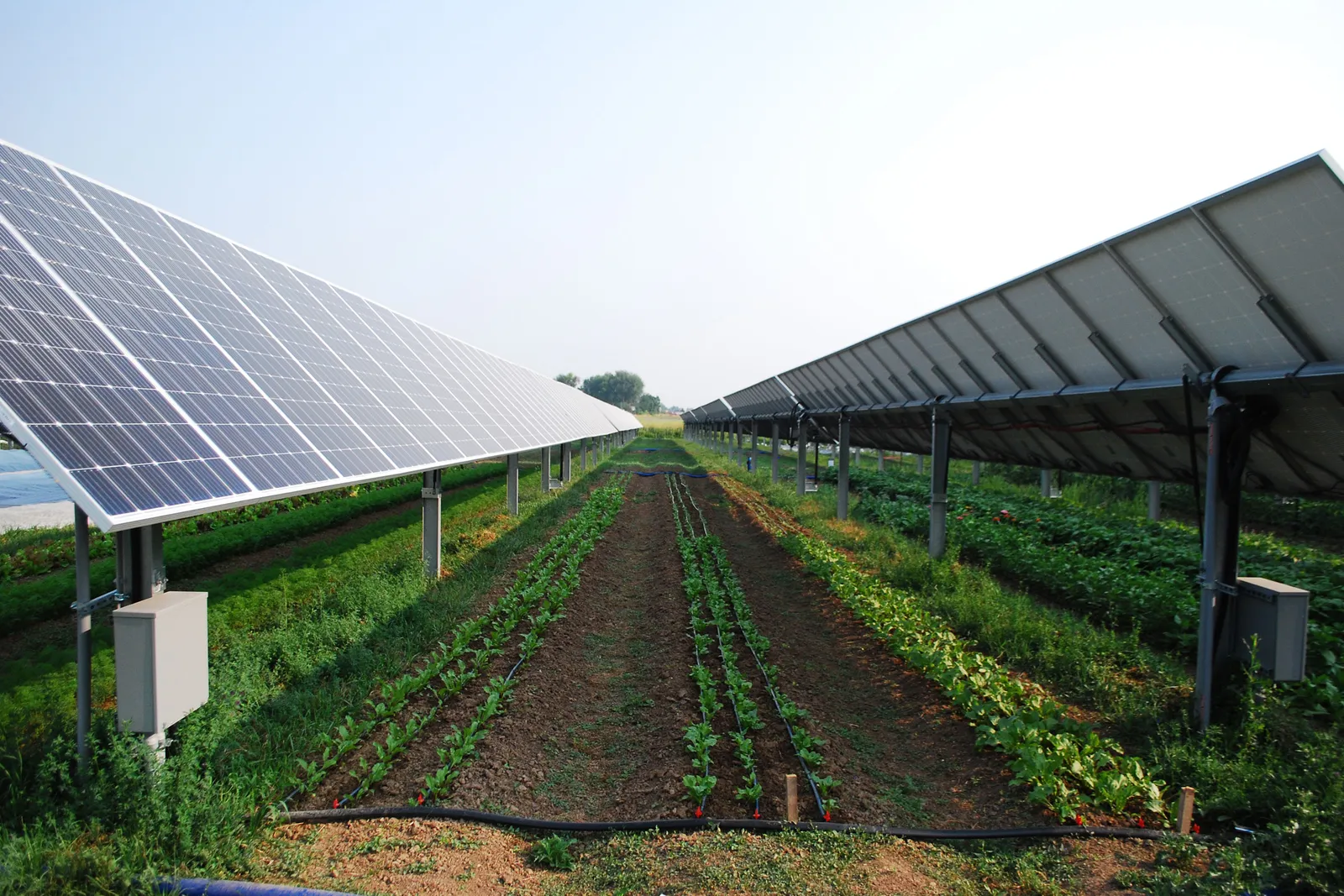
Solar remains the most practical choice for most garden and rooftop projects because it avoids the complications of running permanent grid lines to spaces that were never built with electrical access in mind. The quality of the panels and the inverter system, though, makes a bigger difference than most garden planners expect. A cheap panel that degrades after two monsoon seasons creates more disruption than no panel at all, since the garden’s irrigation schedule becomes dependent on equipment that can’t be trusted. Anyone sourcing panels for a garden project, a community center, or a home setup benefits from looking at how manufacturers perform under real-world conditions rather than marketing claims alone.
A detailed comparison of best solar panel brands in California offers a useful reference point, since that state’s mix of heat, dust, and coastal humidity mirrors many of the stressors that panels face in tropical and subtropical garden settings. Reading through how different brands hold up under sustained testing gives garden committees a starting point that’s grounded in data rather than guesswork, which matters when a bad purchase means replacing equipment mid-season. Climate comparisons like this also help committees budget realistically, since panels rated for milder conditions often need earlier replacement when installed somewhere hotter and more humid. Research on building materials and environmental exposure, including work compiled through NIST building and construction research, backs up the idea that component durability under humidity and heat cycling should guide equipment selection, not just upfront price.
Beyond panel selection, the layout of a rooftop garden affects how much usable sunlight the system actually receives. Taller plant beds, trellises, and shade structures can unintentionally block panels positioned without consulting the planting plan first. Coordinating the garden layout with the solar array placement avoids this conflict, and it’s a conversation that’s far easier to have before installation than after. Gardens that treat these two systems as connected rather than separate tend to run with fewer surprises once the growing season is underway, and the committees behind them spend less time troubleshooting and more time actually growing food.
