
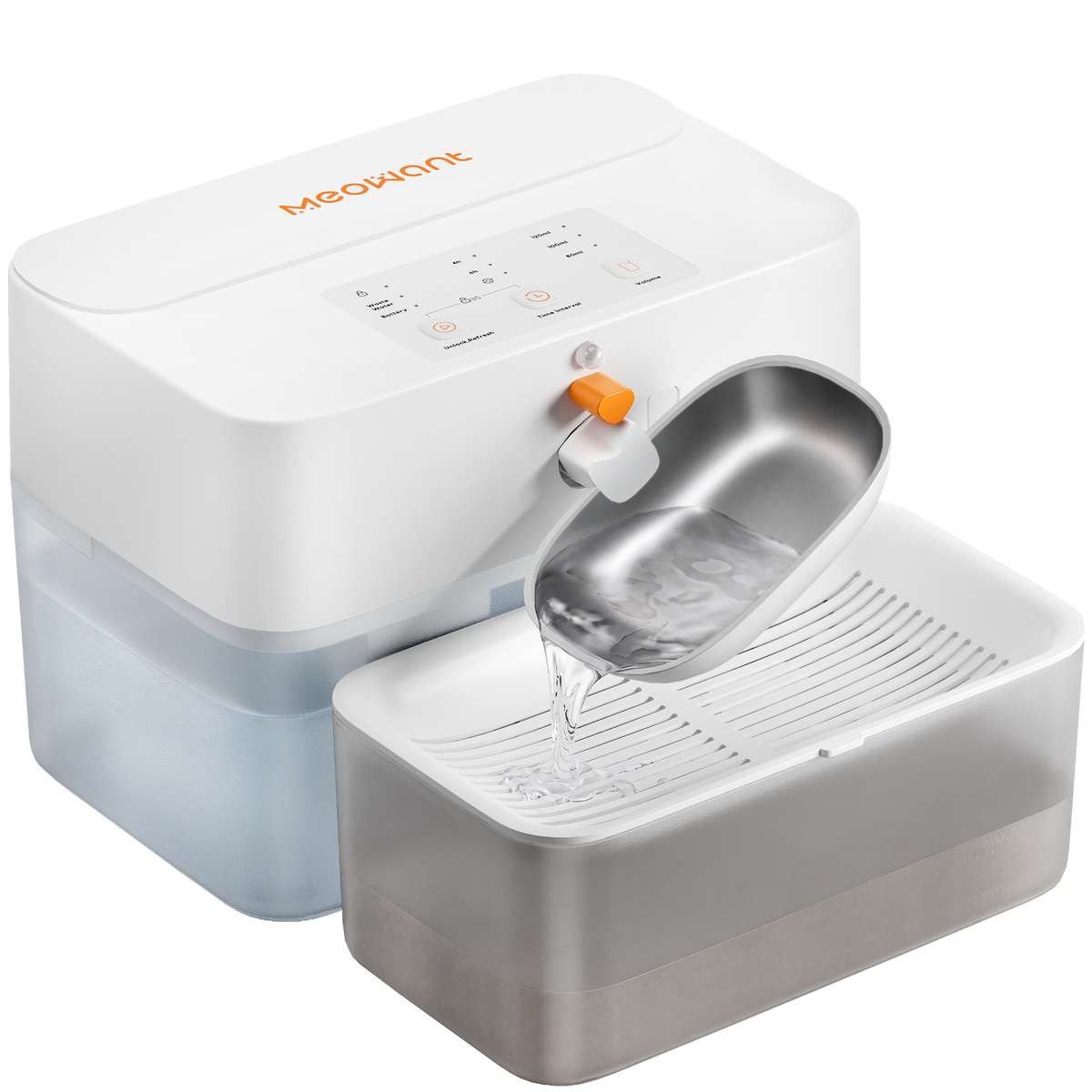
Vets repeat the same advice constantly: cats need more water. Yet many owners fill a bowl, watch it sit untouched, and conclude their cat simply does not drink much. What that bowl often misses is the behavior cats evolved with. Wild cats are drawn to moving water because still water in nature is frequently stagnant and unsafe, while a stream or drip signals freshness. A pet water fountain works with that instinct rather than against it, turning a static bowl into something a cat wants to investigate.
The result is usually more frequent sipping, which matters for kidney and urinary health, especially in older cats. This guide explains the behavioral reasons behind the fountain’s appeal, what to consider before buying, and how to keep one running clean so the habit sticks.
The Instinct Behind Moving Water
Cats are descended from desert hunters, and their bodies are efficient at conserving water. That efficiency is also why they are prone to dehydration when they eat dry food and drink sparingly. The instinct to seek moving water is a survival mechanism: a cat that avoids puddles and stagnant bowls is less likely to encounter contaminated water. Modern fountains tap into the same wiring.
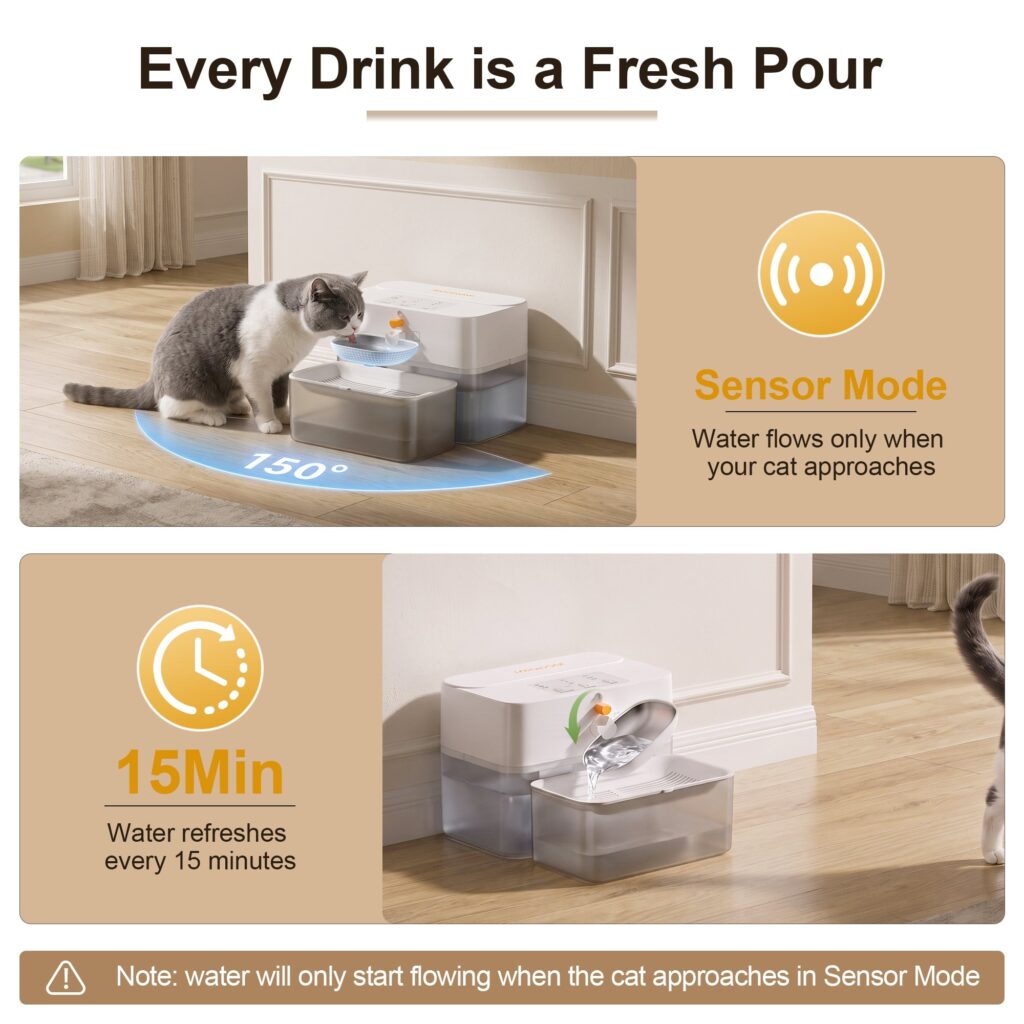
Movement is only part of the appeal. Sound and surface texture matter too. A gentle trickle attracts attention across a room, and a rippling surface catches light in a way that a flat bowl never does. Many cats will ignore a bowl for days and then drink eagerly from a faucet, not because the water is better, but because the motion tells them it is fresh. A pet water fountain recreates that signal in a stable, predictable place, so the cat gets the cue without waiting for a human to turn on a tap.
There is also a social component. Cats often drink shortly after eating or after their owner moves through the room. A fountain placed where the household naturally passes by gets more visits than a bowl tucked into a corner, simply because it is part of the daily rhythm.
Why Hydration Deserves Attention
Water intake affects more than thirst. Cats with low intake are more vulnerable to urinary crystals, bladder inflammation, and kidney strain, all of which become more common with age. Many of these conditions develop quietly, and owners only notice when a cat starts visiting the box more often or straining to urinate.
Dry food is a major contributor. A cat eating only kibble may take in half the water of a cat on wet food, and that gap has to be closed somewhere. Fountains help by making drinking more appealing, which nudges intake upward without forcing a diet change. Combined with wet food and multiple water stations around the home, a fountain becomes part of a broader hydration strategy rather than a standalone fix.
It is worth watching how much your cat actually drinks. Fill the fountain to a marked level and check it each morning. If intake is very low or changes suddenly, a veterinary visit is the right next step, since behavior alone cannot rule out a medical cause.
Choosing a Fountain That Fits Your Home
Fountains vary widely in noise, capacity, and cleaning difficulty. The right choice depends on how many pets you have and how much maintenance you can realistically keep up with.
Noise Level and Pump Quality
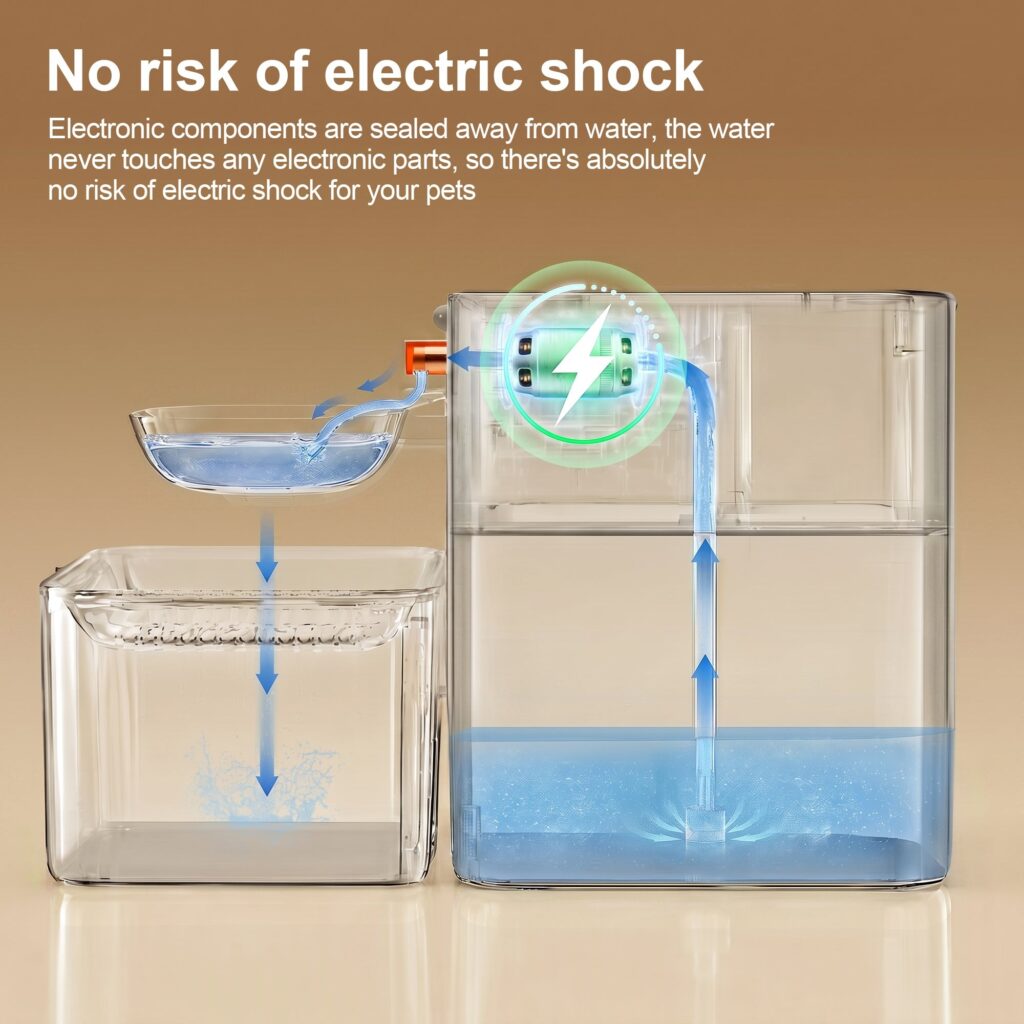
A loud pump defeats the purpose. Cats are sensitive to unfamiliar sound, and a humming motor can keep a nervous cat away entirely. Look for designs described as quiet or near-silent, and read owner reviews specifically about noise at night, since that is when a cheap pump becomes obvious. A good pump also maintains steady flow as the filter loads up, rather than weakening after a few weeks.
Capacity and Material
Larger reservoirs mean fewer refills and less risk of the pump running dry during a busy week. Stainless steel and ceramic basins resist scratches and bacterial buildup better than plastic, and they are easier to sanitize. In a multi-cat home, capacity matters more than any other feature, because a small fountain empties quickly and the pump can run dry, which shortens its life.
Filter Design and Cleaning Access
Every fountain needs filter changes, and the easier that process is, the more likely it happens on schedule. Look for a reservoir that opens without tools, a pump that lifts out easily, and filters that are simple to source. Disassembly should take under a minute, because fountains that are hard to clean are fountains that get neglected.
Keeping the Fountain Clean and Appealing
A dirty fountain does more harm than good. Slime on the basin walls and a clogged filter can make water taste off, and cats will abandon it quickly. Rinse the basin every few days, do a full disassembly and wash weekly, and replace filters according to the manufacturer’s schedule rather than waiting for flow to slow.
Pay attention to the pump. Hair and debris collect in the intake, and a partially blocked pump runs hotter and louder. Check it during each weekly clean and clear the impeller area. In hard-water areas, mineral deposits build up on the pump and basin, so a periodic soak in a pet-safe descaler keeps performance steady. Replace carbon filters on time, since a spent filter stops removing odors and the water begins to smell stale even when it looks clear.
Placement also shapes use. Keep the fountain away from the food bowl, since cats prefer to drink at a distance from where they eat, and away from litter boxes and noisy appliances. A spot with an outlet nearby but out of the main walkway usually works best. Meowant designs its fountains around quiet operation and simple cleaning, which are the two qualities that keep a cat coming back day after day.
Common Problems and Quick Fixes
Most fountain issues are maintenance rather than manufacturing defects. If a cat suddenly stops using the fountain, check the water level first, then listen for a change in pump noise. A gurgling or grinding sound usually means low water or a blocked intake. Reduced flow often points to a clogged filter, and a fountain that smells off needs a full wash and a new filter.
If a cat never takes to the fountain, try running it without the filter for a day so the flow is stronger, or place it beside the old bowl so the cat can approach at its own pace. Some cats prefer a slow trickle to a cascade, and adjusting the flow rate is often enough to win them over. Give the transition a week before deciding the fountain is not working.
When a Fountain Is the Wrong Choice
Fountains are not right for every household. Cats with a history of urinary blockages need close monitoring, and a fountain makes it harder to measure exactly how much they drink. Homes without a convenient outlet may find the cord a nuisance. And some cats are simply indifferent to moving water, preferring a wide ceramic bowl they can see the surface of. In those cases, multiple clean bowls refreshed twice a day achieve the same goal.
The fountain is a tool, not a cure. It works best when paired with wet food, several water stations, and a watchful eye on litter box habits. Used that way, it becomes one of the simplest upgrades to a cat’s daily health routine.
Building a Hydration Routine Around the Fountain
A fountain encourages drinking, but it works best as one part of a deliberate routine. Feed wet food at least once a day if your cat accepts it, since moisture in food counts toward total intake and is often the most efficient way to raise it. Add a second water source in a different room so a cat does not have to cross the house for a drink, and refresh still bowls twice daily to keep them appealing.
Watch the litter box as an indirect measure of hydration. A cat producing small, hard stools or visiting the box less often may be taking in too little water, and a fountain alone will not fix that. Place water away from the litter box and food, since cats are naturally reluctant to drink near either. If you have multiple cats, provide more than one fountain or bowl so a dominant cat cannot guard the only source.
Seasonal changes matter too. Many cats drink less in winter, when the air is dry and activity drops, and more in summer. Adjust your refill checks accordingly, and note that a fountain running low in a dry room is a common reason cats abandon it. A quick daily glance at the water level is the simplest habit that keeps the routine working.
Small Change, Steady Hydration
Cats drink more when water moves, and the reason is instinct rather than preference. A fountain turns a passive bowl into an active cue, and that cue can meaningfully raise intake for cats on dry food or prone to urinary issues. The benefit is quiet but cumulative, showing up in healthier habits over months rather than days.
Choose a fountain that runs quietly, holds enough water for your household, and comes apart easily for cleaning. Keep up with weekly washes and filter changes, place it where your cat naturally passes, and give the transition time. Do those things, and the fountain becomes a reliable part of a hydration routine that supports your cat’s health for years.
