
International trade can feel complicated when you first enter it. Buyers and sellers are often located in different countries, dealing with different laws, currencies, and levels of trust. One of the biggest challenges in global trade is payment security. Buyers want to make sure they receive their goods before paying, while sellers want to ensure they get paid before shipping valuable products.
This is where a Letter of Credit becomes one of the most important financial instruments in international trade.
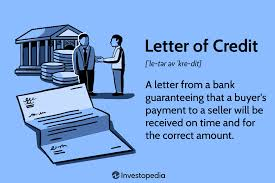
A Letter of Credit, often abbreviated as LC, is a formal document issued by a bank that guarantees payment to a seller on behalf of a buyer, provided that certain agreed conditions are met. It acts as a bridge of trust between two parties who may have never worked together before.
In many international business setups, especially when companies are newly registered or expanding globally, documentation such as the NNC1 Form becomes part of establishing legal identity and credibility during incorporation in jurisdictions like Hong Kong. This formal structure often supports smoother trade relationships where instruments like Letters of Credit are used.
This guide explains what a Letter of Credit is, how it works, why it is used, and how businesses can benefit from it in international trade.
Understanding the Basic Concept of a Letter of Credit
A Letter of Credit is essentially a promise from a bank.
Instead of the buyer paying the seller directly, the buyer’s bank guarantees that the seller will receive payment once specific conditions are fulfilled.
These conditions usually include providing proof that goods have been shipped, meeting quality requirements, and submitting correct shipping documents.
The bank acts as a neutral third party, reducing risk for both sides.
This system is widely used in global trade where trust between buyer and seller is not yet established.
Why Letters of Credit Are Important in International Trade
International trade involves high levels of risk. Buyers may worry about receiving defective goods or no goods at all. Sellers may worry about non-payment after shipping expensive products.
A Letter of Credit solves this trust problem.
It ensures that payment is only released when both parties meet agreed conditions.
This reduces uncertainty and encourages businesses to trade across borders with confidence.
For companies operating internationally, especially those structured through formal incorporation processes such as filing the NNC1 Form in Hong Kong, Letters of Credit provide an added layer of financial security and professionalism in trade transactions.
The Key Parties Involved in a Letter of Credit
There are usually four main parties involved in a Letter of Credit transaction.
The buyer is the importer who requests the LC from their bank.
The seller is the exporter who will receive payment once conditions are met.
The issuing bank is the buyer’s bank that creates the Letter of Credit.
The advising bank is usually the seller’s bank that verifies and forwards the LC.
Each party plays a specific role in ensuring the transaction is secure and properly executed.
How a Letter of Credit Works Step by Step
The process of a Letter of Credit follows a structured sequence.
First, the buyer and seller agree on the terms of trade, including price, quantity, and delivery conditions.
Next, the buyer requests their bank to issue a Letter of Credit in favor of the seller.
The issuing bank evaluates the buyer’s creditworthiness before approving the LC.
Once approved, the LC is sent to the seller’s bank for verification.
The seller then ships the goods and prepares the required documents such as the bill of lading, invoice, and inspection certificates.
These documents are submitted to the bank.
If everything matches the conditions specified in the LC, the bank releases payment to the seller.
Finally, the buyer receives the goods and completes repayment to their bank according to the agreed terms.
This structured process ensures that both parties fulfill their obligations before money is exchanged.
Different Types of Letters of Credit
There are several types of Letters of Credit used in international trade depending on the level of risk and trust between parties.
A revocable Letter of Credit can be modified or canceled by the issuing bank without prior notice to the seller, although this type is rarely used due to its risk.
An irrevocable Letter of Credit cannot be changed without agreement from all parties involved, making it more secure and commonly used.
A confirmed Letter of Credit includes a second bank guarantee, adding an extra layer of security for the seller.
A standby Letter of Credit acts as a backup payment method and is used if the buyer fails to fulfill their obligations.
Each type serves a different purpose depending on the nature of the transaction.
Advantages of Using a Letter of Credit
One of the main advantages of a Letter of Credit is risk reduction.
Sellers are protected against non-payment, while buyers are protected against non-delivery or incorrect shipments.
It also improves trust between international trading partners who have no prior relationship.
Letters of Credit also help businesses expand into new markets without requiring upfront trust.
In many cases, banks require formal documentation and business registration details before issuing an LC. Companies that have completed structured incorporation processes, including submitting the NNC1 Form in Hong Kong, are often better positioned to access these financial instruments due to improved credibility and compliance records.
Disadvantages and Limitations of Letters of Credit
Despite their advantages, Letters of Credit are not perfect.
They can be expensive due to bank fees and processing charges.
The documentation process is also complex and time-consuming.
Even small errors in paperwork can lead to delays or rejection of payment.
Additionally, Letters of Credit require strong banking relationships and credit approval, which may not be accessible to all small businesses.
Because of this, many smaller traders prefer simpler payment methods, although they come with higher risk.
Common Documents Required in a Letter of Credit
A Letter of Credit transaction requires several key documents.
These usually include the commercial invoice, bill of lading, packing list, insurance certificate, and inspection certificates.
Each document must match the terms outlined in the Letter of Credit exactly.
Banks do not interpret intent; they only verify documentation accuracy.
Even minor discrepancies can delay or prevent payment.
This strict requirement ensures discipline and reduces fraud in international trade.
Risks Associated With Letters of Credit
Although Letters of Credit reduce risk, they do not eliminate it completely.
One common risk is documentation errors, which can lead to payment delays.
Another risk is misunderstanding of terms between buyer and seller, resulting in disputes.
There is also bank-related risk, where delays in processing can affect shipment timelines.
However, these risks are generally lower compared to open credit or advance payment methods.
Proper understanding and careful preparation significantly reduce these issues.
Real-World Use of Letters of Credit in Business
Letters of Credit are widely used in industries such as manufacturing, commodities trading, textiles, and machinery exports.
They are especially common in large international transactions where payment amounts are significant.
Businesses use them to build trust and expand into new markets safely.
For companies involved in global trade, especially those operating under formal structures established through processes like submitting the NNC1 Form in Hong Kong, Letters of Credit are a standard part of professional financial operations.
They allow businesses to trade confidently across borders while minimizing financial exposure.
How Businesses Can Get a Letter of Credit
To obtain a Letter of Credit, a buyer must approach their bank and request issuance.
The bank will evaluate the buyer’s financial standing, credit history, and transaction details.
If approved, the bank sets aside funds or credit limits to guarantee payment.
The buyer then pays fees for issuing and maintaining the LC.
Once issued, the LC becomes a legally binding document that governs the transaction.
Businesses with proper registration and compliance documentation are more likely to be approved, especially those that have completed formal incorporation procedures like submitting the NNC1 Form in Hong Kong, which helps establish legal business identity.
Conclusion
A Letter of Credit is one of the most important tools in international trade. It creates trust between buyers and sellers by ensuring that payment is only made when agreed conditions are met.
While it involves complex documentation and banking procedures, it significantly reduces financial risk for both parties.
For businesses expanding globally, understanding how Letters of Credit work is essential for safe and successful trading.
When combined with proper business structure, including formal registration processes such as the NNC1 Form in Hong Kong, companies can operate more securely and professionally in international markets.
Ultimately, Letters of Credit are not just financial instruments. They are trust-building tools that enable global commerce to function smoothly.
FAQs
What is a Letter of Credit
A Letter of Credit is a bank-issued document that guarantees payment to a seller once specific trade conditions are met.
Who issues a Letter of Credit
A Letter of Credit is issued by the buyer’s bank on behalf of the buyer.
Why is a Letter of Credit used in international trade
It is used to reduce risk and ensure secure payment between buyers and sellers in different countries.
What documents are needed for a Letter of Credit
Common documents include invoices, bills of lading, packing lists, insurance certificates, and inspection reports.
Is a Letter of Credit safe for exporters
Yes, it provides strong payment security as long as all conditions are met correctly.
What are the disadvantages of a Letter of Credit
It can be expensive, time-consuming, and requires strict documentation accuracy.
Can small businesses use Letters of Credit
Yes, but approval depends on bank evaluation and creditworthiness.
How does business registration affect Letters of Credit
Proper registration, including formal incorporation processes like filing the NNC1 Form in Hong Kong, can improve credibility and increase chances of approval from banks.
You should also read: TechAiTech
