
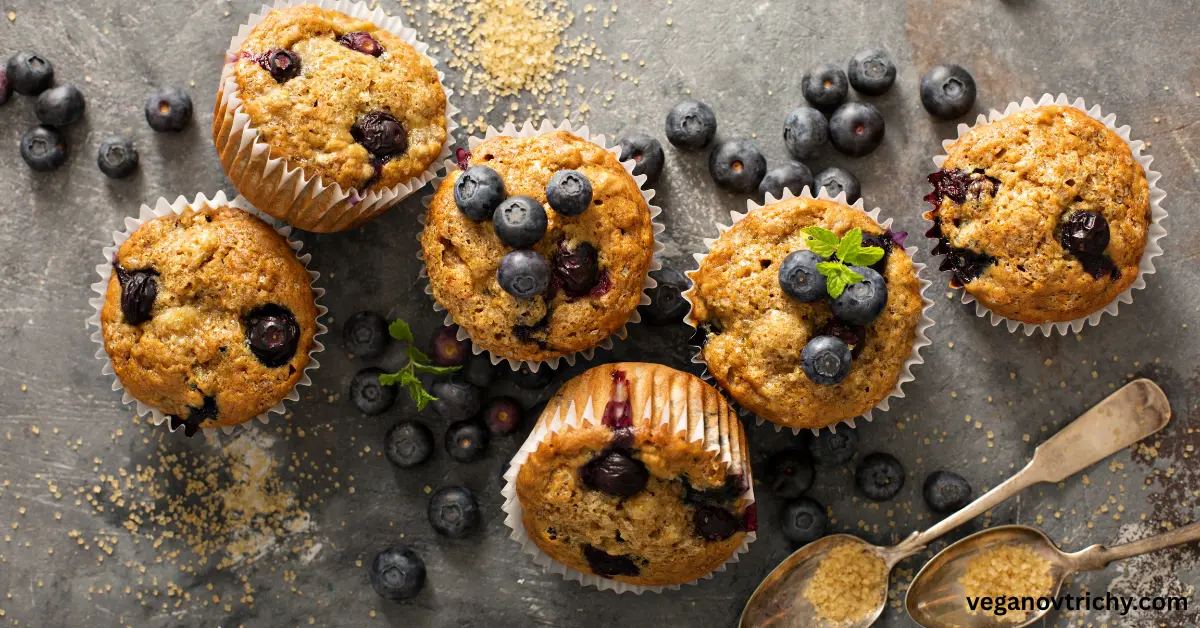
Vegan muffins are proof that you do not need eggs, dairy milk, or butter to make soft, fluffy, moist, and delicious homemade muffins. With a few simple plant-based ingredients and the right baking technique, you can prepare bakery-style muffins that work perfectly for breakfast, snacks, lunchboxes, or dessert.
The best part is flexibility. Once you understand a basic vegan muffin recipe, you can turn it into blueberry muffins, banana muffins, chocolate chip muffins, apple cinnamon muffins, lemon muffins, or many other flavors.
If you are new to vegan baking, don’t worry. Making muffins without eggs and dairy is easier than it might seem.
In this guide, you will learn how to make easy vegan muffins from scratch, which ingredients work best, how to replace eggs and dairy, why muffins sometimes become dense or dry, and how to store and freeze them correctly.
What Are Vegan Muffins?
Vegan muffins are muffins prepared without animal-derived ingredients such as eggs, dairy milk, butter, or other dairy products.
Traditional muffin recipes commonly rely on eggs for binding and structure, milk for moisture, and butter for richness. Vegan baking achieves similar results using plant-based alternatives.
Common vegan replacements include:
- Plant-based milk instead of dairy milk
- Vegetable oil or vegan butter instead of dairy butter
- Flaxseed, applesauce, banana, or other binders instead of eggs
- Dairy-free chocolate chips instead of regular milk chocolate chips
A properly developed vegan muffin should still have the characteristics people expect from a good muffin: a tender crumb, moist center, pleasant flavor, and lightly golden top.
You do not necessarily need unusual ingredients either. A basic batch can be made primarily from flour, sugar, baking powder, plant milk, oil, vanilla, and a small amount of acid.
Easy Vegan Muffins at a Glance
If you simply want to know what you need before getting started, here is the basic idea.
Preparation time: About 10–15 minutes
Baking time: About 18–24 minutes
Total time: Around 35 minutes
Yield: Approximately 12 standard muffins
Difficulty: Beginner-friendly
The basic method is straightforward: combine the dry ingredients, combine the wet ingredients, gently bring them together, add your chosen mix-ins, fill a muffin pan, and bake until the centers are cooked.
The most important rule is not to overmix the batter.
Why This Vegan Muffin Recipe Works
Good vegan baking is not simply about removing eggs and dairy. You need to understand what those ingredients normally contribute and replace their functions appropriately.
This recipe uses a combination of leavening, plant milk, oil, and a small amount of acid to create a tender muffin without requiring eggs.
Plant Milk Provides Moisture
Unsweetened plant-based milk adds the liquid needed to hydrate the flour and create the proper batter consistency.
Soy milk and oat milk are particularly useful for baking, although almond milk and other varieties can also work.
Oil Keeps the Muffins Soft
Oil coats some of the flour proteins and contributes tenderness and moisture. Unlike butter, it remains liquid at room temperature, which can help muffins remain soft after cooling.
Use a neutral-flavored oil when you do not want the flavor of the fat to stand out.
Baking Powder Helps Them Rise
Muffins need reliable leavening.
Baking powder produces gas in the batter during mixing and baking, helping create a lighter texture instead of a heavy, compact muffin.
Acid Can Improve the Batter
A little apple cider vinegar or lemon juice mixed with plant milk creates a simple vegan “buttermilk”-style mixture.
This can complement baking soda when a recipe includes it and can contribute to a tender crumb.
Gentle Mixing Protects the Texture
One of the biggest mistakes in muffin making happens after the ingredients are measured correctly.
Overmixing flour-based batter can encourage excessive gluten development. Instead of tender muffins, you may end up with muffins that feel chewy, tough, or dense.
Mix only until you no longer see large pockets of dry flour.
Ingredients for Easy Vegan Muffins
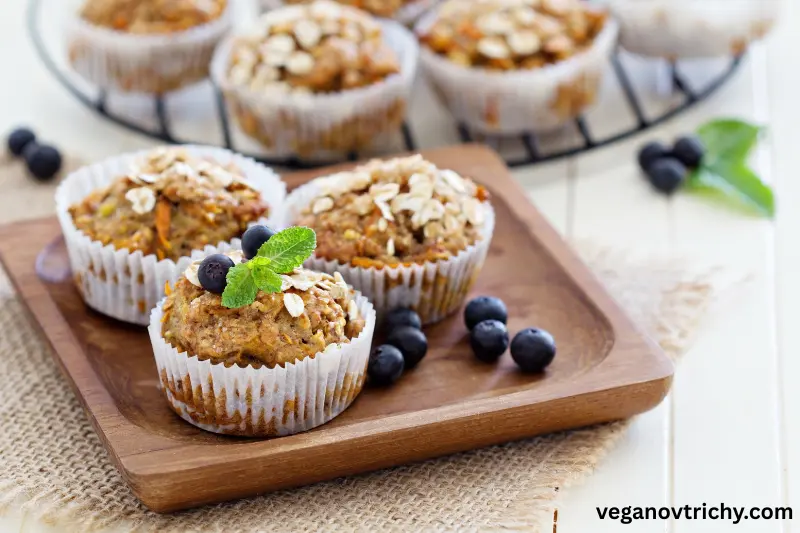
For approximately 12 standard muffins, you will need:
Dry Ingredients
- 2 cups (about 250 g) all-purpose flour
- 3/4 cup (about 150 g) granulated sugar
- 2 teaspoons baking powder
- 1/2 teaspoon baking soda
- 1/2 teaspoon salt
Wet Ingredients
- 1 cup (240 ml) unsweetened plant-based milk
- 1 tablespoon apple cider vinegar or lemon juice
- 1/3 cup (80 ml) neutral vegetable oil
- 2 teaspoons vanilla extract
Optional Mix-Ins
Choose approximately 1 to 1 1/2 cups depending on the ingredient:
- Blueberries
- Raspberries
- Chopped strawberries
- Vegan chocolate chips
- Chopped nuts
- Diced apple
- Dried fruit
Exact results can vary slightly according to the flour, plant milk, oven, muffin pan, and mix-ins you choose.
Choosing the Right Ingredients
The quality and function of individual ingredients can make a noticeable difference in your finished muffins.
Flour
Regular all-purpose flour is the easiest option for classic vegan muffins because it provides enough structure while still allowing a tender crumb.
For the most reliable results, weigh the flour if you have a kitchen scale.
If using cups, spoon the flour into the measuring cup and level it rather than packing it firmly into the cup. Too much flour is a common reason homemade muffins become dry.
Sugar
Regular granulated sugar provides sweetness and contributes to texture and browning.
You can experiment with other sweeteners, but remember that replacing a dry sweetener with a liquid one changes the moisture balance of the entire recipe.
For that reason, maple syrup should not automatically be treated as a direct replacement for granulated sugar in every muffin recipe.
Also check the specific sugar you buy if strict vegan processing standards are important to you.
Plant-Based Milk
Several non-dairy milks can work in muffins.
Good options include:
- Soy milk
- Oat milk
- Almond milk
- Cashew milk
Unsweetened versions give you better control over the overall sweetness.
Soy milk tends to contain more protein than many other plant milks and works particularly well in baking. Oat milk is another convenient choice because of its mild flavor and creamy consistency.
Oil
Choose an oil with a relatively neutral taste.
Canola, sunflower, or another neutral vegetable oil can work well.
Melted coconut oil may also be used in suitable recipes, although it can behave differently as it cools and may contribute some flavor depending on the product.
Vanilla
Vanilla extract does not determine whether your muffins rise, but it greatly improves their overall flavor.
It works especially well in plain, blueberry, banana, and chocolate chip muffins.
Salt
Do not skip salt just because you are baking something sweet.
A small amount balances sweetness and makes the other flavors more noticeable.
How to Make Vegan Muffins Step by Step
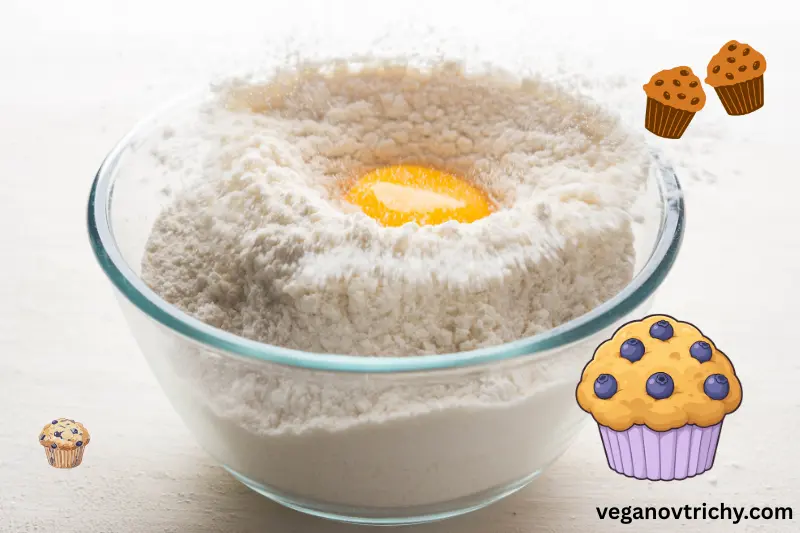
Step 1: Prepare Your Oven and Muffin Pan
Preheat your oven to 375°F (190°C).
Prepare a standard 12-cup muffin pan by lining it with paper liners or lightly greasing the cups.
Starting with a properly preheated oven is important because the leavening agents need consistent heat once the batter goes into the oven.
Step 2: Make Vegan Buttermilk
Combine:
- 1 cup plant-based milk
- 1 tablespoon apple cider vinegar or lemon juice
Stir briefly and leave it for approximately 5–10 minutes while you prepare the remaining ingredients.
Depending on the plant milk, you may notice some slight thickening or curdling. That is fine.
Step 3: Mix the Dry Ingredients
In a large mixing bowl, whisk together:
- Flour
- Sugar
- Baking powder
- Baking soda
- Salt
Whisking distributes the leavening ingredients evenly throughout the flour.
Step 4: Combine the Wet Ingredients
Add the oil and vanilla to your plant milk mixture.
Stir until combined.
Step 5: Combine Wet and Dry Ingredients
Pour the wet mixture into the bowl containing your dry ingredients.
Use a spatula or wooden spoon to fold everything together gently.
Stop when the ingredients are just combined.
A few small lumps are preferable to aggressively mixing the batter until perfectly smooth.
Step 6: Add Your Mix-Ins
Now gently fold in your chosen additions.
For blueberry muffins, add blueberries.
For chocolate chip muffins, add dairy-free chocolate chips.
For apple muffins, add finely diced apple and cinnamon.
Avoid excessive stirring after adding the mix-ins.
Step 7: Fill the Muffin Cups
Divide the batter evenly between the prepared muffin cups.
For larger muffin tops, the cups can be filled relatively generously while still leaving a little space for expansion.
Try to distribute the batter evenly so the muffins bake at approximately the same rate.
Step 8: Bake
Place the pan on the center rack of the preheated oven.
Bake for approximately 18–24 minutes.
Because ovens differ, begin checking toward the earlier end of the range.
Insert a toothpick into the center of a muffin. It should come out clean or with a few moist crumbs rather than wet batter.
Step 9: Cool
Allow the muffins to cool in the pan for approximately 5–10 minutes.
Then carefully transfer them to a wire rack.
Cooling on a rack prevents excess steam from collecting around the bottoms.
7 Secrets for Fluffy Vegan Muffins
The recipe is simple, but technique separates average muffins from excellent ones.
1. Measure Flour Carefully
Adding too much flour makes the batter unnecessarily thick and often produces dry muffins.
A kitchen scale provides the greatest consistency.
2. Do Not Overmix
Once flour becomes wet, gluten begins developing.
Mix only until the dry and wet ingredients come together.
3. Check Your Baking Powder
Old leavening agents can result in disappointing, flat muffins.
If a container has been sitting in your cupboard for a very long time, check its freshness before relying on it for an important batch.
4. Preheat the Oven Completely
Do not put muffins into an oven that is still slowly heating.
The initial baking environment plays an important role in the rise and structure of muffins.
5. Keep the Oven Door Closed Initially
Opening the door repeatedly allows heat to escape.
Wait until the muffins are close to their expected finishing time before checking them.
6. Do Not Overbake
Even a good recipe can become dry when left in the oven too long.
Start checking a few minutes before the maximum suggested baking time.
7. Use the Correct Muffin Pan Size
Standard, mini, and jumbo muffin pans require different baking times.
If you change the pan size, monitor the muffins rather than relying entirely on the original baking time.
Best Vegan Egg Substitutes for Muffins
Not every vegan muffin recipe needs a direct egg substitute. Some recipes are specifically formulated to work without one.
However, when adapting another recipe or developing different flavors, understanding vegan binders is useful.
Flax Egg
A common flax egg is made by mixing ground flaxseed with water and allowing the mixture to thicken.
Flax can provide binding and works especially well in hearty muffins such as:
- Banana
- Oatmeal
- Carrot
- Apple
- Whole-grain muffins
It may add a slight nutty quality.
Chia Egg
Ground chia seeds can be hydrated similarly to flax.
They create a thick mixture that can help bind ingredients.
Mashed Banana
Mashed ripe banana contributes moisture, sweetness, and binding.
It is particularly suitable for:
- Banana muffins
- Chocolate muffins
- Peanut butter muffins
- Blueberry-banana muffins
The important limitation is flavor. Banana is noticeable, so it is not ideal when you want a completely neutral muffin.
Applesauce
Unsweetened applesauce adds moisture and can provide some binding.
It works well in apple, cinnamon, carrot, pumpkin, and other warmly flavored muffins.
Using too much can make baked goods heavy, so recipe balance still matters.
Aquafaba
Aquafaba is the liquid associated with cooked chickpeas. It can provide binding and, in certain baking applications, contribute to a lighter structure.
However, it is not automatically interchangeable with every egg in every recipe.
The best substitute depends on what the egg is doing in the original recipe.
Popular Vegan Muffin Variations
Once you have a reliable base, you can create many flavors.
Vegan Blueberry Muffins
Blueberry is one of the classic muffin flavors.
Fold approximately 1 to 1 1/2 cups of fresh or frozen blueberries into the batter.
If using frozen blueberries, adding them while still frozen can help limit excess bleeding into the batter.
Fold carefully because aggressive stirring can crush the berries.
A little lemon zest also pairs beautifully with blueberry.
Vegan Banana Muffins
For banana muffins, ripe bananas provide natural sweetness, flavor, and moisture.
Use bananas with plenty of brown spots for stronger sweetness and banana flavor.
Banana muffins pair well with:
- Walnuts
- Pecans
- Cinnamon
- Vegan chocolate chips
- Peanut butter
Because banana contributes substantial moisture, do not simply add a large amount to the basic recipe without adjusting other ingredients. Use a recipe formulated around banana for the most consistent texture.
Vegan Chocolate Chip Muffins
Chocolate chip muffins are an easy variation.
Fold dairy-free chocolate chips into the batter and reserve a small handful for the tops before baking.
Always check the chocolate packaging if you need to confirm that it contains no dairy-derived ingredients.
Vegan Chocolate Muffins
For chocolate muffins, cocoa powder needs to be incorporated as part of the dry ingredient balance rather than simply dumped into a finished vanilla batter.
Chocolate muffins are particularly good with:
- Dairy-free chocolate chips
- Espresso powder for adults who enjoy coffee flavor
- Raspberries
- Chopped nuts
- Banana
For younger bakers or a family-friendly batch, simply skip the espresso powder; cocoa provides plenty of chocolate flavor on its own.
Vegan Apple Cinnamon Muffins
Add finely diced apple and cinnamon for a warm, comforting flavor.
Firm apples tend to hold their texture better during baking.
You can also add:
- Chopped walnuts
- Raisins
- Oats
- A small amount of nutmeg
Vegan Lemon Muffins
Fresh lemon zest provides much more concentrated citrus aroma than simply adding lots of lemon juice.
Lemon pairs particularly well with:
- Blueberries
- Poppy seeds
- Raspberries
A simple lemon glaze can transform basic lemon muffins into a sweeter dessert.
Vegan Pumpkin Muffins
Pumpkin puree makes muffins moist and works well with warm spices.
Popular spices include cinnamon, ginger, nutmeg, and cloves.
Since pumpkin puree changes the liquid balance, use a pumpkin-specific variation rather than adding a large quantity to the basic batter without adjustment.
Can You Make Healthy Vegan Muffins?
Yes, but the word “healthy” depends on your individual needs and the overall recipe.
Being vegan does not automatically make a muffin nutritionally superior to a conventional muffin. A vegan muffin can still contain substantial amounts of added sugar and fat.
If you want a more nutrient-dense breakfast muffin, consider ingredients such as:
- Whole-grain flour
- Oats
- Fresh fruit
- Ground flaxseed
- Chia seeds
- Nuts
- Seeds
- Unsweetened applesauce
You can also choose recipes with less added sugar.
Avoid making too many substitutions at once, however. Baking depends on ratios, and changing flour, sugar, fat, and liquid simultaneously can dramatically alter the final texture.
How to Make Vegan Muffins Without Oil
Oil-free vegan muffins are possible.
Common alternatives include:
- Unsweetened applesauce
- Mashed banana
- Pumpkin puree
- Certain nut or seed butters
However, oil does more than add calories. It contributes tenderness, richness, and moisture.
Removing it completely can produce a different crumb, so use a recipe designed to be oil-free rather than assuming every oil replacement will work at a 1:1 ratio.
Can Vegan Muffins Be Gluten-Free?
Yes. Vegan and gluten-free are two separate dietary requirements, but a muffin can meet both.
The easiest approach for beginners is to use a reputable gluten-free baking flour blend specifically intended to replace regular flour.
Different gluten-free flours absorb moisture differently, so almond flour, coconut flour, oat flour, and all-purpose gluten-free blends cannot always be swapped equally.
If gluten avoidance is medically necessary, make sure all ingredients are appropriately certified and protected from cross-contact.
Fresh vs. Frozen Berries
Both can work.
Fresh Berries
Fresh berries are easy to fold into the batter and generally release less frozen moisture.
Wash them and dry them carefully before use.
Frozen Berries
Frozen berries make vegan muffins possible throughout the year.
In many muffin recipes, you can add frozen berries directly rather than thawing them first.
Thawed berries tend to release more liquid and color into the batter.
When folding frozen berries into the mixture, work gently and efficiently.
Why Are My Vegan Muffins Dense?
Dense muffins are one of the most common baking problems.
Possible causes include:
- Overmixing the batter
- Too much flour
- Old baking powder or baking soda
- Incorrect ingredient ratios
- Too much fruit puree
- An oven that is not hot enough
- Making major substitutions without adjusting the recipe
Start with the simplest explanations.
Measure accurately, use fresh leavening, preheat your oven, and stop mixing as soon as the ingredients are combined.
Why Are My Muffins Dry?
Dryness is commonly caused by too much flour or excessive baking.
Other possibilities include:
- Not enough fat
- Not enough liquid
- Using an unusually absorbent flour
- Reducing sugar significantly without adjusting the recipe
- Baking at an incorrect temperature
If your muffins repeatedly come out dry despite following the time listed in a recipe, consider checking your oven temperature with an oven thermometer.
Home ovens do not always operate at exactly the temperature shown on the dial.
Why Did My Muffins Sink?
Muffins can sink when their internal structure is not strong enough to support the rise.
Possible causes include:
- Underbaking
- Too much leavening
- Too much liquid
- Opening the oven too early
- Incorrect substitutions
- Excessively heavy mix-ins
Do not assume that adding extra baking powder will make muffins taller. Too much leavening can cause baked goods to rise quickly and then collapse.
Why Didn’t My Vegan Muffins Rise?
Flat muffins can result from expired leavening, incorrect measurements, heavy batter, or an oven that was not properly preheated.
Also make sure you have not forgotten the baking powder entirely. It sounds simple, but it is an easy mistake when several dry ingredients are being measured at once.
How to Get Bakery-Style Muffin Tops
Large muffin tops depend on several factors, including batter consistency, how full the muffin wells are, recipe formulation, and oven temperature.
For better tops:
- Use fresh leavening.
- Avoid overly thin batter.
- Fill the muffin cups generously.
- Preheat the oven thoroughly.
- Do not overmix.
- Follow the temperature strategy specified by your chosen recipe.
Some recipes use a hotter initial oven temperature before reducing it, while others are developed around one consistent temperature. Follow the method that has been tested for your specific batter rather than applying the high-temperature trick to every recipe.
How to Prevent Fruit From Sinking
Heavy fruit sometimes settles toward the bottom of a muffin.
To reduce the problem:
- Use a batter thick enough to support the fruit.
- Fold berries in gently.
- Avoid adding excessive fruit.
- Cut very large pieces of fruit into smaller pieces.
You may see recommendations to coat fruit lightly in flour. This can sometimes help with handling and moisture, but batter thickness and ingredient proportions are generally more important.
How to Store Vegan Muffins
Let the muffins cool completely before storing them.
Placing warm muffins in an airtight container traps steam, which can make their surfaces wet or sticky.
For short-term storage, keep completely cooled muffins in an airtight container at room temperature.
They are generally best within approximately 2–3 days, although the exact storage life varies according to the ingredients and environment.
A paper towel inside the container can help absorb excess moisture.
Can You Refrigerate Vegan Muffins?
Yes, but refrigeration can sometimes make muffins seem firmer or drier.
If your kitchen is very warm or your recipe contains ingredients requiring refrigeration, refrigerated storage may be preferable.
Allow refrigerated muffins to come closer to room temperature before serving, or warm them briefly if appropriate.
Can You Freeze Vegan Muffins?
Yes. Muffins are excellent for batch preparation because most varieties freeze well.
Allow them to cool completely first.
Then:
- Place the muffins in a freezer-safe container or bag.
- Remove as much excess air as practical.
- Label the container with the flavor and date.
- Freeze.
For best quality, use them within roughly 2–3 months.
They can be thawed at room temperature or gently reheated after thawing.
Vegan Muffins for Meal Prep
Muffins are particularly useful when mornings are busy.
Bake a batch ahead of time and combine a muffin with other foods to create a more substantial breakfast.
For example, you might serve a fruit muffin with fresh fruit and a protein-rich plant-based food.
They also work well for packed snacks because they are portable and require no cutting or serving utensils.
Muffins vs. Cupcakes: What’s the Difference?
The boundary is not always strict, but muffins and cupcakes are generally formulated differently.
Cupcakes usually have:
- A sweeter, cake-like crumb
- More emphasis on dessert
- Frosting or decorative toppings
Muffins commonly have:
- A somewhat denser crumb
- Fruit, nuts, oats, or other mix-ins
- Less elaborate decoration
- Breakfast or snack positioning
A chocolate muffin can certainly taste dessert-like, though, so the categories sometimes overlap.
Common Vegan Muffin Baking Mistakes
Overmixing
This is perhaps the easiest mistake to make.
Fold rather than aggressively beat the batter once the flour meets the wet ingredients.
Making Too Many Substitutions
Changing sugar, flour, oil, and milk simultaneously essentially creates a new recipe.
If you are a beginner, make the original version first. Then experiment one change at a time.
Guessing Measurements
Baking is less forgiving than everyday stovetop cooking.
Use proper measuring tools and follow weights when they are provided.
Overloading the Batter
More chocolate or berries may sound better, but there is a limit.
Too many additions can make the batter heavy and prevent it from baking evenly.
Cutting Into Muffins Immediately
Freshly baked muffins continue setting as they cool.
Allowing them a little cooling time improves their structure and makes them easier to remove from liners.
A Simple Vegan Muffin Flavor Formula
Once you understand the basic recipe, use flavors strategically rather than randomly adding ingredients.
For fruity muffins: Choose blueberries, raspberries, diced apples, strawberries, or cranberries.
For richer muffins: Try vegan chocolate chips, cocoa, nuts, or nut butter in recipes designed for them.
For warm flavors: Use cinnamon, ginger, nutmeg, or cardamom.
For fresh flavors: Use lemon or orange zest.
For texture: Add walnuts, pecans, pumpkin seeds, oats, or coconut where appropriate.
Start with one main flavor and one complementary addition.
Blueberry + lemon works.
Apple + cinnamon works.
Banana + walnut works.
Chocolate + raspberry works.
Simple combinations often produce better results than adding every available ingredient.
Frequently Asked Questions About Vegan Muffins
Are muffins usually vegan?
No. Traditional muffins often contain eggs, dairy milk, butter, or other animal-derived ingredients. Vegan muffins use plant-based alternatives and recipes specifically designed to create the necessary moisture, binding, richness, and structure without those ingredients.
What can replace eggs in vegan muffins?
Common options include ground flaxseed mixed with water, chia seeds, applesauce, mashed banana, and aquafaba. However, many vegan muffin recipes are developed without a direct egg replacement. The best choice depends on the flavor and structure of the particular recipe.
What plant milk is best for vegan muffins?
Soy and oat milk are excellent baking choices because they have good body and relatively neutral flavors. Almond and other plant milks can also work. For sweet muffins, unsweetened milk is useful because it gives you better control over the recipe’s total sweetness.
Why are my vegan muffins gummy?
A gummy texture can come from underbaking, too much moisture, excessive fruit puree, inaccurate flour measurement, or cutting the muffins before they have cooled enough to set. Check the center for doneness and allow muffins time to cool before evaluating their final texture.
Can I make vegan muffins with frozen blueberries?
Yes. Frozen blueberries can work very well in muffins. In many recipes, it is better to add them directly from frozen instead of thawing them first. Fold them into the batter gently to minimize streaking and excess moisture.
Can I freeze homemade vegan muffins?
Yes. Cool the muffins completely and place them in a freezer-safe airtight container or bag. For the best flavor and texture, try to use frozen muffins within approximately two to three months.
Can vegan muffins be made without refined sugar?
Yes, but the recipe needs to be designed for the alternative sweetener. Ingredients such as maple syrup, dates, fruit purees, or coconut sugar behave differently from granulated sugar, so they should not automatically be substituted in equal quantities.
How do I make vegan muffins more moist?
Measure flour accurately, avoid overbaking, include sufficient liquid and fat for the recipe, and do not overmix. Ingredients such as banana, applesauce, pumpkin, or plant-based yogurt can also contribute moisture when incorporated into a properly balanced recipe.
Why do my muffins stick to the liners?
Muffins can stick when they are still very warm or when the recipe is particularly low in fat. Allow them to cool before peeling away the paper. Using good-quality muffin liners can also help.
How long do vegan muffins last?
Most basic homemade muffins taste best within about two to three days when properly stored at room temperature. Recipes containing particularly moist ingredients may have different storage requirements. For longer storage, freezing is usually the better option.
Final Thoughts
Making vegan muffins does not require complicated ingredients or professional baking experience.
A reliable muffin starts with a balanced recipe and good technique: measure the flour carefully, use fresh leavening ingredients, preheat the oven, mix the batter gently, and avoid overbaking.
Once you master a basic version, the possibilities become almost endless. You can make blueberry, banana, chocolate chip, apple cinnamon, lemon, pumpkin, raspberry, or chocolate muffins while keeping the recipe completely plant-based.
Most importantly, treat vegan baking as baking rather than simply removing animal-based ingredients from a conventional recipe. Eggs, butter, and dairy milk perform specific functions, so successful vegan recipes replace those functions through thoughtful ingredient ratios.
Start with the basic recipe, learn how the batter should look, and then experiment with flavors one change at a time.
With that approach, soft, moist, fluffy homemade vegan muffins can become one of the easiest plant-based treats in your baking routine.
