
Introduction
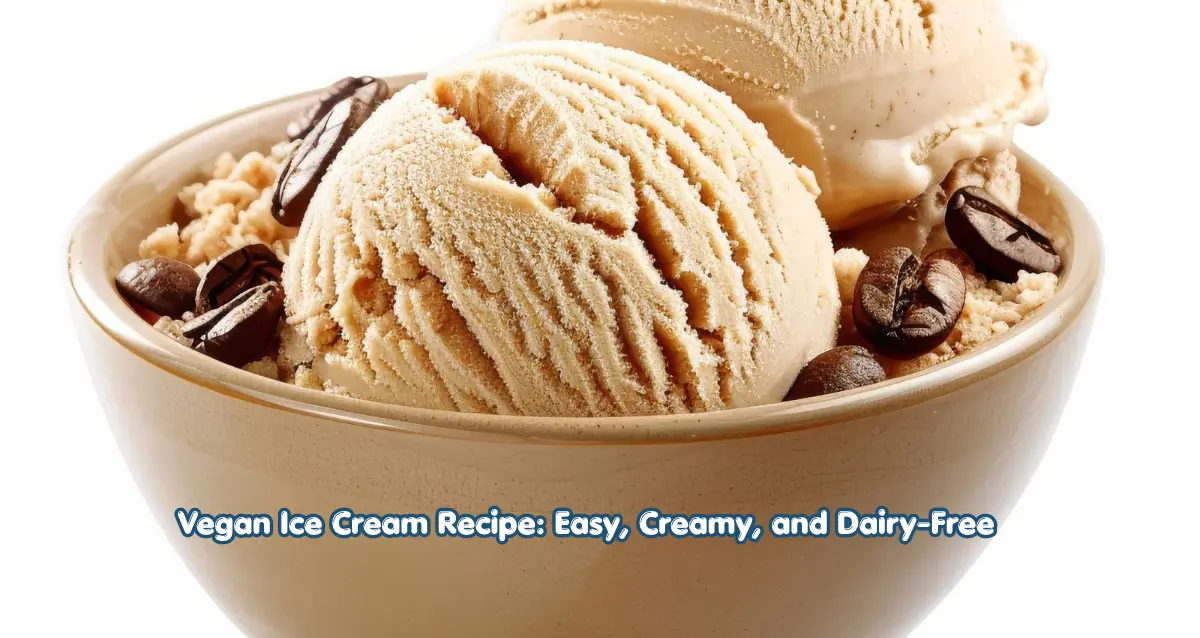
A good vegan ice cream recipe lets you enjoy a creamy, sweet and refreshing dessert without dairy milk, heavy cream or eggs. With a few simple ingredients, you can prepare homemade vegan ice cream that is full of vanilla flavor and easy to customize with chocolate, fresh fruit, nuts or other favorite toppings.
This recipe uses full-fat coconut milk, sugar, vanilla extract and a little salt to create a rich ice cream base. A small amount of cornstarch helps improve the texture, while careful blending and freezing help reduce the formation of ice crystals. You can use an ice cream maker for a smoother result or follow the no-churn method if you do not own one.
Whether you follow a vegan diet, avoid dairy products or simply want to try a new frozen dessert, this guide explains everything you need to know. You will learn which ingredients work best, how to prepare the mixture, how to freeze it properly and how to solve common problems.
The best part is that you can start with a simple vegan vanilla ice cream and change the flavor whenever you want.
Quick Recipe Overview
- Recipe name: Homemade Vegan Vanilla Ice Cream
- Preparation time: 15 minutes
- Cooking time: 5 minutes
- Chilling time: 4–6 hours or longer
- Total time: Approximately 5–7 hours, including freezing
- Servings: 6
- Difficulty: Easy
- Main ingredients: Coconut milk, sugar, vanilla extract, cornstarch and salt
- Dietary style: Vegan and dairy-free
- Equipment: Blender, saucepan, freezer-safe container and whisk; an ice cream maker is optional
The total time can vary depending on your freezer, the temperature of the mixture and whether you use an ice cream machine.
What Is Vegan Ice Cream?
Vegan ice cream is a frozen dessert made without animal-derived ingredients. Traditional ice cream usually contains dairy milk or cream and may contain eggs. A vegan version replaces those ingredients with plant-based alternatives.
Common ingredients include:
- Coconut milk or coconut cream.
- Cashew milk or blended cashews.
- Soy milk or oat milk.
- Almond milk.
- Frozen bananas.
- Plant-based cream.
- Sugar, maple syrup or another suitable sweetener.
- Vanilla, cocoa powder, fruit or other flavorings.
The ingredients you choose affect the flavor, texture and firmness of the finished dessert. For example, full-fat coconut milk creates a richer base than many low-fat plant milks. Frozen bananas produce a naturally sweet, fruit-based dessert, while cashews can create a smooth and creamy consistency when blended thoroughly.
This homemade vegan ice cream recipe focuses on a classic vanilla flavor because it works well on its own and provides a useful base for many variations.
Ingredients for the Best Vegan Ice Cream Recipe
You do not need a long shopping list to prepare this dessert. The following quantities make approximately six servings, depending on portion size.
Ingredients

2 cans full-fat coconut milk (400 ml each)
Provides richness and a creamy mouthfeel. Use unsweetened coconut milk for better control over sweetness.

¾ cup granulated sugar
Sweetens the ice cream and helps keep the frozen mixture from becoming excessively hard.

2 teaspoons pure vanilla extract
Adds a familiar vanilla aroma and balances the coconut flavor.

1 tablespoon cornstarch
Thickens the mixture when heated and helps create a more cohesive texture.

⅛ teaspoon salt
Enhances the vanilla flavor without making the dessert taste salty.
Understanding the ingredients
Full-fat coconut milk: Choose canned coconut milk rather than a thin coconut beverage. The higher fat content helps produce a richer texture. Shake the can well before measuring if the contents have separated.
Granulated sugar: Sugar does more than sweeten the recipe. It also affects how the mixture freezes. Reducing it too much can make the finished ice cream harder and more icy.
Vanilla extract: Pure vanilla extract gives a rounded flavor. Vanilla bean paste or the seeds from a vanilla pod can also be used.
Cornstarch: Mix it with a little cold coconut milk before adding it to the saucepan. This helps prevent lumps.
Salt: A small amount brings out the vanilla flavor and makes the sweetness taste more balanced.
How to Make Vegan Ice Cream Step by Step
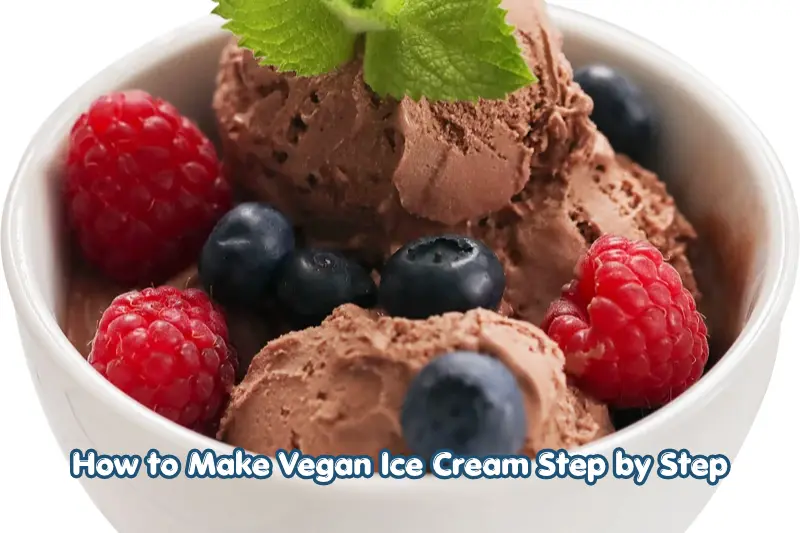
Follow these instructions for a creamy homemade dessert.
Step 1: Prepare the ingredients
Measure the coconut milk, sugar, vanilla extract, cornstarch and salt before you begin.
Pour approximately ¼ cup of the coconut milk into a small bowl. Add the cornstarch and whisk until completely smooth.
This simple step is important because cornstarch added directly to hot liquid can form lumps that are difficult to remove.
Step 2: Warm the coconut milk
Pour the remaining coconut milk into a medium saucepan. Add the sugar and salt.
Heat over medium-low heat, stirring regularly until the sugar dissolves. Do not let the mixture boil vigorously.
Add the cornstarch mixture while whisking continuously. Continue cooking for approximately 2–4 minutes, or until the liquid thickens slightly.
The mixture should lightly coat the back of a spoon. It does not need to become as thick as pudding.
Step 3: Add the vanilla extract
Remove the saucepan from the heat and stir in the vanilla extract.
Taste a small amount after it has cooled enough to sample safely. The mixture should taste slightly sweeter than you want the final frozen dessert to taste, because freezing reduces the perception of sweetness.
Avoid adding too much vanilla at once, as a strong extract flavor can overpower the delicate coconut base.
Step 4: Cool the mixture completely
Transfer the mixture to a clean, heat-safe bowl. Allow it to cool briefly, then cover and refrigerate until thoroughly cold.
This may take approximately 2–4 hours, depending on the depth of the container and your refrigerator.
For better food safety, do not leave the mixture at room temperature for an extended period. You can place the bowl in an ice bath to speed up cooling before refrigerating it.
A cold base is particularly important if you plan to use an ice cream maker. A warm mixture can slow the freezing process and produce a less desirable texture.
Step 5: Choose your freezing method
Once the mixture is cold, use either of the following methods.
Method A: With an ice cream maker
- Prepare and pre-freeze the machine’s bowl if your model requires it.
- Pour the cold mixture into the machine.
- Churn according to the manufacturer’s instructions, usually for about 20–30 minutes.
- Stop when the mixture resembles thick soft-serve ice cream.
- Transfer it to a freezer-safe container.
- Freeze for another 2–4 hours, or until firm enough to scoop.
The churning process incorporates air and helps prevent large ice crystals from forming.
Method B: Without an ice cream maker
- Pour the cold mixture into a shallow, freezer-safe container.
- Place it in the freezer with the lid loosely fitted until the mixture begins to freeze around the edges.
- After approximately 45–60 minutes, remove it and whisk vigorously to break up the icy edges.
- Return it to the freezer.
- Repeat the whisking process every 30–45 minutes for the first 2–3 hours.
- Continue freezing until the mixture is firm enough to scoop.
The timing will vary by freezer and container size. A food processor can also help break up partially frozen ice cream between freezing periods.
The manual method generally produces a somewhat less smooth texture than a good ice cream maker, but regular mixing can improve the result.
Step 6: Freeze until scoopable
Once the ice cream has reached your preferred consistency, cover it tightly and allow it to finish freezing.
If it becomes very firm, remove it from the freezer and let it soften for approximately 5–10 minutes before serving.
Avoid repeatedly melting and refreezing the entire container. This can encourage ice crystals to grow and make the texture less pleasant.
Step 7: Serve and enjoy
Scoop the finished vanilla ice cream into chilled bowls or cones.
You can serve it plain or add vegan chocolate sauce, chopped nuts, fresh berries, toasted coconut or other toppings.
For an attractive dessert, serve two scoops with a small amount of fruit and a drizzle of chocolate sauce.
How to Make Vegan Ice Cream Without Coconut Milk
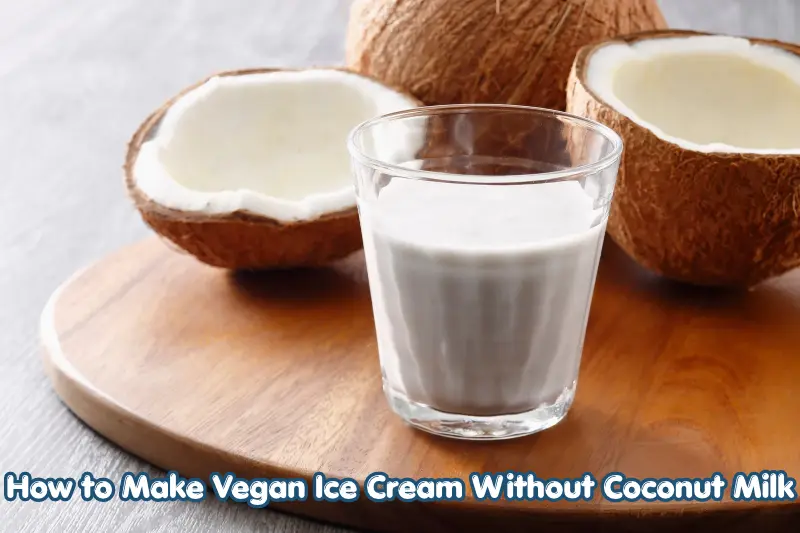
Some people dislike the taste of coconut or need an alternative because of dietary restrictions. Fortunately, other plant-based ingredients can work.
Cashew-based vegan ice cream
Soaked raw cashews blend into a smooth, rich mixture. Soak approximately 1 cup of raw cashews in hot water for 20–30 minutes, drain them and blend thoroughly with plant milk, sugar and vanilla.
Cashews contain fat and help create a creamy texture. However, they are not suitable for people with cashew or tree-nut allergies.
Oat milk ice cream
Oat milk has a mild flavor and can be a useful alternative. Choose a creamy variety, preferably one formulated for cooking or barista use.
Oat milk generally contains less fat than full-fat coconut milk, so an ice cream made with it alone may freeze harder. A suitable vegan cream or carefully chosen thickening ingredient can improve the texture.
Soy milk ice cream
Unsweetened soy milk is another option. Its protein content can help give the mixture more body, although the final creaminess depends on the recipe and fat content.
Choose an unflavored product to avoid unwanted tastes.
Banana-based ice cream
Frozen bananas are ideal for a quick, naturally sweet frozen dessert.
Slice ripe bananas, freeze them in a single layer, then blend until smooth, stopping to scrape down the sides as needed. Add a small splash of plant milk if necessary.
This is often called banana nice cream. It is simple and does not require added sugar, but it tastes strongly of banana and has a different texture from traditional-style vanilla ice cream.
Important: Plant milk substitutions are not always one-to-one replacements. If you replace both cans of full-fat coconut milk with a thin milk alternative, the mixture may freeze much harder or develop more ice crystals.
Five Delicious Vegan Ice Cream Flavors
Once you understand the basic method, you can adapt the recipe to create different flavors.

1. Vegan Chocolate Ice Cream
Whisk ¼ cup unsweetened cocoa powder into the sugar before adding the liquid. For a richer flavor, add 60–80 g of melted dairy-free dark chocolate after removing the mixture from the heat. Cool completely before freezing.

2. Vegan Strawberry Ice Cream
Cook 1 cup of finely chopped strawberries until soft, then mash or blend them into a puree. Cool completely and mix into the base before chilling. Cooking helps remove some excess water and concentrates the strawberry flavor.

3. Vegan Mango Ice Cream
Blend ¾ cup of ripe mango puree into the cooled base. Use sweet, ripe mangoes for the best flavor. Since fruit adds water, avoid adding too much puree or the ice cream may become harder or icier.

4. Mint Chocolate Chip Ice Cream
Add a small amount of peppermint extract to the cooled mixture. Begin with ⅛ teaspoon, taste and adjust carefully. Fold in ½ cup of vegan chocolate chips near the end of churning, or mix them into the partially frozen no-churn base.

5. Peanut Butter Ice Cream
Blend ⅓ cup of smooth peanut butter into the base before chilling. The result is rich and nutty. You can also swirl in a little additional peanut butter before the final freeze.
For every variation, taste the mixture before freezing and make small adjustments. Large quantities of fruit, chocolate or nut butter can change the balance of sweetness, fat and water, so the final texture may differ from the vanilla version.
How to Make Vegan Ice Cream Creamier
Creaminess is one of the most important qualities of homemade ice cream. A dessert can taste delicious but still disappoint if it is icy, grainy or difficult to scoop.
Here are the main factors that affect the texture.
Use enough fat
Fat gives ice cream a rich mouthfeel. Full-fat coconut milk, cashew cream and suitable plant-based creams can provide the fat needed for a creamy dessert.
Low-fat plant milks are useful in many recipes, but they often need additional ingredients to produce a similar texture.
Chill the base before freezing
A thoroughly chilled mixture freezes more efficiently in an ice cream maker. It also reduces the time needed to reach the soft-serve stage.
Reduce excess water
Water forms ice crystals as it freezes. Fruit purees and thin plant milks can introduce more water than a rich ice cream base can comfortably handle.
Cooking fruit, using concentrated purees and choosing a suitable base can help manage this problem.
Avoid reducing sugar too much
Sugar affects freezing as well as sweetness. A substantial reduction can leave homemade ice cream hard and difficult to scoop.
If you prefer a less sweet dessert, make a modest adjustment and expect some change in texture.
Use an airtight container
Air exposure can cause freezer burn and unwanted odors. Transfer the ice cream to a clean container, smooth the surface and close the lid securely.
A shallow container also helps the mixture freeze more evenly.
Common Vegan Ice Cream Problems and Solutions
| Problem | Likely reason | What to do |
|---|---|---|
| Ice cream is too hard | Low sugar, low fat or very cold storage | Let it soften briefly before scooping; review the ingredient balance next time. |
| Texture is icy | Excess water or insufficient mixing | Use a richer base and churn or whisk regularly. |
| Ice cream is grainy | Cashews were not blended smoothly or cornstarch formed lumps | Blend thoroughly and make a smooth cornstarch slurry before heating. |
| Flavor tastes too much like coconut | Strongly flavored coconut milk or too little vanilla | Try a different brand or a suitable refined coconut-based product with a milder flavor. |
| Ice cream is too sweet | Too much sugar or sweetened plant milk | Reduce sweetness modestly next time and use unsweetened plant milk. |
| Mixture will not thicken | Not enough heating, incorrect cornstarch measurement or insufficient cooling | Cook the base until it lightly coats a spoon, then chill completely. |
| Ice crystals form on top | Poorly sealed storage or repeated temperature changes | Cover the surface and store in an airtight freezer-safe container. |
Remember that homemade ice cream may be firmer than commercial products because commercial formulations often use carefully balanced fats, sugars, stabilizers and emulsifiers. A simple homemade recipe can still taste excellent without reproducing every feature of a commercial product.
Is Homemade Vegan Ice Cream Healthy?
Homemade vegan ice cream can be a useful alternative for people who want to avoid dairy ingredients. However, vegan does not automatically mean low-calorie, low-sugar or suitable for every dietary need.
This coconut-based recipe contains saturated fat from coconut milk and added sugar. Its nutritional profile will depend on the exact ingredients and the portion size.
If you want a lighter dessert, banana nice cream is one option. You can also experiment with unsweetened plant milk and smaller portions, although these changes may affect creaminess.
For a more accurate understanding of nutrition, calculate the values using the specific brands and quantities you use. Avoid describing a recipe as healthy or low-calorie without supporting nutritional information.
Is Vegan Ice Cream Dairy-Free and Lactose-Free?
A recipe made exclusively with plant-based ingredients is dairy-free and contains no lactose from dairy milk.
However, packaged ingredients require attention. Some chocolate chips, flavorings, toppings and ready-made sauces contain milk-derived ingredients.
If you are preparing dessert for someone with a milk allergy, check product labels and prevent cross-contact with utensils, containers and surfaces that have touched dairy products.
Vegan ice cream may still contain common allergens, including coconut, cashews, soy, peanuts or other nuts, depending on the recipe. Vegan does not mean allergen-free.
How to Store Homemade Vegan Ice Cream
Correct storage helps maintain the flavor and texture of your dessert.
- Transfer the finished ice cream into a clean, freezer-safe container.
- Smooth the surface to reduce air pockets.
- Press a piece of freezer-safe parchment against the surface if practical, then secure the lid.
- Store it in the main part of the freezer rather than in the door, where temperatures fluctuate more.
- Use a clean scoop each time you serve it.
For best texture, aim to enjoy this homemade recipe within about 2–3 weeks. It may remain safe for longer if continuously stored at an appropriate freezer temperature, but quality can decline over time. Follow food-safety guidance and discard it if there are signs of contamination or improper storage.
Do not leave the ice cream sitting out for a long period. Serve the amount you need and return the rest to the freezer promptly.
Best Toppings for Homemade Vegan Ice Cream
Toppings can turn a simple scoop into a more interesting dessert. Choose options that match the flavor of your base.
- Fresh fruit: Strawberries, mango, blueberries or sliced bananas.
- Chocolate: Vegan chocolate chips, cocoa nibs or dairy-free chocolate sauce.
- Crunchy toppings: Chopped almonds, roasted peanuts, walnuts or toasted coconut, provided they are safe for your guests.
- Sweet sauces: Vegan caramel, fruit sauce or maple syrup.
- Baked treats: Crumbled vegan cookies, brownies or pieces of vegan cake.
- Simple finishing touches: A little cinnamon, vanilla bean or a small pinch of flaky salt.
Add crunchy toppings just before serving if you want them to retain their texture.
Frequently Asked Questions About Vegan Ice Cream Recipes
1. What is the easiest vegan ice cream recipe for beginners?
A coconut milk vanilla recipe is a useful starting point because it uses a small number of familiar ingredients. Combine full-fat coconut milk, sugar, vanilla and a little salt, then chill and freeze the mixture. A small amount of cornstarch can improve the body when cooked into the base. An ice cream maker makes the process easier, but regular whisking during freezing is a workable alternative.
2. Can I make vegan ice cream without an ice cream maker?
Yes. Place the chilled mixture in a shallow freezer-safe container and whisk it every 30–45 minutes during the early stages of freezing. This breaks up some ice crystals and helps create a smoother result. You can also use a food processor to blend a partially frozen mixture. The finished texture may be less uniform than machine-churned ice cream, but the method works well for home cooks.
3. What is the best plant milk for vegan ice cream?
The best choice depends on the flavor and texture you want. Full-fat coconut milk is useful for rich, creamy ice cream, while cashew cream provides a smooth texture with a mild nutty flavor. Soy and oat milk offer alternatives, but low-fat varieties may produce a harder, icier dessert unless the recipe includes enough fat and other ingredients to balance the water content.
4. Why does my homemade vegan ice cream freeze too hard?
Homemade ice cream can become very hard when it contains too little fat or sugar, too much water, or no ingredients that help control ice crystals. It can also be harder to scoop straight from a very cold freezer. Allow it to soften for a few minutes before serving. For your next batch, follow the recipe measurements closely and avoid replacing rich coconut milk with thin plant milk without adjusting the formula.
5. Can I make vegan ice cream without coconut milk?
Yes. Cashew cream, suitable vegan cream, and some oat- or soy-based formulations can be used. Frozen bananas are another simple choice for a fruit-based frozen dessert. However, these alternatives do not behave exactly like coconut milk. You may need to adjust the amount of liquid, fat and sweetener to achieve a smooth consistency. For people with coconut allergies, check all ingredients and avoid cross-contact.
6. Is vegan ice cream suitable for people with lactose intolerance?
A properly prepared vegan ice cream recipe contains no dairy milk and therefore does not contain lactose from dairy ingredients. However, packaged toppings and flavorings may contain milk derivatives, so labels should be checked. People with milk allergies need additional care to prevent cross-contact. Also, a vegan recipe may contain other allergens, so it is important to confirm that every ingredient is suitable for the person eating it.
7. Can I use frozen fruit to make vegan ice cream?
Yes. Frozen bananas can be blended directly into a soft-serve-style dessert, while other frozen fruits can add color and flavor. Some fruits contain considerable water, so using large amounts may make the final dessert icier. For a richer texture, use a suitable creamy base and consider cooking watery fruit into a concentrated puree before mixing it into the ice cream.
8. How long does homemade vegan ice cream take to freeze?
The total time depends on the recipe, container size, freezer temperature and whether you use an ice cream maker. The base usually needs to be chilled first. After churning, allow another 2–4 hours for the ice cream to firm up. A no-churn batch may take several hours or longer. Check the actual consistency rather than relying only on a fixed time.
9. Can I make vegan chocolate ice cream with this recipe?
Yes. Add unsweetened cocoa powder to the sugar before mixing it with the coconut milk. You can also stir melted dairy-free dark chocolate into the warmed base. Make sure the chocolate is completely incorporated and that the mixture has cooled before freezing. Because cocoa and chocolate affect the sweetness and fat content, taste the mixture before chilling and adjust only in small amounts.
10. Does vegan ice cream contain eggs?
Vegan ice cream should not contain eggs, dairy milk or other animal-derived ingredients. Its texture comes from plant-based fats, proteins, sugars and, in some recipes, starches or other suitable stabilizers. Always check packaged ingredients if you are buying ready-made ice cream or using premixed products, because labels provide the most reliable information about what is included.
11. Can I make vegan ice cream without refined sugar?
You can experiment with maple syrup, date syrup or blended dates, depending on the recipe. However, liquid sweeteners and fruit-based sweeteners affect freezing differently from granulated sugar. Replacing sugar completely may produce a harder or icier texture. Start with a recipe specifically developed for your chosen sweetener rather than assuming every substitute will work in the same quantity.
12. How do I know when vegan ice cream is ready to serve?
The ice cream is ready when it is firm enough to hold a scoop but soft enough to serve without forcing the spoon through it. Churned ice cream may initially resemble soft serve and become firmer after additional freezing. If it has been stored for several hours or overnight, let it stand briefly at room temperature before scooping. Avoid leaving the whole container out until it melts.
Conclusion
Making a delicious vegan ice cream recipe at home does not require complicated ingredients or professional equipment. With full-fat coconut milk, sugar, vanilla extract and a little cornstarch, you can prepare a creamy vanilla base that is easy to customize.
The most important steps are to measure ingredients accurately, cook the base gently, cool it thoroughly and freeze it using a method that suits your equipment. If you do not have an ice cream maker, regular whisking can help improve the texture. You can also explore chocolate, strawberry, mango, mint or peanut butter variations once you are comfortable with the basic method.
Keep the mixture well covered in the freezer, adjust substitutions carefully and serve it with your favorite toppings. With a little preparation, homemade plant-based ice cream can become a simple and enjoyable dessert for everyday meals, family gatherings or warm afternoons.
