
Introduction
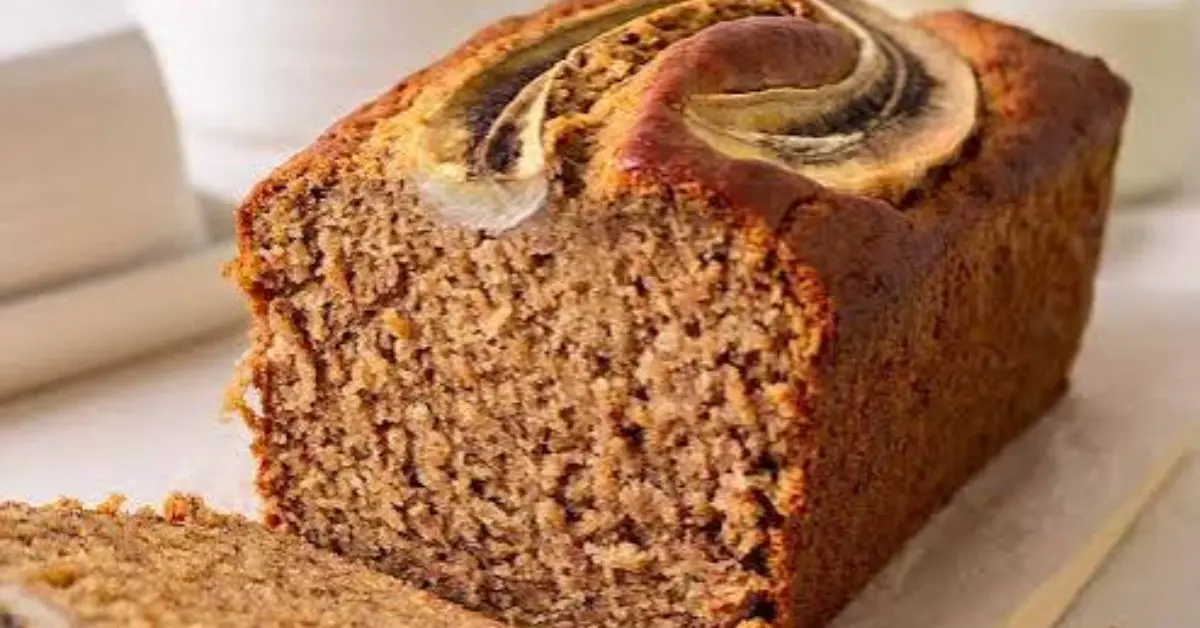
Vegan banana bread is a delicious, moist, and easy-to-make loaf prepared without eggs, dairy milk, or butter. It uses ripe bananas to provide natural sweetness, moisture, and rich banana flavor, making it an excellent choice for breakfast, snacks, or dessert.
This vegan banana bread recipe uses everyday ingredients and straightforward baking instructions, so beginners can prepare it confidently at home. You will learn how to choose the best bananas, replace traditional baking ingredients with plant-based alternatives, avoid common baking mistakes, and customize your loaf with chocolate chips, nuts, or warm spices.
Whether you follow a vegan diet or simply want to try a dairy-free and egg-free baked treat, this recipe offers a practical starting point. With the right ingredient ratios and a few simple techniques, you can make a tender loaf with a lightly golden crust and a soft center.
What Is Vegan Banana Bread?
Vegan banana bread is a sweet, quick bread made without animal-derived ingredients. Traditional recipes often contain eggs, butter, or dairy milk, while vegan versions rely on mashed bananas, vegetable oil, plant-based milk, and baking powder or baking soda to create a moist texture.
Unlike yeast bread, banana bread does not require kneading or a long rising period. Its batter is mixed quickly and baked in a loaf pan until the center is fully cooked.
The key ingredients serve specific purposes:
- Ripe bananas: Add moisture, sweetness, and banana flavor.
- All-purpose flour: Provides structure and helps the loaf hold its shape.
- Plant-based milk: Adds moisture and helps combine the ingredients.
- Vegetable oil: Keeps the crumb tender.
- Baking soda: Reacts with acidic ingredients, helping the bread rise.
- Sugar: Adds sweetness and contributes to browning.
- Vanilla extract and cinnamon: Enhance the overall flavor.
Vegan banana bread can be just as satisfying as conventional banana bread when the ingredients are balanced and the loaf is baked properly.
Why You Will Love This Vegan Banana Bread Recipe
This recipe is designed for home bakers who want a straightforward, reliable way to use ripe bananas.
1. It Uses Simple Ingredients
You do not need unusual egg replacements or specialized baking products. Most ingredients are available at ordinary grocery stores.
2. It Is Completely Egg-Free and Dairy-Free
The recipe uses plant-based ingredients instead of eggs, butter, and dairy milk. It is suitable for many people following a vegan diet, although anyone with food allergies should check ingredient labels and prevent cross-contact.
3. It Is Beginner-Friendly
The batter comes together in one main mixing bowl. You do not need an electric mixer, complicated techniques, or advanced baking skills.
4. It Is Easy to Customize
You can add walnuts, pecans, vegan chocolate chips, cinnamon, or dried fruit to create different flavors without changing the basic recipe significantly.
5. It Helps Reduce Food Waste
Overripe bananas often become too soft for eating on their own, but they are ideal for banana bread. Their sweetness and soft texture make them easy to mash and incorporate into the batter.
Ingredients for Vegan Banana Bread
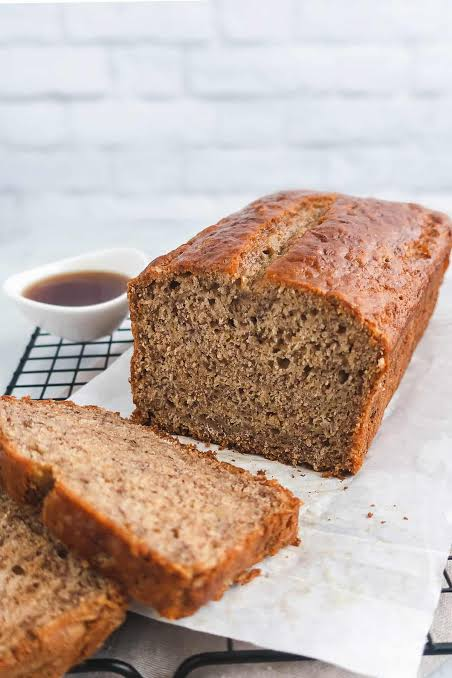
The following quantities make one standard loaf, approximately 8 to 10 slices depending on how thickly you cut it.
Dry Ingredients
- 1½ cups (about 190 g) all-purpose flour
- ¾ teaspoon baking soda
- ½ teaspoon baking powder
- ¼ teaspoon salt
- 1 teaspoon ground cinnamon, optional
Wet Ingredients
- 3 medium-to-large ripe bananas, mashed (about 1 to 1¼ cups)
- ⅓ cup (80 ml) neutral vegetable oil
- ½ cup (100 g) granulated or brown sugar
- ¼ cup (60 ml) unsweetened plant-based milk
- 1 teaspoon vanilla extract
- 1 teaspoon apple cider vinegar or lemon juice
Optional Add-Ins
Choose one or two additions to keep the batter balanced:
- ½ cup chopped walnuts or pecans
- ½ cup vegan chocolate chips
- ¼ cup raisins
- 2 tablespoons shredded coconut
- A small pinch of nutmeg
For a vegan recipe, make sure any chocolate chips and packaged ingredients do not contain milk, butter, or other animal-derived ingredients.
How to Choose the Best Bananas
Ripe bananas are one of the most important ingredients in successful vegan banana bread. They provide flavor, moisture, and natural sweetness.
Choose bananas with yellow peels covered in brown spots. They should feel soft when gently pressed but should not have visible mold, an unusual fermented smell, or signs of spoilage.
Very green bananas are usually less sweet and harder to mash. They can produce a less flavorful loaf, so allow them to ripen before baking when possible.
Can You Use Frozen Bananas?
Yes, frozen bananas work well in banana bread. Thaw them completely and drain excess liquid if they release a large amount of water. Then mash them and measure the amount needed for the recipe.
Frozen bananas may look darker after thawing, but that change alone does not mean they are spoiled. Check their smell and condition before using them.
How to Make Vegan Banana Bread Step by Step
Follow these instructions for a moist loaf with a tender interior and a lightly browned crust.
Step 1: Preheat the Oven
Preheat your oven to 350°F (175°C). Lightly grease a standard 9 × 5-inch loaf pan or line it with parchment paper.
Preparing the pan before mixing the batter makes it easier to transfer the mixture into the oven without delay.
Step 2: Mash the Bananas
Peel the bananas and place them in a large mixing bowl. Mash them with a fork until mostly smooth.
A few small lumps are fine and can add texture. However, large pieces may create uneven pockets of moisture throughout the loaf.
Measure the mashed bananas if possible. Using significantly more banana than the recipe requires can make the center too wet.
Step 3: Mix the Wet Ingredients
Add the oil, sugar, plant-based milk, vanilla extract, and apple cider vinegar or lemon juice to the mashed bananas.
Whisk until the mixture is evenly combined.
The vinegar or lemon juice adds acidity that can help baking soda react. It should not give the finished bread a strong sour taste when used in the recommended amount.
Step 4: Combine the Dry Ingredients
In a separate bowl, whisk together the flour, baking soda, baking powder, salt, and cinnamon.
Mixing the dry ingredients separately helps distribute the leavening agents evenly, reducing the risk of uneven rising or bitter patches.
Step 5: Prepare the Batter
Add the dry ingredients to the wet mixture. Stir gently with a spatula until the flour is just incorporated.
Do not beat the batter for a long time. Excessive mixing develops gluten in the flour, which can make banana bread dense or rubbery.
Fold in walnuts, vegan chocolate chips, or other optional additions at this stage.
The batter should be thick but spoonable. Avoid adding extra flour simply because the mixture looks thicker than cake batter.
Step 6: Transfer the Batter to the Pan
Pour the batter into the prepared loaf pan. Use a spatula to spread it evenly into the corners.
If desired, place a few extra chocolate chips or chopped nuts on top for a decorative finish.
Avoid filling the pan too close to the rim. The bread needs space to rise during baking.
Step 7: Bake Until the Center Is Done
Bake for approximately 50–60 minutes.
Baking time depends on your oven, pan material, banana quantity, and the moisture content of the ingredients. Begin checking around the 45-minute mark if your oven runs hot.
Insert a toothpick into the center. If it comes out with wet batter, continue baking and check again after a few minutes. A few moist crumbs are normal.
If the top becomes dark before the center is ready, loosely cover it with aluminum foil and continue baking.
Step 8: Cool Before Slicing
Remove the pan from the oven and allow the loaf to rest for 10–15 minutes. Carefully transfer it to a wire rack to cool further.
Let the bread cool substantially before slicing. Cutting it while very hot can make the center appear gummy because the crumb has not finished setting.
Serve plain or with your favorite vegan spread.
Tips for Moist and Fluffy Vegan Banana Bread
A few small adjustments can make a noticeable difference in the finished loaf.
Measure the Flour Correctly
Too much flour can produce dry, heavy banana bread. For the most consistent results, weigh the flour using a kitchen scale.
If you use measuring cups, spoon the flour into the cup and level it off rather than packing it down.
Avoid Overmixing
Stir only until the dry ingredients disappear into the wet mixture. A few small lumps are preferable to an overworked batter.
Use Fresh Baking Soda and Baking Powder
Leavening agents lose effectiveness over time, particularly if exposed to air and moisture. Check their freshness if your banana bread repeatedly comes out flat.
Keep the Oven Temperature Consistent
An oven thermometer can help identify temperature differences between the oven setting and the actual temperature. Opening the oven repeatedly can also affect baking, especially during the early stages.
Adjust Sweetness Carefully
Ripe bananas already contribute sweetness. If you reduce the sugar, remember that sugar also affects moisture, texture, and browning.
For your first attempt, follow the recipe as written. Once you understand the result, experiment with small adjustments.
Common Vegan Banana Bread Mistakes and How to Fix Them
Why Is My Banana Bread Gummy in the Middle?
A gummy center usually indicates underbaking, excess moisture, or too much banana relative to the flour. Return the loaf to the oven if the center is still raw, covering the top if necessary to prevent excessive browning.
Next time, measure the bananas and test the center before removing the loaf.
Why Is My Banana Bread Dry?
Dry bread may result from too much flour, insufficient banana, overbaking, or an oven that runs hotter than expected.
Measure the ingredients accurately and begin checking for doneness before the maximum baking time.
Why Did My Banana Bread Not Rise?
Possible causes include old baking soda or baking powder, an incorrect oven temperature, or inaccurate ingredient measurements.
Mix the leavening agents evenly into the flour and place the batter in the oven promptly after mixing.
Why Is My Banana Bread Dense?
A dense loaf can result from overmixing, excess moisture, or too much flour. Stir gently and avoid making large ingredient substitutions without adjusting the recipe.
Why Is the Top Brown but the Inside Uncooked?
The oven may be too hot, or the loaf may need more time because of its shape or moisture level.
Cover the top loosely with foil and continue baking until the center is cooked. If this happens regularly, verify the oven temperature.
Delicious Vegan Banana Bread Variations
Once you have mastered the basic recipe, you can adapt it to suit different tastes and occasions.
Vegan Chocolate Chip Banana Bread
Fold ½ cup of vegan chocolate chips into the batter. Dark chocolate pairs especially well with the sweetness of ripe bananas.
For a more chocolate-forward loaf, add 2 tablespoons of cocoa powder, but expect a slightly different texture. You may need to adjust the dry ingredients to maintain the right consistency.
Vegan Banana Bread with Walnuts
Add ½ cup of chopped walnuts or pecans for a crunchy texture. Toasting the nuts lightly before adding them can enhance their flavor.
Check nut labels carefully if preparing the loaf for someone with a nut allergy.
Whole Wheat Vegan Banana Bread
Replace up to half of the all-purpose flour with whole wheat flour. This adds a heartier texture and a more pronounced grain flavor.
Whole wheat flour absorbs moisture differently, so the loaf may be denser than the original version. Avoid replacing all the flour until you have tested the recipe.
Gluten-Free Vegan Banana Bread
Use a gluten-free all-purpose flour blend designed for baking, preferably one that includes a suitable binder such as xanthan gum.
A direct substitution may work, but results depend on the blend. Follow its packaging guidance and allow extra cooling time if the loaf feels fragile.
Importantly, gluten-free flour does not automatically make a recipe suitable for people with celiac disease unless the ingredients and preparation also avoid gluten cross-contact.
Vegan Banana Bread with Peanut Butter
Swirl 2–3 tablespoons of smooth peanut butter into the batter before baking. This creates a rich flavor that complements the bananas.
Because peanut butter changes the fat content and texture, start with a small amount rather than replacing all the oil.
Is Vegan Banana Bread Healthy?
Vegan banana bread can fit into a balanced diet, but its nutritional value depends on the ingredients and serving size.
Bananas provide carbohydrates, some fiber, and potassium. Whole wheat flour can contribute additional fiber, while nuts provide unsaturated fats and some protein.
However, vegan banana bread may still contain substantial amounts of added sugar and oil. Being plant-based does not automatically make a food low in calories, sugar, or fat.
How to Make a More Nutritious Loaf
Consider these practical changes:
- Replace up to half the all-purpose flour with whole wheat flour.
- Reduce the sugar modestly if your bananas are very ripe.
- Add chopped walnuts or seeds for extra texture and nutrients.
- Serve a slice with unsweetened plant-based yogurt or nut butter.
- Cut moderate slices and enjoy the loaf alongside other foods.
Avoid removing too much oil or sugar at once, as both affect the final texture. If you need a specific nutritional profile, calculate nutrition from the exact ingredients and quantities you use.
How to Store Vegan Banana Bread
Proper storage helps maintain the flavor and texture of homemade banana bread.
At Room Temperature
Once the loaf has cooled completely, place it in an airtight container. Store it in a cool, dry location and generally consume it within 2–3 days for best quality.
Warm bread should not be sealed immediately because trapped steam can create excess condensation.
In the Refrigerator
Refrigeration can extend storage time, although it may make the bread feel firmer or dry it out more quickly.
Keep it tightly wrapped or in an airtight container and use it within approximately one week, checking for any signs of spoilage.
In the Freezer
Vegan banana bread freezes well when properly wrapped.
For convenient portions:
- Allow the loaf to cool completely.
- Slice it into individual portions.
- Wrap the slices or place them in a freezer-safe container.
- Label the container with the date.
- Freeze for best quality for approximately 2–3 months.
Thaw slices at room temperature or warm them briefly in a toaster oven. Discard bread showing mold or an unusual smell rather than attempting to remove the affected portion.
Frequently Asked Questions
1. Can I make vegan banana bread without eggs?
Yes. This recipe does not require eggs because mashed bananas contribute moisture and help bind the ingredients. Baking soda and baking powder help the batter rise. The result is a soft, flavorful loaf without eggs or dairy, provided all packaged ingredients are plant-based.
2. What is the best egg substitute for vegan banana bread?
Mashed banana is particularly useful in banana bread because it contributes flavor, moisture, and binding. Other recipes may use applesauce, ground flaxseed mixed with water, or commercial egg replacers. Each option affects texture differently, so replacing ingredients may require testing rather than assuming the results will be identical.
3. Can I make vegan banana bread without oil?
Yes, but the texture may change. Unsweetened applesauce can replace some or all of the oil in an experimental variation. The loaf may become less rich and slightly more cake-like or dense. For a first attempt, replace only part of the oil and check the center carefully while baking.
4. How do I know when vegan banana bread is fully baked?
Insert a toothpick into the middle of the loaf. It should come out clean or with a few moist crumbs, not covered in raw batter. The center should feel set rather than liquid or sunken. If necessary, continue baking in short intervals and cover the top loosely with foil.
5. Can I prepare vegan banana bread ahead of time?
Yes. You can bake the loaf a day before serving and store it in an airtight container after it cools completely. Its flavor often develops as it rests. For longer storage, freeze individual slices and thaw them when needed. Avoid leaving moist banana bread exposed to warm, humid conditions for extended periods.
Conclusion
Vegan banana bread is a practical, flavorful way to turn ripe bananas into a homemade treat without eggs, butter, or dairy milk. With simple plant-based ingredients, careful measurements, and gentle mixing, you can make a loaf with a tender crumb, golden crust, and rich banana flavor.
The most important steps are choosing ripe bananas, measuring the flour accurately, avoiding overmixing, and checking the center before removing the loaf from the oven.
