
Introduction
Advancements in science and engineering have transformed the way protective products are developed and used. Among the most significant developments in modern security is the introduction of specialized bulletproof materials. These materials are designed to resist specified ballistic impacts and provide an additional layer of protection in environments with particular security requirements.
Bullet-resistant materials are used across numerous industries, including personal protection, transportation, construction, commercial security, and government services. Their strength, durability, and adaptability make them valuable components of modern protective systems.
Understanding the different types of protective materials, their characteristics, and their applications can help individuals and organizations make better-informed security decisions.
What Are Bulletproof Materials?
Bulletproof materials are specially engineered substances developed to resist certain projectile impacts. They differ from conventional materials because their protective characteristics are designed and evaluated for specific ballistic conditions.
These materials may be flexible, rigid, transparent, or incorporated into composite structures. Their suitability depends on the intended application and relevant performance requirements.
The term bulletproof is widely recognized, but bullet-resistant is more accurate because no material provides unlimited protection.
Manufacturers use specialized engineering processes and independent testing to establish the capabilities and limitations of protective materials.
The Development of Protective Materials
Protective materials have evolved considerably throughout history. Earlier forms of physical protection often relied on heavy and rigid substances.
Although these materials offered certain protective benefits, their weight and limited flexibility created practical challenges.
Advancements in chemistry, engineering, and material science introduced new possibilities for protective product development.
Researchers developed synthetic fibers, specialized ceramics, transparent composites, and other engineered materials that improved the practicality of protective equipment.
Today, continued innovation focuses on achieving reliable performance while addressing important considerations such as weight, comfort, durability, and environmental responsibility.
Common Types of Bulletproof Materials
Different materials are used in ballistic-resistant products depending on their intended functions. Each material offers unique characteristics and potential applications.
Aramid Fibers
Aramid fibers are advanced synthetic materials recognized for their strength and relatively lightweight properties.
They are commonly used in professionally manufactured protective clothing and composite products.
Their flexibility makes them useful in applications where comfort and movement are important considerations.
Manufacturers incorporate these fibers into protective systems designed to meet defined performance standards.
Polyethylene-Based Materials
Specialized high-performance polyethylene materials are used in various lightweight protective products.
Their strength relative to weight makes them attractive for applications where reducing unnecessary heaviness is important.
These materials are incorporated into professionally engineered systems and evaluated according to their intended protective requirements.
Engineered Ceramics
Advanced ceramic materials are used in certain rigid protective products because of their hardness and other useful physical characteristics.
They are commonly incorporated into composite systems developed for specialized protective applications.
Professional manufacturing and appropriate testing are necessary to establish the performance of finished ceramic-based products.
Ballistic-Resistant Glass
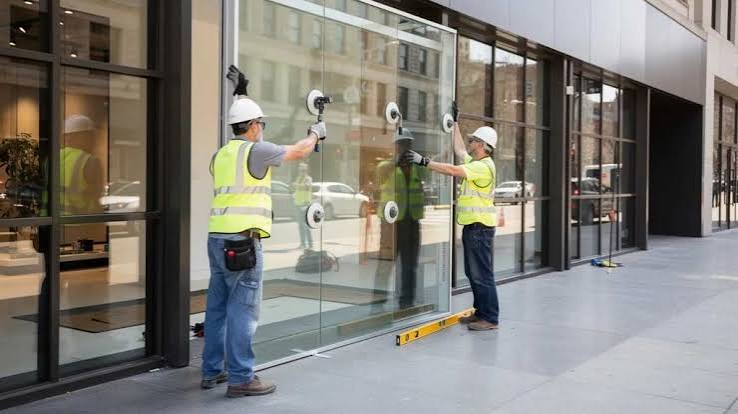
Ballistic-resistant glass is a specialized transparent material used in buildings, vehicles, and security facilities.
It allows visibility while offering protection against specified ballistic impacts.
These products generally incorporate multiple engineered materials that work together within a professionally designed protective system.
Protective Metals
Specialized metals are used in certain structural and transportation protection applications.
Their strength and durability can make them suitable for environments requiring rigid protective components.
Engineers must consider factors such as structural compatibility, weight, and intended functionality when selecting metallic protective materials.
Important Characteristics of Protective Materials
Several characteristics influence the suitability of ballistic-resistant materials for different applications.
Strength is an important factor because protective products must withstand specified impact conditions.
Durability also matters, particularly in environments where materials may experience regular use or environmental exposure.
Weight is another significant consideration, especially for personal protective equipment and transportation systems.
Flexibility may be important for wearable products, while transparency is essential for applications requiring visibility.
Manufacturers evaluate these characteristics collectively to develop products that meet particular performance and practical requirements.
Applications in Personal Protection
Personal protective equipment is one of the most widely recognized applications of ballistic-resistant materials.
Protective clothing is used by security professionals, law enforcement personnel, and other authorized individuals working in environments with identified occupational risks.
Advanced materials allow manufacturers to develop equipment that balances protection with comfort and mobility.
Appropriate fitting and professional guidance are important when selecting wearable protective products.
Users should also understand that equipment has specific performance limitations and must be maintained according to manufacturer recommendations.
Applications in Construction and Architecture
Modern architecture increasingly incorporates specialized security materials where professional assessments identify a need for enhanced protection.
Ballistic-resistant glass, reinforced doors, and protective panels may be used in commercial buildings, government facilities, and other institutional environments.
Architects and engineers consider how protective materials can be integrated without unnecessarily affecting building functionality or visual appearance.
Accessibility, emergency exits, structural requirements, and applicable building regulations must also be considered.
Professionally designed architectural protection can contribute to security while maintaining comfortable and functional spaces.
Applications in the Automotive Industry
Ballistic-resistant materials are used in specialized vehicle protection systems.
Organizations requiring enhanced transportation security may select professionally armored vehicles designed for their particular operational needs.
Protective materials must be compatible with the vehicle’s engineering requirements and intended functionality.
Vehicle manufacturers and qualified specialists consider overall weight, passenger comfort, structural reliability, and maintenance requirements.
Professional design and testing are essential to ensure that protective modifications do not create unacceptable operational problems.
Applications in Financial Institutions
Financial institutions often place considerable importance on employee, customer, and asset security.
Certain facilities may incorporate ballistic-resistant glass, protective counters, or reinforced architectural materials following professional security assessments.
Transparent protective materials allow employees to communicate with customers while maintaining an additional physical barrier.
Modern security installations can be designed to complement professional interiors and support efficient customer service.
Financial institutions should regularly evaluate their security arrangements to ensure that protective measures remain appropriate for changing operational requirements.
Benefits of Advanced Protective Materials
One of the main benefits of ballistic-resistant materials is their contribution to physical protection within defined performance conditions.
Modern materials can also offer improved practicality compared with earlier protective products.
Lightweight designs may enhance comfort, while durable materials can support long-term professional use.
Transparent protective products help maintain visibility, and adaptable architectural materials allow security features to be incorporated into different building designs.
When appropriately selected, protective materials can support workplace safety, responsible risk management, and organizational preparedness.
Challenges in Protective Material Development
Developing reliable ballistic-resistant materials involves several challenges.
Manufacturers must balance protective performance with weight, durability, production costs, and intended functionality.
Some advanced materials require specialized manufacturing processes, which can influence product availability and affordability.
Environmental conditions and long-term wear may also affect certain materials, making maintenance requirements an important consideration.
Researchers continue working to address these challenges through material innovation, improved quality control, and advanced testing methods.
Responsible product development requires careful evaluation rather than relying solely on theoretical material properties.
Quality Control and Performance Standards
Quality control is essential in the protective materials industry. A material’s advertised strength alone does not establish the protective performance of a finished product.
Independent ballistic testing helps determine whether manufactured products meet relevant performance standards under specified conditions.
Organizations should review certification documents and consult qualified professionals before making purchasing decisions.
Reliable manufacturers provide information regarding product applications, limitations, storage, and maintenance.
Consistent quality control supports product reliability and helps buyers make decisions based on verified performance rather than unsupported marketing claims.
Proper Care and Maintenance
The long-term condition of protective materials depends partly on appropriate care and maintenance.
Exposure to unsuitable environmental conditions, improper handling, and physical damage may affect certain products.
Users should follow manufacturer instructions regarding cleaning, storage, inspection, and replacement.
Organizations can establish maintenance programs to ensure that protective equipment is regularly assessed by appropriate personnel.
Keeping accurate maintenance records also supports accountability and responsible equipment management.
Products showing significant damage or deterioration should receive professional evaluation before continued use.
Sustainability and Future Developments
Sustainability is becoming an important consideration in the development of advanced materials.
Manufacturers and researchers are exploring ways to improve production efficiency, reduce waste, and extend the useful service life of protective products.
Future innovations may introduce materials that are lighter, more adaptable, and more environmentally responsible.
Advanced manufacturing technologies and digital engineering tools may also improve material consistency and product design.
Nevertheless, new protective materials must undergo appropriate testing before their capabilities can be reliably established.
Continued research will help the industry address emerging security requirements while maintaining responsible manufacturing practices.
Conclusion
Bulletproof materials are an important part of modern protective technology. From advanced synthetic fibers and engineered ceramics to reinforced metals and transparent protective materials, these innovations support a variety of security applications.
Their use in personal protective equipment, commercial buildings, transportation, and financial institutions demonstrates their versatility and practical value.
Understanding material characteristics, performance standards, maintenance requirements, and protective limitations is essential for selecting appropriate products.
As scientific research and manufacturing technologies continue to advance, ballistic-resistant materials are expected to become increasingly practical and adaptable. By combining reliable materials with professional security planning, organizations can develop safer environments and strengthen their overall approach to protection.
