
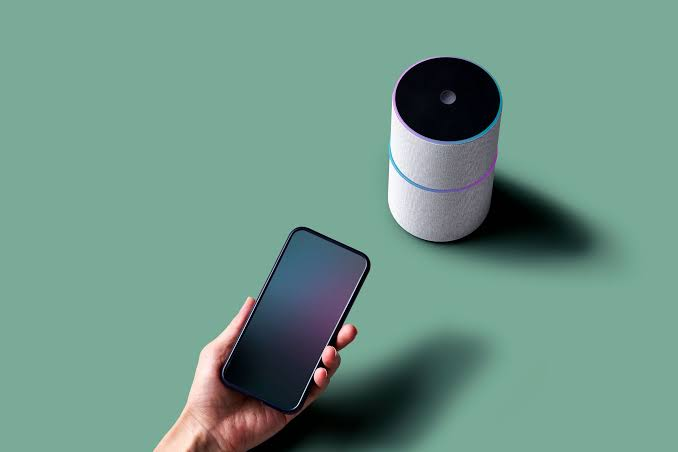
Think about how many devices you use at home every day. There’s your phone, laptop, smart TV, perhaps a gaming console, and maybe even a few smart speakers or security cameras. Most of them rely on the internet, often at the same time.
Having a connected home can make everyday life more convenient, but getting everything working properly takes a little planning. Whether you’re setting up your first smart home or improving an existing one, a few changes can make a noticeable difference.
Choosing the Right Internet Connection
Before investing in new gadgets, check whether your internet connection can support everything you already own.
A household where several people stream, game, or work remotely will generally need more bandwidth than someone who mainly browses websites and checks emails.
For Los Angeles households, looking into Los Angeles fiber internet could be a useful starting point. Fiber connections can provide fast upload and download speeds, making them particularly suitable for homes with several connected devices. Availability varies by address, so check which services are offered in your neighborhood.
Remember that the fastest available package isn’t necessarily the right one. Consider your household’s actual usage before committing to a plan.
Getting Better Wi-Fi Coverage Throughout Your Home
Even with a good internet connection, poor router placement can cause problems.
If your router is tucked behind a television, hidden inside a cupboard or positioned at one end of a large property, you might notice weaker signals in certain rooms.
Try placing it somewhere central, preferably in an open space away from thick walls and large electrical appliances.
For larger homes, a mesh Wi-Fi system may be worth considering. These systems use multiple access points to distribute wireless coverage throughout the property, helping devices maintain a stronger connection.
Choosing Smart Devices You’ll Actually Use
It’s easy to get carried away with smart home technology, particularly when there are gadgets for almost everything.
However, the most useful purchases usually solve an everyday problem.
Smart thermostats can help you manage heating and cooling schedules, while smart plugs let you control certain appliances remotely. Video doorbells and connected security cameras can also be useful, particularly when you’re away from home.
Before buying anything, check that it’s compatible with your existing devices and preferred smart home platform. Otherwise, you could end up juggling several different apps.
Keeping Your Connected Home Secure
Every connected device introduces another potential point of access to your home network, so security deserves some attention.
Change default passwords, enable automatic software updates where possible, and use strong, unique passwords for your accounts.
It’s also sensible to enable multi-factor authentication on devices and services that support it. If your router allows a separate guest network, consider using one for visitors or compatible smart devices.
Making Your Setup Work for Your Household
A connected home doesn’t need expensive technology. In fact, a reliable internet connection, good Wi-Fi coverage and a handful of useful devices may be all you need.
Think about the rooms where you spend the most time, the activities that depend on your connection, and the problems you’d most like to solve.
Making improvements gradually gives you time to see what works before spending money on additional equipment. The aim is to make your home easier to live in, not to complicate it with technology you rarely use.
