
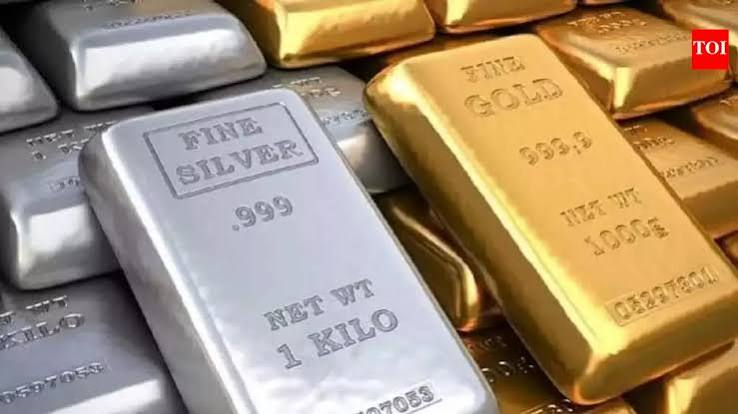
Ever checked the silver rate in Delhi in the morning, just to find out a different price by evening? It is very common. Silver prices can change throughout the day, and there is more behind such movements than you might think.
From international markets and currency fluctuations to local demand and taxes, various factors influence what you pay for silver. Whether you are planning to purchase silver jewellery, coins or bars, being aware of these factors can assist you in making a more informed decision.
What Is the Silver Rate in Delhi Today?
As of 6 November 2026, Livemint lists the silver rate in Delhi at approximately ₹1,83,990 per kilogram. These are indicative market rates, and the final price might vary based on the seller, purity and additional charges.
Silver prices do not stay fixed throughout the day. Global market movements, currency changes and trading activity can all impact local quotations.
This is why it is worth checking out the latest rate before visiting a jeweller or making a huge purchase.
What Factors Influence Silver Prices in Delhi?
Wondering why silver becomes expensive one week and cheaper in the next? Here are the major parameters behind such changes.
1. International Silver Prices
Silver is traded globally, so prices in international markets have a direct impact on Indian rates.
When global silver prices rise, Indian prices usually follow. Likewise, a decline in international prices can make silver more affordable, provided other factors stay stable.
For instance, stronger demand from international investors or industries can push global prices higher. This can ultimately affect the price quoted by silver dealers in Delhi.
So, even if you are purchasing silver from a neighbourhood jewellery shop, international market movements still matter a lot.
2. Indian Rupee Against the US Dollar
Here is something many buyers tend to overlook: silver prices are not influenced by the metal alone.
International silver is usually priced in US dollars. Since India imports substantial quantities of silver, changes in the rupee-dollar exchange rate has an impact on the domestic prices.
Suppose international silver prices stay unchanged, but the rupee weakens against the dollar. Importing silver becomes more expensive, which can increase its price in India.
In contrast, a stronger rupee assists in reducing import costs.
This is why it is useful to follow currency movements alongside silver rates.
3. Demand During Festivals and Weddings
Think about how many people purchase silver coins, utensils, jewellery as well as gifts during festivals.
During the occasion of Diwali, Dhanteras and the wedding season, demand for precious metals often tend to rise.
Delhi has an active jewellery and bullion market, and seasonal purchasing can influence local demand and dealer premiums.
Does this mean silver prices always rise in the course of festivals? Not necessarily.
If international prices are falling or supply is sufficient, local demand might not be enough to push prices higher.
Still, festive demand is worth factoring in when planning your purchase.
4. Industrial Demand for Silver
Silver is not just used for jewellery and investment. Also, it is an important industrial metal.
You will find it in electronic components, solar panels, electrical equipment and various manufacturing applications.
Why does this matter?
When industries require more silver, demand can increase. If supply does not keep pace, prices might rise.
For instance, growth in solar energy manufacturing can increase the requirement for silver used in photovoltaic technology.
Industrial demand even means silver can react in a different manner from gold. While gold is largely associated with investment and jewellery, silver has considerable industrial uses.
This makes silver prices sensitive to changes in manufacturing activity and economic growth.
5. Government Taxes and Import Duties
The price you view in an international market is not necessarily what you will pay in Delhi.
Silver imported into India attracts applicable customs duties and other import-related expenses. Domestic purchases even attract GST.
Changes in government duties can therefore impact the final cost of silver.
And do not forget jewellery-making charges. These can add considerably to the bill, based on the design and craftsmanship.
Before purchasing, ask the seller for a complete price breakdown.
This way, you will know how much you are paying for the silver itself and how much goes towards additional charges.
6. Supply and Mining Production
Like any commodity, silver prices are based partly on how much is available.
Silver comes from dedicated silver mines and is also produced as a by-product of mining other metals, including copper, lead and zinc.
Mining disruptions, higher production expenditures or transportation difficulties can impact supply.
If demand stays strong while available supply falls, prices might increase.
However, mining production is just one part of the picture. Recycling, prevailing inventories and investment activity even influence the amount of silver available in the market.
7. Investment Demand and Market Uncertainty
When financial markets become uncertain, a few investors turn towards precious metals.
Silver can attract purchasing interest in the course of inflation concerns, economic uncertainty or geopolitical tension.
But there is an essential difference between silver and gold.
Because silver even depends heavily on industrial demand, its price can be particularly volatile.
So, do not assume silver will always become more expensive whenever markets are uncertain. Prices can move in either direction.
Silver Rate in Delhi vs Silver Rate Today Jaipur: Why Can Prices Differ?
You might notice a difference when striking a comparative analysis of the silver rate in Delhi with the silver rate today Jaipur.
Both cities are influenced by the same international silver market, but local retail prices are not always identical.
Here is why:
● Local demand: Jewellery, gifting and investment demand can differ between cities.
● Transportation and handling: Moving and storing silver involves expenditures that might vary by location.
● Dealer margins: Individual jewellers and bullion dealers set their own selling margins.
● Product type: Silver jewellery, coins and bars might have distinct premiums and making charges.
For instance, a jeweller in Jaipur might offer a lower base price but charge more for a handcrafted silver item. Meanwhile, a Delhi dealer might quote a slightly higher rate with fewer additional charges.
This is why comparing just the advertised silver rate does not tell you the entire story.
How Can You Compare Silver Prices Before Buying?
Purchasing silver does not have to be complex. A few simple checks can assist you in avoiding paying more than expected.
Check the latest market rate: Compare updated silver prices from reliable financial websites and established dealers.
Compare the same quantity: Check out prices per gram, 10 grams or kilogram. Do not compare different weights without converting them.
Verify purity: Look out for appropriate purity markings and ask for documentation. For investment-grade silver, 999 fineness is usually preferred.
Ask about additional charges: Check out GST, making charges, dealer premiums and any other applicable expenses.
Review the final bill: Make sure the invoice clearly mentions weight, purity, price and charges.
And if you are purchasing silver for investment, think about resale conditions too. A low purchase price is not particularly helpful if selling the product later involves considerable deductions.
Is It Better to Buy Silver When Prices Fall?
It is tempting to wait for the lowest possible price. But here is the catch: nobody can consistently predict exactly when silver will hit its lowest point.
If you are buying jewellery or gifts for a specific occasion, focus on your budget, product quality and final cost.
If you are purchasing silver as an investment, consider your financial goals, investment period and potential to handle price fluctuations.
You could even spread purchases over time rather than investing your whole amount in one day. This does not assure better returns, but it can bring down your dependence on a single purchase price.
Final Thoughts
The silver rate in Delhi is shaped by several connected factors, involving international prices, the rupee-dollar exchange rate, industrial demand, seasonal purchasing, government duties and local dealer costs.
You do not require following every market movement to make a sensible purchase.
Just check the latest rate, compare quotations, verify purity as well as understand the complete price before paying.
Whether you are purchasing a small silver coin or a kilogram of silver, knowing what influences the price can assist you in shopping with confidence.
