
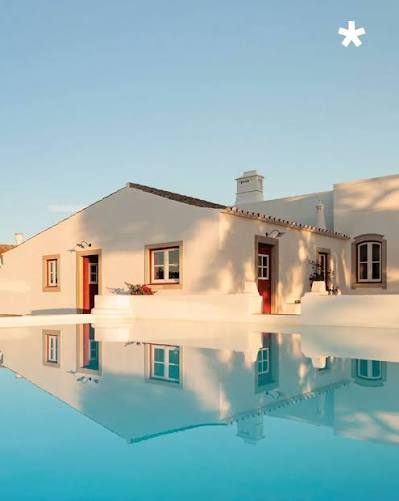
Restoring an old house in the eastern Algarve is one of the more rewarding projects an international buyer can take on, and one of the easiest to get wrong. The larger character houses along the Ria Formosa, from the cubist townhouses of Olhao to the single houses at the saltpan edge, were built with traditional materials and traditional logic. A sympathetic restoration works with that logic. A heavy-handed modernisation fights it, and the building usually wins. This guide sets out the principles that matter most in 2026.
Understand what you are buying first
The distinctive stock in this area is not the modest two-bedroom townhouse. It is the substantial, characterful house with a footprint worth preserving. Restored examples in Olhao commonly change hands between 700,000 and 1.4 million euros, and a lagoon-edge single house can reach 1.2 to 2 million. When budgets are at that level, the restoration decisions you make either protect the value or erode it. Buyers browsing character homes for sale around Olhao should look past the cosmetic finish and read the bones of each house, because that is what a good restoration is really about.
Let the walls breathe
The single most common mistake is sealing old lime-plastered walls with modern cement render and impermeable paint. Traditional Algarve construction manages moisture by letting it pass through the fabric and evaporate. Trap it and you get rising damp, blown plaster and, eventually, structural harm. Use lime-based renders and mineral paints, and the house will regulate itself as it did for a century or more.
Protect the flat roof and the terrace
The acoteia rooftop terrace is the signature feature of this architecture and often the most valuable part of the house. Waterproofing it properly is non-negotiable, but so is retaining its character. Keep the traditional parapet detailing and the external staircase where they exist. A well-restored roof terrace with a lagoon view is precisely what buyers in this market are paying for.
Work with the right trades
- Engage a builder who has restored traditional Algarve houses, not only built new ones.
- Budget realistically for lime work, bespoke joinery and roof waterproofing rather than assuming volume-build rates.
- Retain reversible interventions where you can, so a future owner can adapt without demolition.
The reward for restraint
A character house restored with restraint holds its value and its comfort far better than one gutted into a generic modern interior. The buyers drawn to this part of the eastern Algarve in 2026 want authenticity, and they can tell the difference between a house that has been respected and one that has merely been renovated. Restore for the former and the market rewards you.
It is also worth planning the restoration sequence around the Algarve climate rather than a builder’s convenience. Lime work cures best in the milder, drier windows of spring and autumn, roof waterproofing is far easier away from the humidity of high summer, and any structural opening-up is better done before the winter rains arrive. Sequencing the trades to the seasons rather than forcing everything into a single tourist-season push protects both the fabric and the finish, and it is one of the clearest signs of a restoration run by people who know the region.
Finally, resist the temptation to over-open the plan. These houses were designed with rooms and thick walls for good reason, keeping interiors cool through summer and warm through the short winter. Knocking everything into one modern open volume can undo that thermal performance and strip out the very character a buyer paid for. Keep the courtyards, keep the shaded rooms, and let the house do what it was built to do.
