
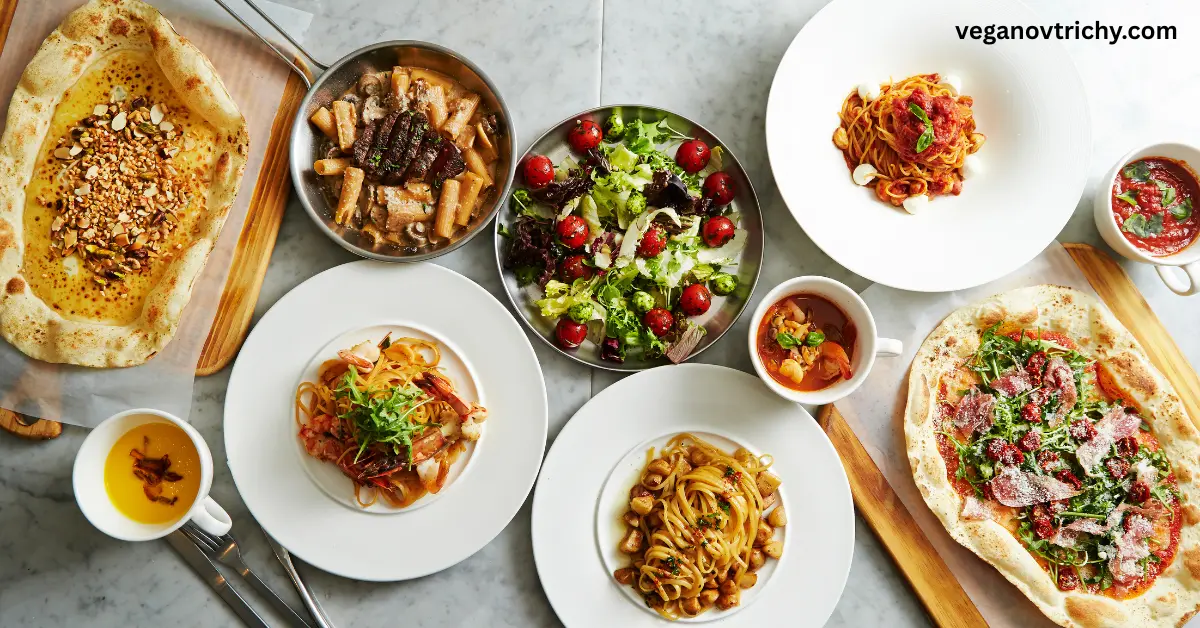
Finding restaurants with vegan options is much easier today than it was a few years ago. You do not always need to visit a fully vegan restaurant to enjoy a satisfying plant-based meal. Many restaurants, cafés, fast-food locations, international cuisines, and independent eateries now offer vegan dishes or allow customers to modify certain menu items.
The important part is knowing what to look for.
A restaurant may advertise a “vegetarian” dish that still contains dairy or eggs. A salad may include cheese or a non-vegan dressing. A vegetable curry might contain yogurt or butter. Even foods that appear completely plant-based can contain hidden animal ingredients.
This guide explains how to find reliable vegan meals, which types of restaurants usually offer the most choices, what foods you can order, what ingredients to check, and how to communicate your requirements clearly.
Whether you are fully vegan, eating more plant-based meals, traveling, dining with friends, or simply trying vegan food for the first time, these practical tips can make eating out much easier.
What Are Restaurants With Vegan Options?
Restaurants with vegan options are restaurants that offer one or more meals or menu items that do not contain animal-derived ingredients.
These restaurants do not necessarily have to be completely vegan.
There are several types of places where you may find suitable choices:
- Fully vegan restaurants
- Vegetarian restaurants with vegan dishes
- Traditional restaurants with clearly labeled vegan meals
- Restaurants that allow menu substitutions
- International restaurants where naturally vegan foods are common
- Fast-food and casual dining chains with plant-based options
- Cafés offering dairy-free milk and vegan snacks
- Restaurants that can prepare a customized plant-based meal
The number of vegan choices can vary significantly from one restaurant to another.
One restaurant may have a complete vegan section, while another may only have one or two suitable dishes.
For this reason, checking the current menu and asking questions before ordering is always a smart approach.
17 Types of Restaurants That Often Have Vegan Options
Instead of relying only on restaurants specifically labeled “vegan,” it helps to understand which cuisines naturally provide plant-based choices.
Here are some of the best categories to explore.
1. Indian Restaurants
Indian cuisine can be one of the easiest choices for vegan diners because many traditional dishes are based on vegetables, lentils, beans, rice, spices, and grains.
However, not every vegetarian Indian dish is vegan.
Common dishes that may be suitable include:
- Chana masala
- Dal
- Vegetable biryani
- Aloo-based dishes
- Vegetable curry
- Rajma
- Vegetable samosas
- Roti without butter
- Rice dishes
- Some chutneys
The main ingredients to check are ghee, butter, cream, yogurt, and paneer.
For example, a vegetable curry may look vegan but could contain cream or ghee.
When ordering, ask whether the dish is prepared with oil or animal-based fats.
2. Thai Restaurants
Thai restaurants often provide excellent vegan possibilities because many dishes use vegetables, rice, tofu, herbs, and noodles.
Popular choices can include:
- Vegetable stir-fries
- Tofu dishes
- Vegetable curries
- Rice dishes
- Fresh spring rolls
- Vegetable noodle dishes
- Tofu soups
One important issue is that traditional Thai cooking can use fish sauce or shrimp-based ingredients.
A dish containing vegetables and tofu is not automatically vegan.
Ask whether the sauce contains fish sauce, oyster sauce, shrimp paste, or other animal ingredients.
You can also ask for a dish to be prepared with tofu and a vegan sauce.
3. Mexican Restaurants
Mexican food can be surprisingly vegan-friendly.
Beans, rice, vegetables, salsa, corn tortillas, guacamole, and certain fillings can form the foundation of a complete meal.
Possible choices include:
- Bean tacos
- Vegetable tacos
- Rice and beans
- Guacamole
- Salsa
- Vegetable burritos
- Corn tortilla dishes
- Vegetable fajitas
- Bean bowls
The main ingredients to check include cheese, sour cream, meat-based beans, and animal fats.
Some refried beans may be prepared with lard, so it is worth asking.
4. Mediterranean Restaurants
Mediterranean restaurants can offer a wide selection of naturally plant-based foods.
Depending on the restaurant, you may find:
- Hummus
- Falafel
- Tabouli
- Baba ganoush
- Vegetable salads
- Roasted vegetables
- Rice
- Pita
- Lentil dishes
- Stuffed vegetables
The key is checking sauces, cheese, and yogurt.
Falafel itself is commonly plant-based, but preparation methods and accompanying sauces can differ.
5. Middle Eastern Restaurants
Middle Eastern cuisine is another strong option for vegan diners.
Many traditional foods are based on chickpeas, lentils, vegetables, grains, herbs, and tahini.
Look for:
- Hummus
- Falafel
- Fattoush
- Tabouli
- Lentil soup
- Vegetable plates
- Baba ganoush
- Rice dishes
- Stuffed vegetables
Tahini is generally made from sesame seeds, making it a useful dairy-free alternative to creamy sauces.
Still, it is best to confirm the ingredients when ordering prepared dishes.
6. Japanese Restaurants
Japanese restaurants can offer vegan meals, but they require a little more attention.
Possible options include:
- Vegetable sushi
- Avocado rolls
- Cucumber rolls
- Edamame
- Vegetable rice
- Tofu dishes
- Some noodle dishes
- Vegetable tempura
The biggest concern is hidden seafood.
Fish stock, bonito flakes, fish sauce, and other seafood ingredients can appear in soups and sauces.
Soy sauce is generally plant-based, but individual sauces should still be checked.
7. Chinese Restaurants
Chinese restaurants often have many vegetable-based dishes and tofu options.
Depending on the menu, you might find:
- Vegetable stir-fry
- Tofu with vegetables
- Vegetable fried rice
- Vegetable noodles
- Steamed vegetables
- Vegetable dumplings
- Eggplant dishes
- Mushroom dishes
Be careful with oyster sauce, fish sauce, chicken stock, and other animal-based sauces.
Ask whether the dish can be prepared with a vegan sauce.
8. Italian Restaurants
Italian food is not automatically vegan, but restaurants often have dishes that can be modified.
Potential options include:
- Tomato-based pasta
- Marinara pasta
- Vegetable pasta
- Pizza without cheese
- Vegetable salads
- Bruschetta
- Roasted vegetables
Pasta itself can vary. Some fresh pasta contains eggs, while many dried pastas are made from wheat and water.
Always check before assuming.
If ordering pizza, ask whether the dough is vegan and whether the tomato sauce contains dairy or other animal ingredients.
9. Vegan and Plant-Based Restaurants
The simplest choice is often a restaurant that specializes in vegan or plant-based food.
These restaurants typically make plant-based eating the focus of their menu.
You may find:
- Vegan burgers
- Plant-based sandwiches
- Tofu bowls
- Vegan pizza
- Dairy-free desserts
- Plant-based breakfast
- Vegan pasta
- Smoothies
- Grain bowls
A dedicated vegan restaurant can also be a good choice for groups because everyone can order from the same menu without making extensive modifications.
10. Cafés and Coffee Shops
Cafés can be useful when you need breakfast, a snack, coffee, or a light meal.
Possible options include:
- Oat milk coffee
- Soy milk coffee
- Almond milk drinks
- Avocado toast
- Fruit bowls
- Smoothies
- Vegan pastries
- Vegetable sandwiches
- Overnight oats
Be careful with whipped cream, butter, honey, dairy-based sauces, and baked goods containing eggs or milk.
A dairy-free milk option does not automatically mean every food item in the café is vegan.
11. Mediterranean and Salad Restaurants
Salad-focused restaurants can provide flexible vegan meals.
Start with vegetables, grains, legumes, seeds, and plant-based dressings.
A useful combination might include:
- Mixed greens
- Chickpeas
- Roasted vegetables
- Avocado
- Quinoa
- Seeds
- Hummus
- Vegan dressing
The biggest mistake is assuming that every salad is vegan.
Cheese, creamy dressing, eggs, chicken, tuna, and honey are common additions that need to be checked.
12. Burger Restaurants
Many burger restaurants now offer plant-based burgers.
Depending on the restaurant, the plant-based patty may be vegan or simply vegetarian.
Always check:
- Patty ingredients
- Bun ingredients
- Cheese
- Mayonnaise
- Special sauce
- Butter
- Cooking method
Some restaurants may also cook plant-based products on the same grill as meat.
If avoiding shared cooking surfaces is important to you, ask the restaurant about its preparation practices.
13. Pizza Restaurants
Pizza can be made vegan with the right substitutions.
A simple vegan pizza might contain:
- Tomato sauce
- Mushrooms
- Peppers
- Onions
- Olives
- Spinach
- Tomatoes
- Other vegetables
The major issue is cheese.
Ask whether the restaurant has vegan cheese or whether it can prepare the pizza without cheese.
Also confirm that the dough and sauce do not contain dairy or other animal ingredients.
14. Breakfast Restaurants
Breakfast menus can be more challenging because eggs, dairy, and butter are common.
However, some restaurants offer:
- Oatmeal
- Fruit
- Avocado toast
- Potatoes
- Toast
- Smoothie bowls
- Plant-based sausage
- Dairy-free pancakes
- Vegan breakfast sandwiches
Always check whether toast is buttered and whether pancakes or waffles contain eggs and milk.
15. Fast-Food Restaurants
Fast-food restaurants increasingly provide plant-based choices.
Depending on location and menu availability, you may find:
- Plant-based burgers
- Vegetable wraps
- Bean-based meals
- French fries
- Salads
- Plant-based nuggets
- Dairy-free beverages
Fast-food menus change frequently, so checking the restaurant’s current menu is especially important.
A product marketed as “plant-based” is not necessarily completely vegan.
16. Asian Fusion Restaurants
Asian fusion restaurants can provide many flexible combinations of vegetables, rice, noodles, tofu, and sauces.
You can often create a meal using:
- Tofu
- Vegetables
- Rice
- Noodles
- Mushrooms
- Edamame
- Vegan sauces
The most important step is identifying sauces and cooking ingredients that may contain seafood, dairy, or meat stock.
17. Health-Focused and Whole-Food Restaurants
Health-focused restaurants often have grain bowls, salads, legumes, vegetables, smoothies, and plant-based proteins.
These places can be particularly useful when you want a balanced meal rather than simply removing meat from a dish.
Look for meals that combine:
- Vegetables
- Beans or lentils
- Whole grains
- Nuts or seeds
- Tofu or another plant protein
- Healthy fats
A plant-based meal does not automatically mean it is nutritionally balanced, so variety is useful.
How to Find Restaurants With Vegan Options Near You
Finding a suitable restaurant becomes much easier when you use a simple process.
Step 1: Search by Cuisine
Instead of searching only for “vegan restaurant,” try searches based on what you want to eat.
Examples include:
- Vegan Indian food
- Vegan Thai restaurant
- Vegan pizza
- Vegan Mexican food
- Vegan breakfast
- Vegan-friendly café
This can give you more choices.
Step 2: Check the Current Menu
Do not rely only on an old review.
Restaurant menus change because of:
- Seasonal ingredients
- New menu launches
- Supply issues
- Restaurant ownership changes
- Pricing changes
- Discontinued dishes
Look at the current menu whenever possible.
Step 3: Look for Vegan Labels
A menu may use symbols such as:
- V
- VG
- Vegan
- Plant-based
However, restaurant symbols are not standardized everywhere.
Read the menu legend carefully.
Step 4: Ask Specific Questions
Instead of simply asking, “Is this vegetarian?” ask specific questions.
For example:
“Does this contain milk, butter, eggs, cheese, or honey?”
For international cuisines, you may also need to ask about fish sauce, oyster sauce, shrimp paste, meat stock, or other animal-based ingredients.
Step 5: Confirm Sauces and Dressings
Sauces are one of the easiest places for animal ingredients to hide.
Check:
- Mayonnaise
- Cream sauce
- Cheese sauce
- Yogurt sauce
- Butter sauce
- Fish sauce
- Oyster sauce
- Ranch dressing
- Caesar dressing
A dish may otherwise look completely plant-based.
Common Hidden Animal Ingredients in Restaurant Food
Understanding ingredient names makes ordering easier.
Dairy
Watch for:
- Milk
- Cream
- Butter
- Ghee
- Cheese
- Whey
- Casein
- Yogurt
Eggs
Eggs may appear in:
- Mayonnaise
- Fresh pasta
- Baked goods
- Pancakes
- Desserts
- Some sauces
- Certain noodles
Seafood Ingredients
These are particularly common in Asian cuisine.
Look for:
- Fish sauce
- Oyster sauce
- Shrimp paste
- Anchovy
- Bonito
- Fish stock
Meat-Based Ingredients
Some vegetable dishes may use:
- Chicken stock
- Beef stock
- Meat gravy
- Bacon
- Lard
- Animal fat
Honey
Honey is sometimes used in:
- Dressings
- Sauces
- Desserts
- Drinks
- Granola
If you avoid honey, remember to ask specifically about it.
Vegan vs. Vegetarian: What Is the Difference?
This distinction is important when eating at restaurants.
Vegetarian food generally excludes meat and seafood but may still contain:
- Milk
- Cheese
- Butter
- Eggs
- Yogurt
Vegan food excludes animal-derived ingredients.
Therefore, a vegetarian pizza with cheese is not vegan.
Likewise, a vegetarian curry containing cream is not vegan.
If you need a strictly vegan meal, do not assume that a menu item marked vegetarian is automatically suitable.
How to Order Vegan Food at a Restaurant
Ordering does not have to be complicated.
A simple approach is:
1. Identify the Base
Choose foods such as:
- Rice
- Potatoes
- Vegetables
- Pasta
- Bread
- Grains
- Beans
2. Add Plant Protein
Choose:
- Tofu
- Chickpeas
- Lentils
- Beans
- Tempeh
- Plant-based meat
3. Add Vegetables
Try to include several different vegetables when available.
4. Check the Sauce
Ask about the ingredients in sauces and dressings.
5. Remove Non-Vegan Ingredients
You may be able to request:
- No cheese
- No butter
- No mayonnaise
- No yogurt
- No egg
- No honey
6. Confirm the Final Order
If the meal is customized, repeat the requirements before the order is finalized.
Best Vegan Foods to Look for on Restaurant Menus
Some foods are easier to identify than others.
Good starting points include:
- Hummus
- Falafel
- Vegetable curry
- Dal
- Chana masala
- Bean tacos
- Vegetable fajitas
- Tofu stir-fry
- Vegetable sushi
- Avocado rolls
- Vegetable rice
- Grain bowls
- Vegetable pasta
- Tomato-based pasta
- Roasted vegetables
- Fruit bowls
- Smoothies
These are not automatically vegan everywhere, so ingredient confirmation is still important.
How to Choose a Good Restaurant for a Group
Dining with non-vegan friends or family can make restaurant selection more complicated.
A good restaurant should ideally offer enough variety for everyone.
Look for menus that include:
- Vegan meals
- Vegetarian meals
- Meat dishes
- Salads
- Grain bowls
- Flexible substitutions
- Multiple cuisine choices
A restaurant with only one vegan side may not be the best choice for a long meal or special occasion.
If you are planning a group dinner, check the menu before arriving.
What Makes a Restaurant Truly Vegan-Friendly?
The number of vegan dishes is only one part of the experience.
A genuinely vegan-friendly restaurant should ideally provide:
Clear Menu Information
Customers should not have to guess whether a dish contains animal ingredients.
Knowledgeable Staff
Servers should be able to answer basic ingredient questions.
Flexible Substitutions
Removing cheese or replacing a protein can make a big difference.
Variety
One vegan salad is not the same as having several complete vegan meals.
Transparent Ingredients
Clear descriptions make ordering easier and reduce confusion.
Are Plant-Based Meals Always Vegan?
No.
This is one of the most important points to understand.
“Plant-based” can be used differently by different restaurants and brands.
A product may be primarily made from plants but still contain ingredients that some vegans avoid.
For example, a plant-based burger could be served with cheese or mayonnaise.
Likewise, a restaurant may describe a dish as plant-based while its preparation includes ingredients that do not meet a strict vegan definition.
Always check the complete dish rather than relying on one marketing term.
How to Handle Cross-Contact Concerns
Some vegan diners are comfortable eating food prepared in kitchens that also prepare meat, dairy, and eggs. Others prefer separate preparation.
Restaurants may use:
- Shared grills
- Shared fryers
- Shared cooking surfaces
- Shared utensils
- Shared preparation areas
If avoiding cross-contact is important to you, communicate this clearly before ordering.
Keep in mind that a restaurant that serves many types of food may not be able to guarantee completely separate preparation.
People with severe food allergies should also communicate their allergy requirements directly to restaurant staff because vegan and allergy-safe are not the same thing.
Tips for Traveling as a Vegan
Travel can make vegan dining more challenging, especially when you do not know the local cuisine.
Before traveling:
- Research restaurant menus.
- Learn common local ingredient names.
- Save a few suitable restaurants.
- Check opening hours.
- Contact restaurants when requirements are complicated.
- Keep simple snacks available when practical.
- Learn how to explain your dietary needs clearly.
International cuisine can actually be an advantage because many cultures have traditional plant-based dishes.
Indian, Middle Eastern, Mediterranean, Ethiopian, Thai, Chinese, Japanese, and Mexican cuisines can all provide useful options depending on the restaurant and preparation style.
How to Find Better Vegan Options at Non-Vegan Restaurants
You do not always need a restaurant with a dedicated vegan menu.
Try looking at the menu differently.
Instead of asking:
“Which meal is vegan?”
Look for components that can be combined.
For example:
Grain + vegetables + beans + sauce
or
Rice + tofu + vegetables
or
Tacos + beans + vegetables + guacamole
This approach can help you build a complete meal even when the restaurant does not advertise many vegan dishes.
Common Mistakes to Avoid
Assuming Vegetarian Means Vegan
Always check dairy and egg ingredients.
Assuming “Vegetable” Means Vegan
Vegetable dishes can contain butter, cream, cheese, or animal-based stock.
Forgetting About Sauces
Sauces can completely change whether a meal is vegan.
Trusting Old Menu Information
Menus can change frequently.
Not Asking About Cooking Ingredients
The ingredients used to prepare a dish may not appear in the main description.
Ordering Only Side Dishes
A meal made entirely from small sides may not be satisfying.
Try to include vegetables, carbohydrates, and a plant-based protein when possible.
How to Make a Vegan Restaurant Meal More Balanced
A satisfying plant-based meal can include several food groups.
Try to combine:
Protein
Beans, lentils, tofu, tempeh, chickpeas, or other plant proteins.
Carbohydrates
Rice, potatoes, pasta, bread, grains, or tortillas.
Vegetables
Leafy greens, peppers, broccoli, carrots, tomatoes, mushrooms, or other vegetables.
Healthy Fats
Avocado, nuts, seeds, tahini, or suitable plant-based dressings.
This combination can make restaurant meals more filling and varied.
Best Questions to Ask Your Server
If you are unsure about a dish, ask simple questions.
Useful examples include:
- “Is this completely vegan?”
- “Does this contain milk or butter?”
- “Does the sauce contain dairy?”
- “Does this contain egg?”
- “Is there fish sauce in this?”
- “Is the bread made with dairy or eggs?”
- “Can you prepare this without cheese?”
- “Can I replace the meat with tofu or vegetables?”
- “Does the rice contain chicken stock?”
- “Is there a vegan dressing available?”
Specific questions usually produce clearer answers than simply asking whether something is “healthy.”
What to Do If a Restaurant Has Almost No Vegan Options
Do not panic.
Look at:
- Side dishes
- Salads
- Vegetable starters
- Rice
- Beans
- Grilled vegetables
- Plain grains
- Fruit
- Customizable dishes
You can also ask whether the kitchen can make a simple combination using ingredients already available.
However, restaurants have different policies and kitchen limitations, so they may not always be able to customize an item.
Why More Restaurants Are Offering Vegan Choices
Vegan options have become more visible because restaurants serve customers with increasingly varied dietary preferences.
People may choose plant-based food for many different reasons, including:
- Personal values
- Dietary preferences
- Environmental concerns
- Curiosity
- Lifestyle choices
- Trying new cuisines
Restaurants can also benefit from offering flexible options because a group with different dietary preferences can eat at the same location.
The growth of vegan choices does not mean every restaurant offers a large vegan menu. It simply means plant-based choices are increasingly common across many types of dining establishments.
How to Find the Best Restaurants With Vegan Options
The “best” restaurant depends on what you actually need.
For a quick meal, convenience may matter most.
For a family dinner, variety may be more important.
For a strict vegan, ingredient transparency may be the highest priority.
For someone new to vegan food, a restaurant with a clearly labeled menu can provide the easiest experience.
Before choosing a restaurant, consider:
- Number of vegan dishes
- Cuisine
- Menu clarity
- Price range
- Location
- Opening hours
- Customization options
- Reviews
- Staff knowledge
- Current menu availability
Do not choose a restaurant simply because it appears in a “vegan-friendly” search result. Check whether its current menu actually meets your needs.
Frequently Asked Questions
What restaurants have the most vegan options?
Restaurants specializing in vegan food usually provide the widest selection. However, Indian, Middle Eastern, Mediterranean, Thai, Mexican, Chinese, and some Japanese restaurants can also offer many vegan choices when ingredients are checked carefully.
Can normal restaurants have good vegan food?
Yes. A restaurant does not need to be fully vegan to serve an enjoyable vegan meal. Many traditional restaurants offer plant-based dishes or allow customers to customize meals by removing dairy, eggs, meat, or other animal ingredients.
How do I know if a restaurant meal is vegan?
Check the menu for a vegan label and read the ingredient description. If anything is unclear, ask restaurant staff about dairy, eggs, butter, cheese, honey, meat stock, fish sauce, oyster sauce, and other animal-derived ingredients.
Are vegetarian meals always vegan?
No. Vegetarian meals can contain dairy and eggs. Cheese, milk, butter, cream, yogurt, and eggs are commonly used in vegetarian dishes, so a vegetarian label should not automatically be treated as vegan.
What cuisines are easiest for vegan dining?
Indian, Middle Eastern, Mediterranean, Thai, Mexican, Chinese, and some Ethiopian cuisines can provide many naturally plant-based dishes. The exact options depend on the restaurant and how individual dishes are prepared.
Can I ask a restaurant to make a dish vegan?
Often, yes, but it depends on the restaurant. You can ask whether ingredients such as cheese, butter, cream, mayonnaise, eggs, or animal-based sauces can be removed or replaced. Always accept that a kitchen may have limitations.
Are plant-based burgers vegan?
Not necessarily. The patty may be vegan, but the bun, cheese, mayonnaise, sauce, or other toppings may contain animal ingredients. Check the complete burger before ordering.
Is vegan food available at fast-food restaurants?
Many fast-food restaurants offer at least some plant-based choices, although availability varies by country and location. Menu items can also change, so check the current menu and ingredient information before ordering.
What should I order at a restaurant if there are no vegan meals?
Look for individual vegan components such as beans, rice, vegetables, potatoes, salads, hummus, tofu, or other plant-based ingredients. Ask whether the kitchen can combine them into a complete meal.
Are fries always vegan?
No. Fries may be cooked in shared fryers, and some seasonings or coatings can contain animal ingredients. Ask about the ingredients and cooking method if this matters to you.
Can vegans eat food cooked on the same grill as meat?
Some vegans are comfortable with shared cooking equipment, while others prefer separate preparation. If this is important to you, ask the restaurant how the food is prepared before ordering.
How can I find vegan restaurants while traveling?
Search for vegan-friendly restaurants in your destination, check current menus, read recent reviews, and contact restaurants when ingredient information is unclear. Learning common local food terms can also make ordering easier.
Final Thoughts
Finding restaurants with vegan options no longer means limiting yourself to a single type of restaurant. From Indian and Middle Eastern food to Thai, Mexican, Mediterranean, Japanese, Italian, cafés, burger restaurants, and fast-food locations, there are many places where you can build a satisfying plant-based meal.
The key is not simply finding the word “vegan” on a menu.
Look at the ingredients, ask about sauces and cooking methods, understand the difference between vegetarian and vegan food, and check current menu information before ordering. When a restaurant does not have a dedicated vegan menu, look at individual ingredients and build a meal from suitable components.
A little preparation can make dining out much easier.
Whether you are an experienced vegan or simply trying more plant-based meals, knowing how to evaluate a restaurant gives you more freedom to enjoy different cuisines without unnecessary confusion. The best restaurant is ultimately one that provides food you can confidently order, enough variety to enjoy your meal, and staff who are willing to answer reasonable ingredient questions.
