
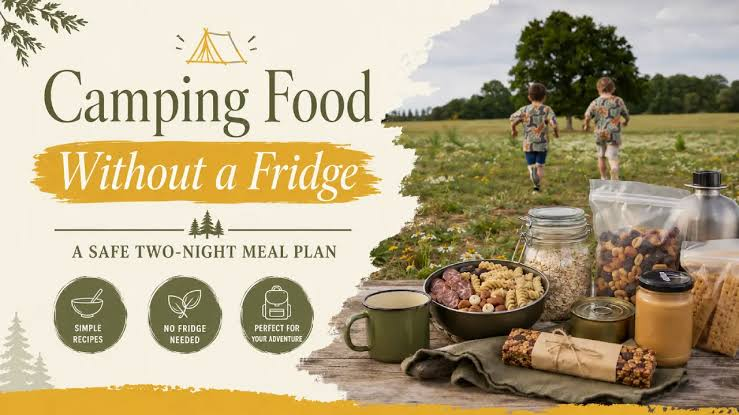
Plant-based eating and camping fit together better than most people expect. Beans, grains, nuts, dried fruit and sturdy vegetables are exactly the foods that survive a weekend in a backpack without refrigeration, and they are the cheapest calories in the grocery store. The challenge is not finding vegan food for the outdoors; it is planning so that every meal is filling, quick to cook with limited water and fuel, and easy to clean up without leaving anything behind for the wildlife. This guide walks through the pantry, the meals, the packing and the safety habits that make plant-based camp cooking simple.
Build a No-Fridge Pantry
Start by thinking in categories rather than recipes. A shelf-stable plant-based kit for a weekend comes down to a handful of staples that combine in dozens of ways.
- Quick-cooking grains and starches: instant oats, couscous, quick-cook rice, ramen or rice noodles, instant mashed potatoes, tortillas and dense bread.
- Protein that keeps: dehydrated refried beans, lentils (red lentils cook in about fifteen minutes), textured vegetable protein, canned chickpeas for car camping, nut butters, roasted nuts and seeds, shelf-stable tofu or tempeh for the first night.
- Vegetables and fruit that travel: onions, garlic, carrots, cabbage, bell peppers, sweet potatoes, apples, oranges, and dried mushrooms, tomatoes and fruit for longer trips.
- Fats and flavor: olive or coconut oil in a small leakproof bottle, nutritional yeast, soy sauce packets, curry powder, chili flakes, bouillon cubes, salt, a lemon, and a small jar of miso or tahini.
Most of these keep for weeks at room temperature, and cabbage, carrots, onions and garlic last days in a pack even in summer heat. Repackage everything into zip bags at home and write the water ratio and cook time on each bag so you are not guessing at dusk.
Breakfast, Lunch and Dinner Without a Cooler
Breakfast is the easiest meal. Instant oats with chia seeds, dried fruit, a spoon of peanut butter and a pinch of cinnamon needs only boiling water. Overnight oats work too: mix oats, plant milk powder, water and fruit in a jar before bed, and breakfast is ready when you wake up with no stove at all. For something savory, instant grits or polenta with nutritional yeast and olive oil holds you until lunch.
Lunch should be no-cook. Tortillas spread with hummus from a shelf-stable pouch or rehydrated refried beans, plus shredded cabbage and hot sauce, roll up in a minute. Peanut butter and apple slices, crackers with nut butter and dried fruit, or a couscous salad made the night before with lemon, oil and chopped vegetables all travel well in a daypack.
Dinner is where a single pot and twenty minutes go a long way. A few reliable formulas: red lentil curry with coconut milk powder, curry paste and whatever vegetables are left; coconut rice with chickpeas and peppers; ramen upgraded with dried mushrooms, cabbage, a spoon of miso and a handful of peanuts; couscous with sun-dried tomatoes, olives and roasted chickpeas, which needs only a five-minute soak; and a simple chili from dehydrated beans, textured vegetable protein, tomato powder and spices. Cook the aromatics in oil first, add dry goods and water, simmer, and season aggressively. Food outdoors always wants more salt and acid than you think.
For car camping, foil-packet sweet potatoes with black beans and salsa cooked on the coals make a satisfying evening meal with little cleanup. If you are new to cooking outdoors, the camp cooking guides and beginner camping tips on managing a fire ring and a single-burner stove are worth reading before your first night, because technique matters more than the recipe.
Packing Lists for a Weekend
A good packing list separates the kitchen from the pantry. For the kitchen, carry one pot with a lid that doubles as a plate or pan, a single-burner canister stove with a full canister plus a spare for longer trips, a lighter and backup matches, a long-handled spoon, a small cutting board, a folding knife, a pot grabber, a collapsible bowl and mug per person, a small sponge with a drop of biodegradable soap, a bandana for drying, and a mesh bag for packing out food scraps. A pot cozy is optional but cuts fuel use because food can finish cooking off the flame.
For the pantry, plan by meal and by day, then add one spare dinner. A two-night trip for two people might look like this: two breakfasts of oats with fruit and nut butter, two lunches of tortillas with bean spread and cabbage, two dinners from the formulas above, plus snacks of trail mix, dates, dark chocolate, roasted chickpeas and energy bars. Portion grains at roughly one cup dry per person per dinner, and bring a little more than you think you need. Appetite climbs outdoors, and plant-based meals are lighter in calories per bite than you may be used to. Add enough fat through oil, nuts and seeds to stay warm and full.
Water is the hidden line item. Cooking grains, rehydrating beans and cleaning up all use water, so carry extra or plan around a reliable source and a filter. Pasta and rice that need draining waste both water and fuel; couscous, instant rice, ramen and red lentils absorb everything they are cooked in.
Fire-Safe Cooking Methods
Before you light anything, check the fire restrictions for the campground or forest you are in. Burn bans are common across the western United States in late summer and fall, and they often prohibit open fires while still allowing gas stoves with a shutoff valve. A canister stove is therefore the dependable default. Set it on flat, bare ground or a rock, well away from dry grass, tent fabric and overhanging branches, and never leave it burning unattended.
If fires are allowed, cook over coals, not flames. Build a small fire in an established ring, let it burn down for thirty to forty minutes until you have a glowing bed, and set your pot on the grate or directly on the coals. Flames blacken pots and burn food; coals cook evenly. Keep a pot of water or a shovel within reach the whole time. When you are done, drown the fire completely, stir the ashes, and feel them with the back of your hand before you walk away. Buy firewood locally to avoid spreading pests, and never burn trash, plastic or food packaging.
Two rules carry more weight than all the rest. First, never cook inside a tent or an enclosed vestibule, no matter how cold or rainy it is. Stoves and lanterns produce carbon monoxide, which is odorless and can be fatal in a small space; cook outside, under a tarp if you need shelter. Second, keep hot pots and boiling water away from tent doors and where children or dogs are moving around. A spilled pot of boiling lentils is a serious burn, hours from a hospital.
Keep Your Food and the Wildlife Safe
Plant-based food still smells like food to a bear, a raccoon or a mouse. Nut butter, dried fruit and spices are strong attractants. Store everything scented, including toothpaste, cooking oil, trash and the pot you did not fully scrub, in a bear box, a bear canister or a locked vehicle, never in the tent. Where none of those are available, hang a bag at least twelve feet up and six feet out from the trunk. Cook and eat at least a couple hundred feet from where you sleep when you are backcountry camping.
Cleanup follows the same logic. Scrape plates into your trash bag rather than onto the ground. Wash dishes away from streams and lakes, strain the dishwater through a mesh bag or bandana, pack out the solids, and scatter the strained water widely. Leave No Trace applies as much to lentil scraps and orange peels as to plastic; peels take months to break down and teach animals to associate campsites with meals. Everything you carry in, including compostable packaging, comes back out with you.
Pack It Up
Plant-based camp cooking comes down to a few habits: choose staples that cook fast and absorb all their water, prep and label everything at home, bring more fat and salt than you would at your kitchen table, and plan one no-cook meal per day so you are not tied to the stove. Respect fire restrictions, cook outdoors over coals or a canister stove, and lock up every scented item at night. Do that and you will eat better than most of the campground while carrying less.
Start with one overnight trip and a single dinner formula you trust. The camp cooking section on Camping.tips has more ideas for meals, budget trips and campsite selection if you want to keep building your outdoor menu, and the eco-conscious approach behind it, journeying with nature and preserving it for tomorrow, is a natural fit for anyone who already cooks with the planet in mind.
