
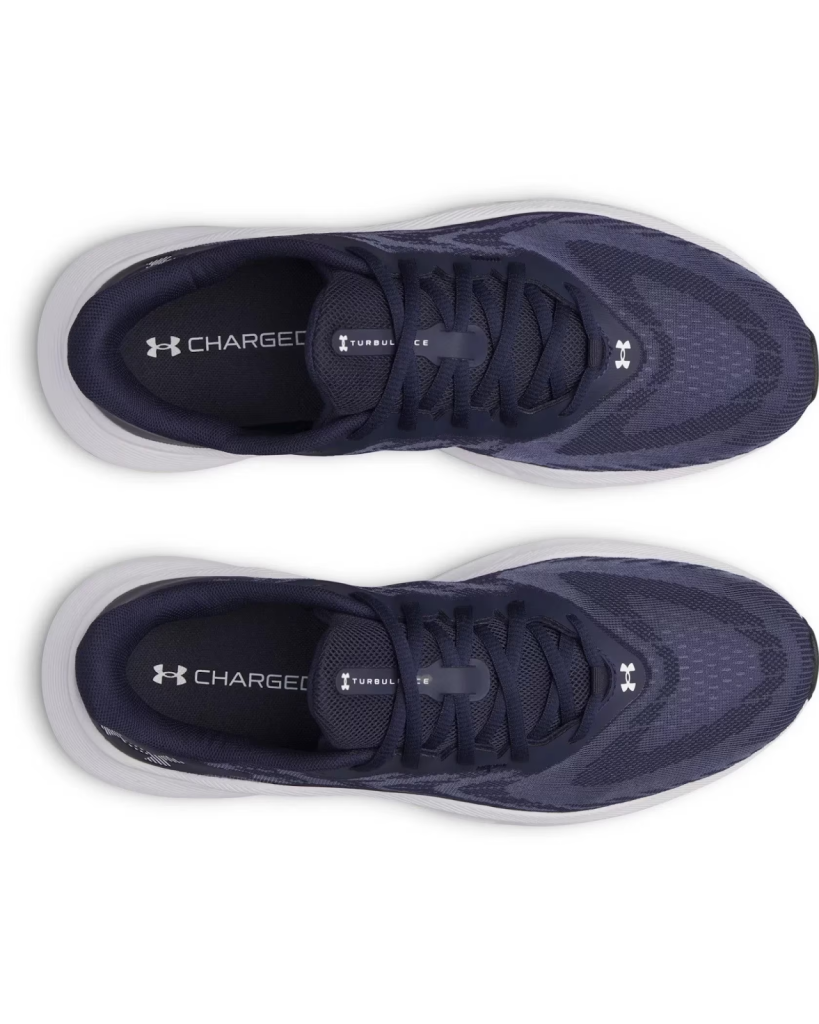
Choosing the wrong athletic shoe is one of the most common and costly training mistakes men make. A cushioned running shoe worn during heavy lifts destabilises the base. A training shoe used for long road runs fails to manage cumulative impact. The performance gap between a purpose-matched shoe and a general-purpose one is measurable in force transfer, injury risk, and session quality.
This guide breaks down what to look for across five athletic shoes for men, i.e. Training, Running, Basketball, Golf, and Sportswear and explains the technology that makes each category work.
What Are the Best Training Shoes for Men Who Lift?
For gym training like weights, HIIT, circuits, or CrossFit, the priority is stability and force transfer, not cushioning. Soft midsoles compress under load, wasting energy and destabilising the base during squats, deadlifts, and lunges.
What to look for:
- Flat, firm soles that keep the foot grounded during pressing movements
- Lateral grip that holds during quick direction changes
- Durable uppers that maintain structure under repeated load
The UA TriBase Reign 6 addresses this directly. Its three-point ground contact design maximises floor contact and stability during lifting, while still allowing the lateral movement needed in circuit training. It is built for performance under load, not for road comfort.
The charged edge sits in a hybrid territory, useful for men whose sessions blend gym work with outdoor movement, offering impact protection without sacrificing training versatility.
Key distinction: If you regularly squat or deadlift over 80kg, a dedicated training shoe is not optional. The midsole stiffness difference between a running shoe and a training shoe is significant enough to affect both form and safety.
How to Choose a Running Shoe for India’s Roads and Climate
Indian runners face two compounding challenges: hard concrete surfaces that increase impact per stride, and high humidity that accelerates foot fatigue and blister risk. Running shoes for men need to manage both throughout the full duration of the run, not just the first kilometre.
What to look for:
- Responsive midsole cushioning that maintains performance across 8–15km
- Breathable mesh upper to manage heat and moisture
- Locked heel collar that prevents slippage at tempo pace
UA HOVR™ is Under Armour’s core running cushioning technology that is engineered to reduce impact and return energy to propel forward momentum. The UA HOVR Infinite and Infinite Pro are built around this platform, with smooth heel-to-toe transitions suited for daily training miles.
For higher mileage or longer efforts, UA HOVR+™ uses full-length bead-foam construction to increase energy return. As legs fatigue after 15–20km, the midsole continues to perform where a standard foam compound would begin to compress and flatten.
Replacement rule: Running shoes should be replaced every 500–800 kilometres, not when the upper shows visible wear. A flattened midsole stops absorbing impact well before the shoe looks worn out, and continuing to run on a dead midsole significantly increases the risk of injury to the knees, shins, and hips.
What Makes a Good Basketball Shoe for Indian Courts?
Basketball demands explosive lateral movement, i.e., fast cuts, hard stops, and repeated vertical jumps on surfaces ranging from polished wood to dusty outdoor concrete. The shoe has to grip immediately and cushion landings without adding weight that slows movement.
What to look for:
- Herringbone or radial outsole pattern for grip on both clean and dusty surfaces
- Dual-density or responsive midsole cushioning for landing impact
- Mid or high-top collar for ankle support during lateral cuts
The Curry 12, built on the UA Flow platform, removes conventional rubber-heavy construction in favour of a lighter, more connected underfoot feel. The dual-density setup provides enough cushion for landings while staying close enough to the floor for quick directional response. On dusty Indian outdoor courts, where grip inconsistency directly affects footwork, the outsole bite matters more than it does on maintained indoor floors.
What Should Men Look for in Golf Shoes?
A round of golf is 6–8 hours on foot across uneven terrain, combined with repeated rotational movement through the swing. The footwear challenge is unusual: it must support a stable, grounded base during the swing while staying comfortable enough for extended walking.
Three non-negotiable performance criteria:
- Torsional stability — the sole must resist twisting through the swing without rolling underfoot
- Walk comfort — consistent midsole cushioning across the full round, not just the first few holes
- Water resistance — India’s shoulder seasons and early morning dew make dry feet a performance factor, not just a comfort one
UA Storm upper treatment repels water without sacrificing breathability, which is relevant for morning tee times when courses are wet and temperatures are still rising.
What Are Sportswear Shoes and When Do Men Need Them?
Sportswear shoes for men occupy the space between dedicated athletic footwear and everyday wear. They carry performance technology, i.e. cushioning, weather resistance, breathability, in a design that functions across commutes, errands, casual wear, and light training.
This category solves a specific problem: most men do not need a dedicated trainer for every hour of the day, but they do need something that performs when an unplanned workout appears.
The Phantom 24/7 Storm brings a clean high-top silhouette with Storm-treated uppers that handle India’s unpredictable weather transitions. The Echo SlipSpeed™ builds around UA HOVR™ cushioning in a flexible design suited for gym entry, casual wear, and everyday movement without requiring a shoe change mid-day.
When sportswear makes sense: If you train 3–4 times per week in dedicated sessions, sportswear shoes handle the remaining hours so your training pairs stay purpose-focused and last longer.
How to Get the Right Fit: A Pre-Purchase Checklist
Fit errors are the most common cause of discomfort and blisters, regardless of shoe quality. Before buying any athletic shoe:
- Toe room — toes should spread naturally with no pressure at the front box
- Heel lockdown — no lift during fast walking or direction changes
- Midfoot feel — secure without compression
- Purpose test — side steps for training and court shoes; jog in place for runners
- Socks — always fit-test in the socks you will actually wear for that activity
Timing matters: Feet swell by up to half a size across the day. Trying on shoes in the evening gives a more accurate true size than a morning fitting.
Final Word
When you approach shoes for men through this five-lane framework — Training, Running, Basketball, Golf, Sportswear — the right choice no longer feels overwhelming and becomes obvious. Use the Under Armour tech map as your shortcut: Build a tight rotation, fit correctly, care for your pairs, and replace them on time. Every step in training starts from the ground. Get that part right, and everything above it, form, output, and consistency, gets easier.
