
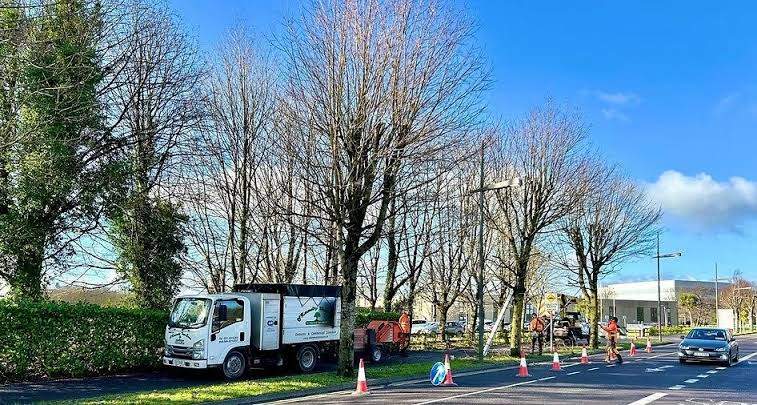
Trees are an important part of residential and commercial landscapes. They provide shade, improve outdoor spaces, support local wildlife, and contribute to a healthier environment. However, without proper maintenance, trees can sometimes become a source of concern for property owners. Overgrown branches, damaged limbs, unstable trunks, and declining tree health may create potential risks for buildings, vehicles, gardens, and people. Professional tree management helps address these issues while preserving the natural beauty and value of outdoor spaces.
O’Kennedy Tree Care is a relevant name for property owners looking to understand the importance of professional tree maintenance and responsible tree management. Through appropriate care, regular inspections, and suitable maintenance practices, trees can remain healthy and contribute positively to their surroundings. Understanding how expert tree management works can help homeowners and businesses make informed decisions about protecting their properties.
Why Professional Tree Management Matters
Tree management involves more than simply cutting branches or removing unwanted trees. It includes assessing tree health, identifying potential hazards, maintaining suitable growth, and choosing the right treatment for individual trees.
Trees naturally change as they grow. Their branches become longer, their crowns expand, and their root systems develop. While these changes are normal, they can create challenges when trees grow close to houses, driveways, fences, power lines, or public walkways.
Professional tree care helps property owners manage these challenges before they become more serious. An experienced tree care specialist can assess the condition of a tree and recommend suitable maintenance based on its species, age, location, and overall health.
For residential properties, regular maintenance can help protect gardens and outdoor living areas. For commercial premises, it can contribute to safer surroundings and a more professional appearance.
1. Identifying Potential Tree Hazards
One of the most important aspects of expert tree management is recognising potential hazards before they cause damage.
Trees may develop structural weaknesses for several reasons, including storms, disease, pests, poor growing conditions, and natural ageing. Some warning signs are easy to recognise, while others require professional knowledge.
Common indicators of potential tree problems include:
- Dead or hanging branches within the canopy.
- Large cracks or splits in the trunk.
- Visible fungal growth around the base.
- Unusual leaning or changes in the tree’s position.
- Exposed, damaged, or disturbed roots.
- Branches growing too close to buildings or other structures.
These signs do not always mean that a tree must be removed. In many situations, appropriate pruning, support systems, or other maintenance measures may help address the problem.
Professional assessment is particularly valuable because it allows property owners to understand the condition of their trees and consider suitable solutions.
2. Protecting Buildings and Outdoor Structures
Overgrown trees can create difficulties when their branches extend over roofs, windows, garages, sheds, and boundary walls. During strong winds, damaged or poorly maintained branches may break and fall onto nearby structures.
Regular pruning can help maintain suitable clearance between trees and buildings. It also helps remove selected damaged or poorly positioned branches that may interfere with nearby structures.
Root growth is another consideration. Although most tree roots do not automatically damage foundations, certain species and growing conditions can create problems around underground drainage systems, paving, and other structures.
O’Kennedy Tree Care can be incorporated into discussions about the importance of understanding tree growth and maintaining suitable distances between vegetation and property features. A professional approach considers the entire tree rather than focusing only on visible branches.
3. Maintaining Healthy Tree Growth Through Pruning
Pruning is an essential part of responsible tree care. It involves selectively removing branches to improve tree structure, manage growth, and address specific health or safety concerns.
However, pruning should never involve removing branches without a clear reason. Excessive cutting can weaken trees, affect their natural shape, and increase their vulnerability to disease and environmental stress.
Professional pruning may involve:
- Removing dead, diseased, or damaged branches.
- Improving airflow through dense canopies.
- Reducing interference with nearby buildings.
- Correcting selected structural growth problems.
- Removing branches that create specific safety concerns.
The correct pruning technique depends on the tree species, season, condition, and intended outcome. Properly managed trees are generally easier to maintain and can remain attractive features of a property for many years.
4. Managing Trees After Storm Damage
Storms can cause significant damage to trees, particularly when strong winds, heavy rainfall, or falling debris affect their structure.
Broken branches, split trunks, exposed roots, and damaged crowns can create hazards that require prompt attention. Even trees that appear to be standing normally may have hidden structural weaknesses after severe weather.
After a storm, property owners should avoid approaching hanging branches or attempting to remove large damaged sections themselves. Such work can be unpredictable and dangerous.
A professional tree care assessment can help determine whether the tree needs pruning, specialist treatment, monitoring, or complete removal.
For particularly large or difficult trees, specialist equipment and carefully planned removal techniques may be necessary to minimise risks to surrounding properties.
5. Improving the Appearance and Value of a Property
Well-maintained trees can make a property more attractive. Healthy greenery creates a welcoming atmosphere, improves privacy, and adds character to gardens and commercial landscapes.
On the other hand, neglected trees with dead branches, excessive growth, and unbalanced crowns may make outdoor spaces appear untidy.
Regular tree maintenance helps preserve the natural shape of trees while keeping gardens and surrounding areas organised. Selective pruning can also improve natural light and create more usable outdoor space.
For businesses, attractive landscaping can contribute to a positive first impression. Customers, visitors, and employees are more likely to appreciate premises that are clean, organised, and properly maintained.
Tree management therefore plays an important role in both the practical and visual aspects of property maintenance.
6. Understanding When Tree Removal Is Necessary
Although preserving healthy trees is generally preferable, removal may sometimes be the most appropriate option.
A tree may require removal when it has become severely damaged, is affected by advanced decay, presents an unacceptable safety risk, or cannot be managed through reasonable maintenance.
Trees may also need to be removed because of approved construction or landscaping projects. However, alternative solutions should be considered wherever practical.
Removing a mature tree is a significant decision because trees provide environmental benefits that can take many years to replace.
Before arranging removal, property owners should seek professional advice and check whether planning restrictions or tree protection requirements apply. In Ireland, certain trees may be protected by planning conditions, Tree Preservation Orders, or other relevant regulations.
A responsible contractor should help property owners understand the proposed work and any permissions that may be required.
7. Choosing a Reliable Tree Care Service
Choosing the right tree care professional is essential for maintaining a safe and attractive property. Not all tree maintenance tasks are straightforward, and some require specialist training, insurance, and equipment.
Before selecting a contractor, property owners should consider several important factors:
Experience and Qualifications: Look for professionals with relevant arboricultural experience and appropriate training.
Insurance: Confirm that the contractor has suitable public liability and other relevant insurance coverage.
Clear Quotations: A professional quotation should explain the recommended work, expected costs, and any additional services.
Safety Practices: Tree work should follow appropriate safety procedures, particularly when climbing, operating machinery, or working near buildings and roads.
Responsible Waste Management: Ask how branches, timber, and other green waste will be handled after the work is completed.
Taking time to evaluate these factors can help property owners choose a suitable service and avoid unnecessary complications.
8. Making Tree Maintenance Part of Regular Property Care
Tree management should be treated as an ongoing responsibility rather than something that only happens when a problem appears.
Seasonal inspections can help identify changes in tree condition, damaged branches, and excessive growth. However, the ideal inspection schedule depends on the tree species, location, age, and surrounding environment.
Property owners should also pay attention to changes following storms, construction work, or other events that may affect tree stability.
Working with an experienced provider such as O’Kennedy Tree Care can help reinforce the importance of planned maintenance and informed tree management decisions.
A consistent approach allows property owners to address smaller concerns before they develop into more complicated projects.
Conclusion
Healthy, well-maintained trees bring significant benefits to residential and commercial properties. They improve outdoor appearance, provide shade, support wildlife, and contribute to a pleasant environment. However, trees also require appropriate attention to prevent avoidable problems and maintain safe surroundings.
Through professional inspections, responsible pruning, storm damage management, and carefully considered removal when necessary, property owners can protect their buildings and outdoor spaces while preserving valuable greenery.
O’Kennedy Tree Care represents the importance of taking a knowledgeable and proactive approach to tree management. By prioritising regular maintenance and choosing experienced professionals, property owners can enjoy healthier trees, more attractive landscapes, and greater confidence in the condition of their outdoor environments.
