
Parenting is often described as one of life’s most rewarding endeavors, yet it is simultaneously among the most challenging and complex. From navigating toddler tantrums and emotional meltdowns to helping school-aged children process anxiety, shifting peer dynamics, and academic pressure, caregivers constantly strive to provide a safe, nurturing environment. However, despite the best intentions, daily stressors, miscommunication, and behavioral friction can strain the bond between caregivers and children. When traditional discipline strategies fall short or behavioral struggles persist, families often seek professional guidance to restore emotional harmony and mutual understanding.
Addressing these deep-seated relational challenges requires therapeutic approaches that go beyond managing surface-level behaviors. Grounded in the principles of filial therapy, child parent relationship therapy (CPRT) is an evidence-based, highly effective intervention designed to strengthen the emotional bond between caregivers and children aged three to ten. Instead of treating the child in isolation, CPRT trains parents to become the primary therapeutic agents in their children’s lives. By equipping parents with specialized play therapy skills, this model transforms the home environment into a safe, healing space where children can process emotions and express their authentic selves.
The Foundations of Play-Based Healing
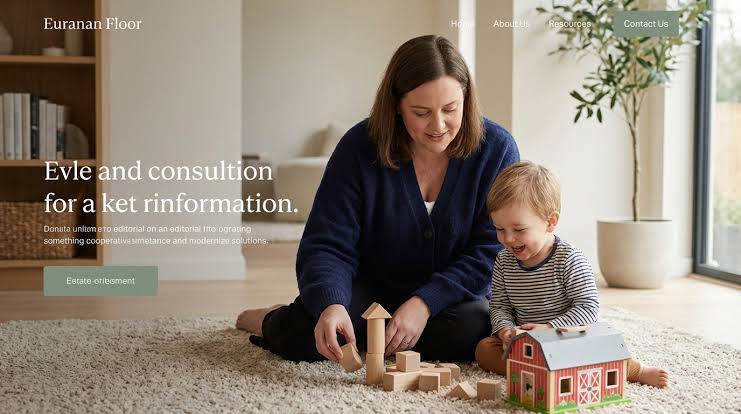
At the core of CPRT is the foundational understanding that play is a child’s natural language, and toys serve as their words. While adults rely on complex verbal communication to express frustration, sadness, or confusion, young children lack the cognitive development and abstract vocabulary needed to process intricate emotional states verbally.
Through structured, weekly play sessions, parents learn how to enter their child’s world without judgment, interruption, or immediate correction. This intentional playtime teaches caregivers how to decode behavioral cues, recognize underlying emotional needs driving an outburst, and respond with empathetic presence rather than reflexive discipline.
Core Skill Sets Taught in CPRT
The curriculum of CPRT focuses heavily on teaching four core skill sets that reshape everyday interactions:
- Empathic Listening: Learning to reflect a child’s feelings accurately so the child feels truly heard, validated, and understood.
- Agnostic and Child-Centered Responses: Allowing the child to take the lead in play, which fosters self-efficacy, confidence, and internal motivation.
- Setting Therapeutic Limits: Establishing clear, consistent boundaries with structured choices that encourage self-control without inducing shame or fear.
- Building Esteem: Highlighting process and effort over perfection to help children develop intrinsic self-worth rather than relying solely on external approval.
Common Behavioral Challenges Addressed
Families turn to CPRT for a wide variety of behavioral and emotional concerns, including:
- Emotional Dysregulation: Difficulty managing anger, frequent tantrums, and intense anxiety.
- Life Transitions: Adjustment difficulties related to divorce, moving, or welcoming a new sibling.
- Social & Relational Friction: Severe sibling rivalry, persistent aggression, and withdrawal from family interactions.
- Somatic Symptoms: Unexplained sleep disturbances, bedtime resistance, and stress-related physical complaints.
Because children often act out their distress rather than talking about it, traditional talk therapy can sometimes fall short. CPRT bridges this gap by giving parents the tools to decode behavioral signals, turning everyday challenges into opportunities for deeper connection and emotional regulation.
Program Structure and Group Support
The structure of a standard CPRT program typically spans ten to twelve weeks, combining group instruction for parents with supervised, one-on-one play sessions with their own child. During parent training sessions, participants:
- Review Session Media: Analyze video recordings of their play sessions with a trained clinician to refine their skills.
- Share Roadblocks and Victories: Discuss real-time successes and persistent challenges in a safe setting.
- Practice Relational Techniques: Roleplay new communication skills before applying them at home.
This group setting offers profound emotional relief for parents, as they realize they are not alone in the trials of raising young children. The shared experiences foster a deep sense of solidarity, normalizing the vulnerabilities of parenthood and drastically reducing the isolation that modern caregivers frequently experience.
Long-Term Benefits for the Family Unit
The transformative effects of this modality extend far beyond the duration of the formal program, creating lasting positive changes:
- For the Child: Increased frustration tolerance, improved social skills, greater emotional resilience, and a deeper sense of security within the family unit.
- For the Parent: A dramatic reduction in parenting stress, increased confidence in discipline strategies, and a renewed sense of warmth in daily interactions.
By shifting the relational dynamic from authoritarian control to collaborative emotional attunement, families build a resilient foundation that lasts well into adolescence and adulthood.
Modern Access to Family Telehealth
Accessing specialized family mental health services has historically required traveling to specialized clinics, which can introduce significant logistical hurdles for busy households. Fortunately, the expansion of modern behavioral telehealth has made evidence-based parenting programs far more accessible. Platforms like ReachLink connect families with licensed clinical professionals who can deliver parent coaching, counseling, and specialized therapy services through secure, HIPAA-compliant video sessions. By removing geographical barriers and offering flexible scheduling, virtual care enables parents to participate in transformative training programs from the comfort and privacy of their own homes.
Investing in Lasting Connection
Raising children in a fast-paced, high-stress world requires more than instinct; it requires intentional tools, deep empathy, and unwavering support. When behavioral challenges arise and communication begins to fray, structured interventions offer a clear pathway back to connection. By embracing evidence-based relational approaches, caregivers can transform everyday conflicts into profound opportunities for healing, ensuring that the parent-child bond remains a lifelong source of security, love, and emotional strength.
