
A missed deadline or distracted afternoon can have many explanations. It should not become a diagnosis based on one observation. Gambling harm at work is best discussed through concrete effects, privacy, and respectful support. The aim is to recognise a concern without making assumptions about a colleague’s character or demanding access to private accounts.
Seeing “slot88” or “slot” on a screen does not establish a person’s habits or level of harm. Observable work impacts and an open conversation provide a better starting point.
Describe the change you can actually observe
Repeated missed meetings, requests for salary advances, or distress after phone use may raise concern, but none proves a single cause. Record work-relevant observations using neutral language. Avoid rumours and speculative labels. A respectful question can acknowledge the change and offer room for the person to explain what is happening without requiring a disclosure they are not ready to make.
Keep support separate from surveillance
Support does not require inspecting someone’s bank account, personal messages, or browser history. Those actions can invade privacy and undermine trust. Employers should use their established processes for performance, wellbeing, and confidential assistance. A colleague can offer a listening ear and information about available support while staying within a reasonable role.
Illustration: a conversation about missed commitments
Imagine a manager notices three late starts over a month. Instead of announcing a suspected cause, the manager names the dates and asks whether anything is making attendance difficult. If gambling is disclosed, the discussion can turn to support and work expectations. This hypothetical example shows how an observable issue can be addressed without pretending the cause was already known.
Set clear boundaries around shared resources
A workplace should not become a source of informal loans or shared credentials in response to a concern. Compassion and boundaries can coexist. If a person requests money, a colleague can decline while offering help locating an appropriate confidential service. Keep personal information limited to those who need it under the organisation’s process, rather than making the concern a group discussion.
Respond to harm without turning it into a moral judgement
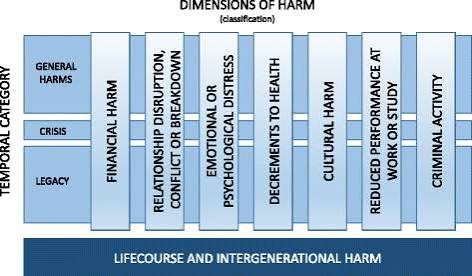
Money is only one way that gambling can affect daily life. Time, concentration, relationships, and a sense of control also matter. A person does not need to reach a dramatic financial threshold before taking a concern seriously. Educational material should leave room for early action rather than suggest that help is relevant only after a crisis.
A practical conversation starts with something observable: a missed commitment, repeated borrowing, or distress after time online. Ask an open question and listen to the answer without arguing about a person’s character. A trusted person can offer support while still setting clear boundaries around shared money, passwords, or responsibilities.
Support options vary by location and circumstance. Local public-health services, qualified professionals, and recognised gambling-support organisations can explain what is available. There is no universal self-help sequence that works for everyone. If attempts to step away repeatedly fail, seeking personal support is a reasonable next step rather than evidence of failure.
Make notes that another reader can understand
Good notes keep observations separate from conclusions. Write what appeared on the screen, when it appeared, and which part of a claim it relates to. Then explain what the observation establishes and what it cannot establish. This small discipline makes it easier to correct an error later and harder for a dramatic detail to take over the whole account.
Use plain language when discussing uncertainty. Phrases such as ‘the record does not show’ or ‘this example is hypothetical’ are often more informative than a vague confidence rating. Avoid labelling an organisation fraudulent solely because a page failed to load or a claim could not be checked. Lack of verification is a limitation, not proof of a particular explanation.
Before sharing notes, remove information that identifies private individuals or exposes account access. Share only what is necessary to explain the issue. A useful record should help another reader follow the reasoning without requiring them to open an unknown link, repeat a risky action, or accept a conclusion that the available evidence does not support.
Recognise pressure before responding to it
Messages that demand an immediate decision leave less room for ordinary checks. A timer may describe a real deadline, an advertising device, or something that restarts when a page reloads. The presence of a countdown alone does not establish which explanation is correct. Read the surrounding terms and consider whether the action would still make sense without the urgency.
Move the decision away from the message where possible. Close the advertisement, leave the chat, or set the device aside before reviewing the claim. A legitimate request should be understandable without repeated pressure. If a sender discourages independent checks, asks for secrecy, or insists that one more payment will resolve everything, those features deserve particular attention.
Protecting attention is useful even when fraud is not involved. Frequent alerts, celebratory graphics, and social approval can make a product feel more important than it is. Turning off unnecessary notifications and deciding when to review messages creates a calmer setting. Those steps do not change game outcomes; they simply reduce the number of prompts competing for a person’s response.
Read money figures as a complete account
A useful financial example starts with every payment in a defined period. Suppose someone deposits 80 units, later adds 40, and eventually withdraws 50 with nothing left in the account. The net loss is 70 units. A separate screen showing a 30-unit prize would not change that overall result. Prizes within a session and money returned to a household are not the same measure.
These figures are hypothetical, use no particular currency, and describe arithmetic rather than a suggested spending plan. They show why a selected positive number can mislead. Deposits, withdrawals, remaining balances, and outstanding charges each answer a different question. A clear explanation names the measure instead of letting the reader assume that the most colourful figure represents profit.
Time matters too. A statement covering one evening cannot describe a month, and a month cannot establish a lifelong pattern. Compare like periods and avoid counting the same funds twice when they move between accounts. If records are incomplete, say so. A partial account should lead to a qualified conclusion, not a more confident claim.
Distinguish education from a recommendation
Explaining a gambling term does not require recommending a service. A neutral article can define a concept, describe an example, and discuss limitations without directing readers to register, pay, or participate. The same distinction applies to reporting on advertisements: quoting a claim for analysis should not silently turn that claim into the article’s own advice.
Useful educational writing makes its purpose clear through its substance. It answers a specific question, uses evidence that matches the question, and avoids promises about income or guaranteed outcomes. When examples are invented to illustrate reasoning, they should be labelled as hypothetical. When no product has been tested, the article should not imply a hands-on review.
Readers can apply the same standard to information shared by others. Ask whether an explanation remains useful after the purchase link is removed. If its main purpose disappears without a call to deposit or join, the material may function primarily as advertising. That observation does not decide every claim, but it helps identify which incentives need closer scrutiny.
Frequently asked questions
Does one distracted day establish gambling harm?
No. A single observation can have many causes and should not be treated as a diagnosis.
Can someone offer support while refusing a loan?
Yes. Clear boundaries around money can be maintained alongside respectful listening and help finding appropriate assistance.
Put the explanation into practice
Lead with what you have observed, protect privacy, and allow the other person to speak. Use established confidential support routes where available. The useful outcome is a clearer conversation and appropriate help, not a label imposed on someone from limited evidence.
