
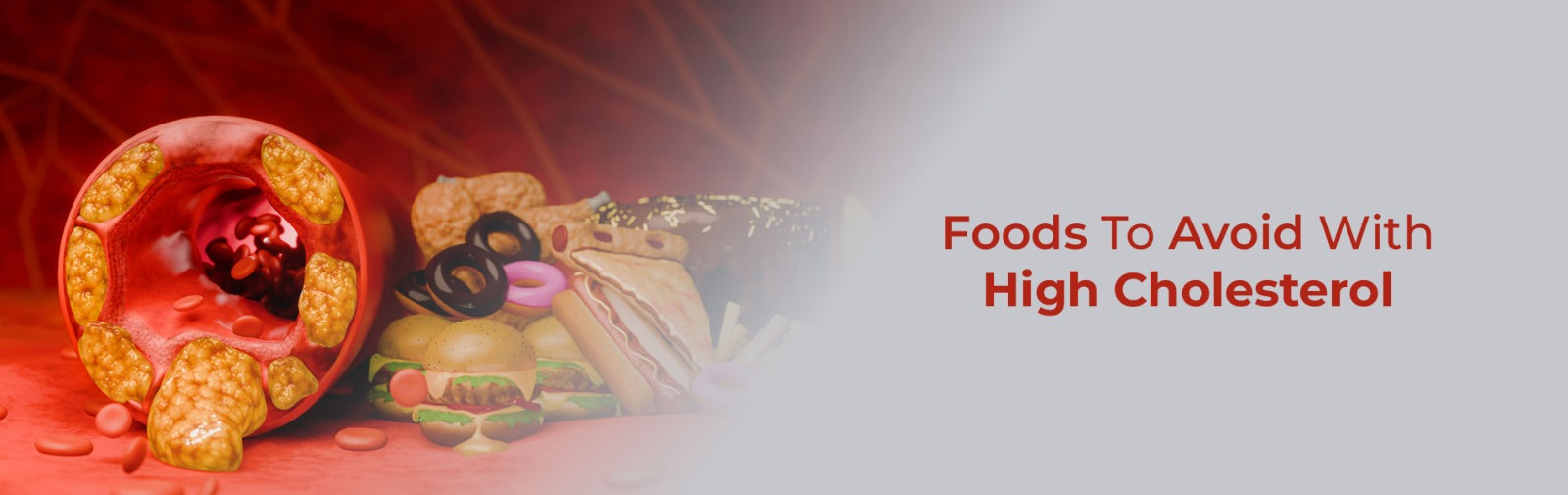
High cholesterol is one of the main causes for heart disease and stroke. But, it can be managed with healthy lifestyle changes. Following a high cholesterol diet does not mean refraining from enjoying your favourite foods! It is about making better dietary choices by avoiding foods that raise the bad cholesterol levels and adding more foods to lower their levels.
This article explains the foods to avoid with high cholesterol, causes, and the best dietary changes for a healthy heart.
Key Takeaways
- High cholesterol has no symptoms, making regular cholesterol screening important for early detection and prevention of heart disease.
- Limit foods high in saturated and trans fats, such as processed meats, fried foods, full-fat dairy, commercial baked goods, and fast food, to help lower bad cholesterol.
- Include more foods like oats, whole grains, fruits, vegetables, legumes, nuts, seeds, and healthy fats, as part of a balanced high cholesterol diet.
- Healthy lifestyle habits like regular exercise, maintaining a healthy weight, avoiding smoking, and limiting alcohol work together with a heart-healthy diet to improve cholesterol levels.
- Monitor your heart health regularly with routine lipid profile tests, if you have risk factors such as diabetes, obesity, or a family history of high cholesterol.
What Is High Cholesterol?
Cholesterol is a waxy, fat-like substance that helps the body to build cells and make hormones. The liver naturally produces enough cholesterol, and you also get it from some foods.
The two main forms of cholesterol are:
- LDL (Low-Density Lipoprotein): Referred to as bad cholesterol; Higher levels can accumulate in the arteries, causing heart diseases and stroke.
- HDL (High-Density Lipoprotein) :Known as good cholesterol; Prevents excess buildup of bad cholesterol in the blood vessels.
What Causes High Cholesterol?
There are many factors that can lead to high cholesterol. Some are lifestyle-related , while others cannot be controlled. Common causes include:
- Consuming foods high in saturated and trans fats
- Lack of physical activity
- Being overweight or obese
- Excessive alcohol consumption
- Smoking
- Diabetes
- Hypothyroidism
- Kidney or liver disease
- Genetics
- Increasing age
How Does Diet Affect Cholesterol?
The foods that you eat have a direct effect on cholesterol levels. Your diet contributes to about 20% to 30% of cholesterol levels in the blood. A diet high in saturated fats, trans fats and highly processed foods leads to high cholesterol levels. While high-fiber foods, healthy fats, and plant-based nutrients can improve heart health.
Foods to Avoid with High Cholesterol[1]
Certain foods can increase the levels of bad cholesterol. It is important to limit or avoid the intake of such foods to prevent the risk of heart diseases.
1. Processed Meats
Processed meats are among the most common high cholesterol foods because they are rich in saturated fat, sodium, and preservatives.
Examples: Bacon, Sausages, Salami, Pepperoni, Hot dogs
2. Fatty Cuts of Red Meat
Red meat from animals is high in fats which can lead to an increase in bad cholesterol levels over time.
Examples: Ribeye steak, Lamb chops, Pork ribs, Fatty minced meat
3. Fried Foods
Deep-fried foods absorb large amounts of oil. They are high in unhealthy fats and calories, which is bad for heart health.
Examples: French fries, Fried chicken, Fried snacks, Potato chips
4. Full-Fat Dairy Products
Dairy products are rich in calcium and protein. But full-fat dairy products contain high levels of saturated fats. Limit the usages of these foods in your daily diet.
Examples: Butter, Cream, Full-fat cheese, Whole milk, Ice cream
5. Bakery Foods
Many commercial baked foods contain high amounts of saturated fats, trans fats, refined flour, and added sugars.
Examples: Cakes, Cookies, Doughnuts, Pastries, Puff snacks
6. Fast Food and Processed Meals
Fast foods are one of the worst high cholesterol foods. They have huge amounts of unhealthy fats, excess sodium, and refined carbohydrates.
Examples: Burgers, Pizza, Fried chicken meals, Instant noodles, Frozen ready-to-eat meals
7. Foods High in Trans Fats
Trans fats raise LDL cholesterol while lowering HDL cholesterol. This increases the chances of heart diseases. Avoid foods made with ingredients containing high trans fats.
Examples: Partially hydrogenated oils, vegetable shortening, commercial baked goods, packaged snacks
8. Sugary Foods and Drinks
Sugar does not have a direct impact on cholesterol levels. Consuming too much added sugar can increase triglycerides, promote weight gain, and affect heart health. Limitation of sugary foods can have a long-term impact on your health.
Examples: Soft drinks, Sweetened fruit juices, Candy, Desserts
9. Excess Alcohol
Heavy alcohol consumption can increase triglyceride levels and contribute to weight gain. Discuss safe limits with your healthcare provider.
Not every food impacting cholesterol levels needs to be avoided. For many healthy individuals, moderation is more important than complete restriction. Foods to consume in moderation include egg yolks, shellfish, organ meats, coconut oil, and ghee.
Foods to Eat for Healthy Cholesterol Levels
A high cholesterol diet requires you to replace unhealthy foods with healthy alternatives. Eat these foods to lower cholesterol levels in your daily meals:
- Whole grains: Choose oats, barley, brown rice, and whole wheat. They are rich in soluble fiber that helps reduce bad cholesterol.
- Fruits and vegetables: Eat plenty of apples, oranges, berries, leafy greens and broccoli that are rich in fiber and antioxidants.
- Healthy fats: Replace saturated fats with healthy fats, found in olive oil, avocados, almonds, walnuts, flaxseeds, and chia seeds.
- Lean protein sources: Consume skinless chicken, lentils, beans, chickpeas, and tofu. Fatty fish such as salmon and mackerel are beneficial as they contain omega-3 fatty acids.
- High-fiber foods: Add fiber-rich foods like oats, beans, lentils, psyllium husk, apples, and pears to your diet. Soluble fiber helps remove excess cholesterol from the body and supports heart health.
Common Mistakes to Avoid in High Cholesterol Diet
Many people make dietary choices that can contribute to high levels of bad cholesterol. Avoid these common mistakes:
- Believing that low-fat means healthy.
- Eating large portions of healthy foods.
- Ignoring saturated fats in packaged foods.
- Drinking sugary beverages regularly.
- Depending only on medication without improving diet and lifestyle.
When Should You See a Doctor?
High cholesterol levels do not show immediate symptoms. Regular screening is important to assess your heart health. Consult your doctor for cholesterol screening if:
- Your cholesterol levels remain high despite lifestyle changes.
- You have diabetes, high blood pressure, or obesity.
- You have a family history of early heart disease.
- You experience chest pain or other symptoms related to heart disease.
- Your healthcare provider recommends cholesterol testing based on your age or risk factors.
Conclusion
The first step in managing high cholesterol levels is choosing the right foods. A balanced diet, regular physical activity, maintaining a healthy weight, and following your doctor’s advice are the most effective ways to reduce cholesterol levels and lower the risk of heart disease.
The LifeCell Diagnostics Ayushman Screen Package offers a comprehensive preventive health screening, including parameters related to heart health.
Frequently Asked Questions
1. What foods should you avoid with high cholesterol?
People with high cholesterol should limit processed meats, fried foods, full-fat dairy products, commercial baked goods, foods containing trans fats, and sugary drinks.
2. What are the best foods to lower cholesterol naturally?
Some of the best foods to lower cholesterol include oats, barley, beans, lentils, apples, berries, leafy vegetables, nuts, seeds, olive oil, and fatty fish rich in omega-3 fatty acids.
3. Can I eat eggs if I have high cholesterol?
Yes. You can eat eggs in moderation as part of a balanced diet. If you have very high cholesterol or heart disease, consult your healthcare provider for personalized dietary advice.
4. Is rice good for people with high cholesterol?
Yes. Consuming rice in moderate levels as a part of a balanced diet is healthy for people with high cholesterol.
5. Can diet alone reduce high cholesterol?
A healthy high cholesterol diet with regular exercise, maintaining a healthy weight, and avoiding smoking can lower cholesterol.
Infographic
