
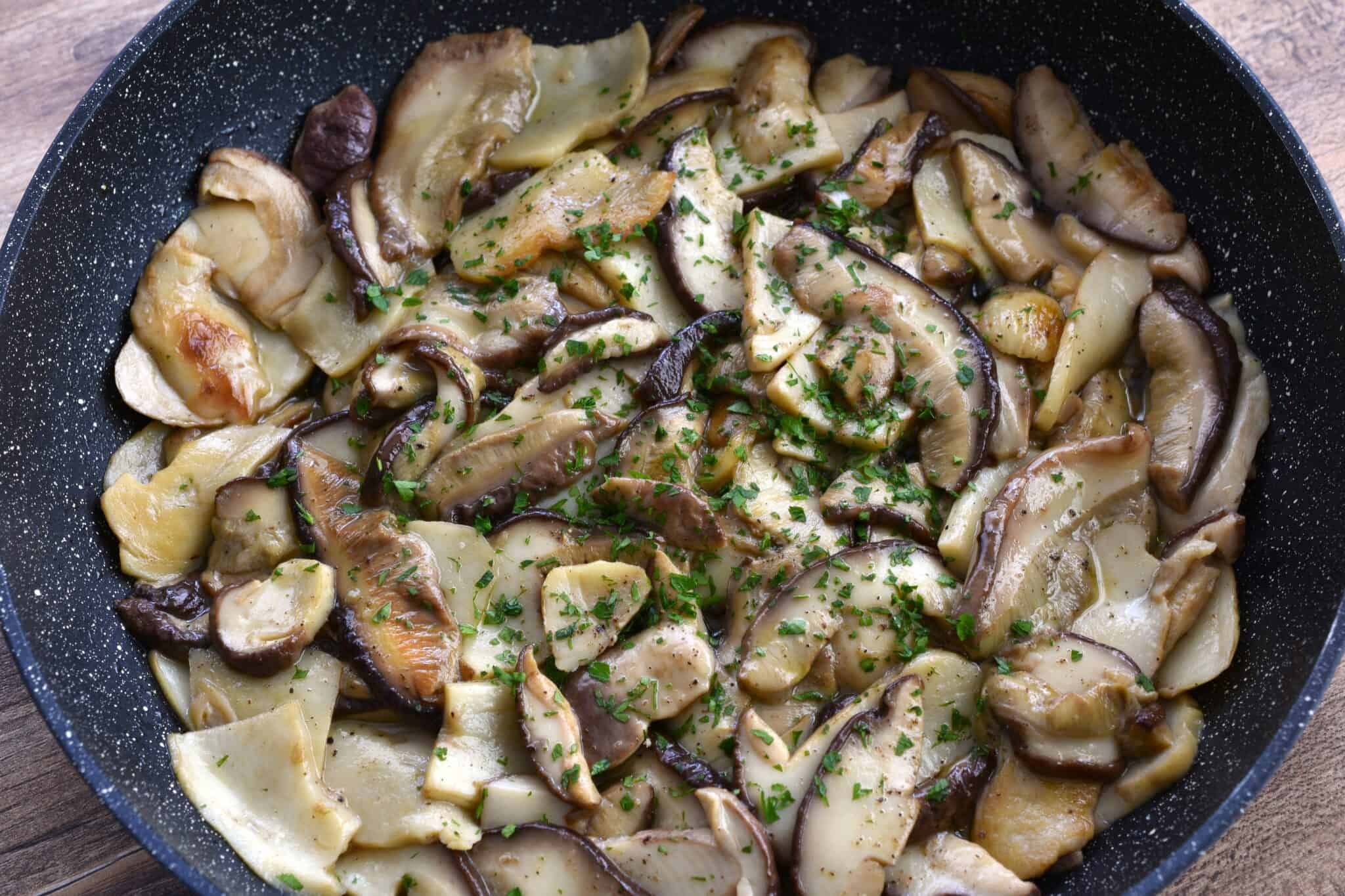
Introduction
Plant-based eating has evolved far beyond simply replacing animal products. Today, many people are choosing diets centred on vegetables, legumes, fruits, whole grains, nuts, seeds, and other minimally processed foods because they support both personal well-being and environmental sustainability. As this way of eating continues to grow in popularity, attention has also shifted toward ingredients that provide exceptional flavour, culinary versatility, and valuable nutrients without relying on highly processed alternatives.
Among these ingredients, edible mushrooms have become increasingly appreciated by home cooks, nutrition professionals, and chefs alike. Although technically fungi rather than vegetables, mushrooms naturally complement plant-based diets through their unique nutritional profile, rich umami flavour, and remarkable adaptability in everyday cooking. Whether added to soups, grain bowls, pasta dishes, stir-fries, or roasted vegetable recipes, mushrooms contribute satisfying texture and depth while fitting comfortably into balanced vegan and vegetarian meals.
Unlike many processed meat substitutes, edible mushrooms are whole foods that require very little processing before reaching the plate. They are naturally low in calories and fat while providing dietary fibre, B vitamins, minerals, and naturally occurring bioactive compounds that continue to be explored within nutrition research. Importantly, mushrooms should not be viewed as miracle foods or nutritional shortcuts. Instead, they work best as one component of a varied dietary pattern built around diverse plant foods.
Another reason mushrooms continue to gain attention is their environmental significance. Many edible species require relatively modest agricultural inputs compared with numerous animal-based foods, while responsibly wild-harvested mushrooms also encourage appreciation for healthy forest ecosystems and sustainable food sourcing.
From familiar button mushrooms to prized wild varieties such as porcini, edible mushrooms offer countless opportunities to prepare satisfying, flavourful meals without compromising nutritional balance. This guide explores why mushrooms deserve a regular place in plant-based kitchens, the nutrients they provide, how they compare with meat, and practical ways to incorporate them into everyday cooking.
What Makes Edible Mushrooms Unique?
Edible mushrooms occupy a unique place in both nutrition and culinary traditions. Unlike fruits and vegetables, mushrooms belong to the fungi kingdom, giving them biological characteristics that differ significantly from plants. This distinction contributes to their distinctive flavour, texture, and nutritional composition.
Thousands of mushroom species exist worldwide, but only a relatively small number are commonly consumed as food. Popular edible varieties include button mushrooms, cremini, shiitake, oyster mushrooms, king oyster mushrooms, lion’s mane, and wild species such as porcini. Each offers its own flavour profile, texture, and culinary applications while sharing many common nutritional characteristics.
One defining feature of edible mushrooms is their naturally occurring umami flavour. Often described as the fifth basic taste alongside sweet, sour, salty, and bitter, umami creates a deep savoury quality that enhances meals without requiring excessive amounts of salt or artificial flavourings. This makes mushrooms particularly valuable in plant-based cooking, where achieving rich, satisfying flavours is often a priority.
Mushrooms are also remarkably versatile. They can be grilled, roasted, sautéed, steamed, baked, or added to soups, sauces, stews, pasta, curries, and grain dishes. Wide varieties absorb surrounding flavours while still contributing their own distinctive character, making them suitable for cuisines from around the world.
Another notable characteristic is the diversity found among edible mushrooms. While button mushrooms provide a mild flavour suitable for everyday meals, shiitake offer a richer, smoky profile, oyster mushrooms develop a tender texture ideal for stir-fries, and porcini deliver an intense earthy aroma that has long been prized in European cuisine. This diversity allows people following plant-based diets to introduce greater variety into their meals without relying on highly processed ingredients.
From a nutritional perspective, mushrooms provide dietary fibre, essential minerals, several B vitamins, and naturally occurring antioxidant compounds while remaining relatively low in calories. Their combination of culinary appeal and nutritional value explains why mushrooms have become increasingly recognised as an important component of balanced, whole-food eating patterns.
Why Mushrooms Fit Naturally Into Plant-Based Diets
Successful plant-based eating depends on building meals that are nutritionally balanced, enjoyable, and satisfying. While legumes, whole grains, vegetables, fruits, nuts, and seeds provide the foundation of healthy vegan diets, edible mushrooms contribute qualities that few other foods can replicate.
Perhaps their greatest strength is their ability to create depth of flavour using naturally occurring umami compounds. This savoury quality makes vegetable-based dishes feel richer and more satisfying without depending on heavily processed seasonings or excessive amounts of sodium. A simple lentil stew, vegetable risotto, or whole-grain pasta can develop remarkable complexity with the addition of mushrooms.
Texture is another important advantage. Many mushroom varieties remain pleasantly firm after cooking, creating a substantial mouthfeel that complements beans, lentils, tofu, and whole grains. While mushrooms should not be viewed as direct nutritional replacements for meat, their texture often makes plant-based meals feel more complete and enjoyable.
Edible mushrooms also pair exceptionally well with staple ingredients commonly found in vegan kitchens, including:
- Lentils
- Chickpeas
- Black beans
- Brown rice
- Quinoa
- Barley
- Whole-wheat pasta
- Leafy greens
- Garlic
- Onions
- Fresh herbs
- Olive oil
These combinations naturally align with dietary patterns such as the Mediterranean diet and whole-food plant-based eating, both of which emphasise variety, minimally processed foods, and nutrient density.
Another practical benefit is accessibility. Many mushrooms are available year-round, either fresh or dried, making them an easy ingredient to keep on hand for quick, nutritious meals. Dried mushrooms, particularly porcini and shiitake, also provide concentrated flavour while requiring minimal storage space.
Importantly, mushrooms encourage dietary diversity. Nutrition experts consistently recommend consuming a wide variety of plant foods because each contributes different vitamins, minerals, fibres, and naturally occurring compounds. Including several mushroom varieties alongside vegetables, legumes, fruits, and whole grains helps create meals that are both nutritionally balanced and enjoyable to eat.
Rather than replacing other nutrient-rich foods, mushrooms work alongside them, enhancing both flavour and overall dietary quality.
Nutritional Benefits of Edible Mushrooms
Although mushrooms are often celebrated for their culinary versatility, their nutritional contribution deserves equal attention. They provide a combination of essential nutrients and naturally occurring compounds that complement balanced plant-based eating patterns.
According to USDA FoodData Central, edible mushrooms supply a range of nutrients while remaining naturally low in calories, saturated fat, and cholesterol. Because nutritional values vary slightly between species, consuming different mushroom varieties can contribute to greater dietary diversity.
Dietary Fibre
Edible mushrooms provide dietary fibre, an important component of digestive health and overall nutrition. Fibre supports normal digestive function, contributes to feelings of fullness after meals, and forms part of dietary patterns associated with long-term health.
Many people consume less fibre than recommended. Including mushrooms alongside legumes, fruits, vegetables, and whole grains is one practical way to increase overall fibre intake within a balanced vegan diet.
B Vitamins
Several edible mushrooms naturally contain B vitamins, including:
- Riboflavin (Vitamin B2)
- Niacin (Vitamin B3)
- Pantothenic Acid (Vitamin B5)
These vitamins help the body convert food into usable energy and support numerous metabolic processes. Although mushrooms should not be relied upon as the sole source of these nutrients, they contribute meaningfully within varied plant-based diets.
Essential Minerals
Mushrooms also provide several important minerals.
Selenium
Selenium functions as a trace mineral involved in normal cellular processes. Mushroom species vary considerably in selenium content depending on where they grow.
Potassium
Potassium contributes to normal muscle and nerve function and is one of the minerals frequently highlighted within healthy eating recommendations.
Copper
Copper plays a role in connective tissue formation, iron metabolism, and energy production.
Phosphorus
Phosphorus supports healthy bones and teeth while participating in many biological processes throughout the body.
Naturally Occurring Antioxidants
Edible mushrooms contain a variety of naturally occurring antioxidant compounds.
Among the most studied is ergothioneine, an amino acid with antioxidant properties found predominantly in fungi. Current nutrition research continues to investigate its biological role, although scientists agree that more research is needed before drawing conclusions about specific health outcomes.
Mushrooms also contain other naturally occurring antioxidant compounds that contribute to their nutritional profile as part of a varied, whole-food diet.
Beta-Glucans
Many edible mushrooms contain beta-glucans, a form of soluble dietary fibre present within fungal cell walls.
Research suggests beta-glucans contribute to the nutritional value of mushrooms, although concentrations vary considerably between species. Their presence is one reason mushrooms continue to receive attention within nutrition science, particularly when studied as components of healthy dietary patterns rather than individual functional ingredients.
Can Mushrooms Replace Meat?
One of the most common questions among people adopting a plant-based lifestyle is whether mushrooms can replace meat. The answer depends on what “replace” means.
From a culinary perspective, many mushrooms can successfully substitute meat in certain dishes because of their firm texture, rich umami flavour, and ability to absorb seasonings. However, from a nutritional standpoint, mushrooms should be viewed as a complementary ingredient rather than a direct replacement for meat.
Unlike legumes, soy foods, or other concentrated plant protein sources, mushrooms generally contain modest amounts of protein. While they contribute valuable nutrients, they do not provide the same overall protein content or amino acid profile as foods such as lentils, beans, tofu, tempeh, or edamame.
For this reason, nutrition professionals recommend combining mushrooms with other whole plant foods rather than relying on them as a primary protein source.
The Culinary Advantage
Where mushrooms truly excel is in creating satisfying meals.
Their naturally occurring umami compounds produce a deep savoury flavour that adds richness without depending on heavily processed ingredients. This makes mushrooms particularly valuable in vegan cooking, where developing complexity and depth of flavour can sometimes be challenging.
Many mushroom varieties also retain a pleasantly firm texture during cooking, creating meals that feel substantial while remaining entirely plant-based.
For example, mushrooms pair exceptionally well with:
- Lentils
- Chickpeas
- Black beans
- Kidney beans
- Tofu
- Tempeh
- Brown rice
- Barley
- Quinoa
- Whole-wheat pasta
These combinations create balanced meals that offer flavour, texture, and nutritional diversity.
Realistic Expectations
Rather than asking whether mushrooms replace meat, a more helpful question is how mushrooms enhance plant-based meals.
They contribute:
- Rich natural flavour
- Pleasant texture
- Dietary fibre
- Essential minerals
- B vitamins
- Culinary versatility
When combined with legumes, whole grains, vegetables, nuts, and seeds, mushrooms become an important part of balanced vegan eating patterns without needing to imitate meat entirely.
Best Edible Mushrooms for Plant-Based Cooking
One of the greatest strengths of mushrooms is the remarkable diversity they bring to the kitchen. Each variety offers its own flavour, texture, and ideal cooking methods, making it easy to create varied and satisfying plant-based meals.
Porcini Mushrooms
Porcini mushrooms (Boletus edulis) are prized for their deep earthy flavour, firm texture, and naturally rich umami profile.
Fresh porcini are available seasonally, while dried porcini remain a pantry favourite because drying concentrates their flavour without requiring additives or preservatives. Even small amounts can transform soups, risottos, pasta sauces, grain dishes, and vegetable stews.
Shiitake Mushrooms
Shiitake mushrooms are known for their robust savoury flavour and slightly chewy texture.
They work particularly well in:
- Stir-fries
- Noodle dishes
- Rice bowls
- Broths
- Asian-inspired recipes
Their rich flavour makes them a popular ingredient in plant-based cooking around the world.
Oyster Mushrooms
Oyster mushrooms have delicate caps and a tender texture.
Their mild flavour allows them to pair well with:
- Garlic
- Herbs
- Pasta
- Grain bowls
- Vegetable sautés
Because they cook quickly, oyster mushrooms are ideal for simple weeknight meals.
King Oyster Mushrooms
King oyster mushrooms are recognised for their thick stems and dense texture.
When sliced or scored before cooking, they develop an appealing bite that works well in grilled dishes, roasted vegetables, and hearty vegan entrées.
Lion’s Mane Mushrooms
Lion’s mane mushrooms have a soft, fibrous texture and a mild flavour.
They are increasingly used in plant-based cooking because they readily absorb herbs, spices, and marinades while adding visual variety to meals.
Cremini Mushrooms
Cremini mushrooms offer a slightly deeper flavour than white button mushrooms while remaining widely available and affordable.
They are suitable for:
- Pasta sauces
- Pizza
- Soups
- Stuffed vegetables
- Casseroles
Button Mushrooms
Button mushrooms remain one of the most widely consumed mushroom varieties worldwide.
Their mild flavour makes them accessible to new cooks and highly adaptable across many cuisines.
They are excellent in:
- Salads
- Omelettes
- Sandwiches
- Soups
- Stir-fries
- Roasted vegetable dishes
Choosing different mushroom varieties throughout the week not only adds flavour and texture but also increases dietary diversity, an important principle of balanced plant-based nutrition.
Why Porcini Mushrooms Stand Out
Among the many edible mushrooms available today, porcini mushrooms occupy a special place in both traditional European cuisine and modern plant-based cooking. Their distinctive flavour, firm texture, and versatility make them one of the most sought-after wild mushrooms.
Unlike many cultivated mushrooms, porcini grow naturally in temperate forests where they develop a symbiotic relationship with the roots of trees such as oak, pine, spruce, and beech. Because this ecological relationship is extremely difficult to replicate commercially, most premium porcini mushrooms continue to be responsibly harvested from the wild.
One reason chefs and home cooks value porcini is their naturally intense umami flavour. Drying concentrates this flavour even further, allowing relatively small amounts of mushroom to enrich entire dishes. After rehydration, dried porcini regain much of their original texture while producing a fragrant soaking liquid that can enhance soups, sauces, risottos, and grain-based recipes.
Their earthy aroma pairs naturally with ingredients commonly used in vegan cooking, including lentils, barley, whole-grain pasta, chickpeas, leafy greens, garlic, onions, thyme, rosemary, parsley, and extra virgin olive oil.
Because dried porcini store well for many months, they also offer a convenient way to enjoy seasonal wild mushrooms throughout the year without relying on highly processed ingredients.
Readers interested in learning more about premium dried porcini mushrooms, specialty mushroom varieties, and responsible sourcing can explore the educational resources available at PorciniMushrooms, which provides information about gourmet mushrooms, sustainable harvesting practices, and their culinary applications.
How to Include Mushrooms in Everyday Plant-Based Meals
Adding mushrooms to everyday meals does not require complicated recipes or specialised cooking skills. Their versatility makes them one of the easiest whole foods to incorporate into a balanced vegan diet.
Build Flavour Into Soups and Stews
Mushrooms naturally enhance vegetable soups, bean stews, and lentil dishes by adding depth and richness without relying heavily on processed flavourings.
Fresh mushrooms can be sautéed before adding liquid, while dried varieties such as porcini can be rehydrated and stirred directly into slow-cooked recipes.
Upgrade Grain Bowls
Whole grains such as quinoa, brown rice, barley, and farro become more satisfying when combined with roasted mushrooms, seasonal vegetables, leafy greens, legumes, and a drizzle of olive oil.
This creates meals rich in fibre, vitamins, minerals, and varied textures.
Add Mushrooms to Pasta
Mushrooms pair beautifully with whole-wheat pasta, garlic, spinach, tomatoes, walnuts, fresh herbs, and olive oil.
Instead of relying on heavy cream sauces, simple vegetable-based preparations allow the mushrooms’ natural flavour to stand out.
Create Better Stir-Fries
Button, oyster, shiitake, and king oyster mushrooms work particularly well in vegetable stir-fries.
Combined with tofu, broccoli, carrots, peppers, snap peas, and brown rice, they create quick, balanced meals suitable for busy weeknights.
Make Hearty Salads
Roasted mushrooms can add warmth and savoury flavour to salads featuring leafy greens, quinoa, chickpeas, roasted squash, pumpkin seeds, walnuts, or balsamic vinaigrette.
This transforms salads into complete meals rather than side dishes.
Combine With Beans and Lentils
Because mushrooms are not a high-protein replacement for legumes, pairing them with beans, lentils, or chickpeas creates meals that are both satisfying and nutritionally balanced.
Examples include:
- Mushroom and lentil shepherd’s pie
- Chickpea and mushroom curry
- Barley with roasted porcini
- Lentil and shiitake stew
- Whole-grain mushroom risotto
These combinations illustrate how mushrooms contribute best—not by replacing other nutritious foods, but by complementing them within diverse, whole-food plant-based meals.
Why Sustainable Foods Matter
Food choices influence more than personal nutrition—they also affect natural resources, biodiversity, and the long-term resilience of food systems. As more people embrace plant-based eating, sustainability has become an important consideration alongside flavour, affordability, and nutritional quality.
A sustainable diet is not about eliminating a single food or following strict rules. Instead, it emphasises eating a diverse range of minimally processed foods produced with respect for ecosystems, natural resources, and future generations. Fruits, vegetables, legumes, whole grains, nuts, seeds, and edible mushrooms all contribute to this broader approach.
Edible mushrooms deserve particular attention because they demonstrate how nutritious foods can also support more sustainable eating habits.
Supporting Biodiversity Through Responsible Harvesting
Some of the world’s most highly valued mushrooms, including porcini, grow naturally in forests rather than on commercial farms.
Wild mushrooms develop through complex relationships with surrounding trees, known as mycorrhizal associations. In this mutually beneficial partnership, fungi and tree roots exchange nutrients that help maintain healthy forest ecosystems.
Because these relationships cannot easily be replicated on a commercial scale, responsible harvesting practices are essential. Sustainable foragers generally:
- Harvest mature mushrooms while leaving younger specimens to continue growing.
- Minimise disturbance to surrounding soil and vegetation.
- Respect protected habitats and local harvesting regulations.
- Harvest only what is needed to help preserve natural populations.
These practices support biodiversity while allowing future generations to continue enjoying wild edible mushrooms.
Reducing Food Waste
Food waste is a significant environmental challenge worldwide. Choosing ingredients with a longer shelf life can help households reduce unnecessary waste.
Dried mushrooms are a practical example.
Unlike many fresh vegetables that spoil within days, properly stored dried mushrooms remain usable for many months while retaining their rich flavour. Home cooks can rehydrate only the quantity needed for a recipe, reducing the likelihood of unused food being discarded.
Using the mushroom soaking liquid in soups, sauces, or grain dishes further helps minimise waste while making full use of the ingredient.
Choosing Whole Foods More Often
Many people adopting plant-based diets rely heavily on highly processed meat alternatives during the transition. While these products can be useful in certain situations, nutrition experts generally encourage building meals around whole foods whenever possible.
Edible mushrooms fit naturally within this recommendation.
They require minimal processing, contribute flavour without artificial additives, and combine well with legumes, vegetables, whole grains, herbs, and healthy fats. Rather than replacing every processed ingredient, mushrooms simply make wholesome meals more satisfying and enjoyable.
Eating Seasonally and Appreciating Nature
Fresh mushrooms are seasonal in many parts of the world, encouraging greater awareness of natural growing cycles.
Dried mushrooms extend seasonal availability without requiring extensive processing, allowing people to enjoy forest-grown varieties throughout the year while reducing dependence on out-of-season produce transported over long distances.
Ultimately, sustainability is not achieved through one food alone. Instead, it develops through consistent choices that prioritise dietary diversity, responsible sourcing, reduced waste, and appreciation for natural ecosystems.
Frequently Asked Questions
Are edible mushrooms suitable for a vegan diet?
Yes. Edible mushrooms are naturally vegan and fit well within plant-based eating patterns. They provide dietary fibre, several B vitamins, minerals, and naturally occurring compounds while adding flavour and texture to meals.
Are mushrooms a good source of protein?
Mushrooms contain modest amounts of protein, but they should not be considered a primary protein source. Combining mushrooms with foods such as lentils, beans, tofu, tempeh, quinoa, and other legumes creates more nutritionally balanced plant-based meals.
Which mushroom is best for vegan cooking?
There is no single “best” mushroom. Button mushrooms are versatile for everyday cooking, shiitake provide deep savoury flavour, oyster mushrooms offer a tender texture, king oyster mushrooms are excellent for roasting, and porcini mushrooms contribute an intense earthy flavour that enhances soups, grain dishes, and pasta recipes.
Are dried mushrooms as nutritious as fresh mushrooms?
Drying primarily removes water while preserving many nutrients. Although slight changes may occur during processing, dried mushrooms retain much of their nutritional value and provide concentrated flavour, making them a practical pantry ingredient.
Why do mushrooms taste so savoury?
Mushrooms naturally contain compounds associated with umami, often described as the fifth basic taste. This characteristic creates depth of flavour and helps make plant-based meals more satisfying without relying heavily on processed seasonings.
Can mushrooms be eaten every day?
For most people, edible mushrooms can be enjoyed regularly as part of a varied, balanced diet. Nutrition experts generally recommend consuming a wide variety of plant foods rather than depending heavily on any single ingredient.
How should dried mushrooms be stored?
Store dried mushrooms in an airtight container in a cool, dry place away from direct sunlight and moisture. Properly stored, they can maintain excellent quality for many months.
Why are porcini mushrooms more expensive than other mushrooms?
Unlike button or cremini mushrooms, porcini mushrooms are primarily wild-harvested because they cannot currently be cultivated commercially on a large scale. Their seasonal availability, careful harvesting, and distinctive flavour all contribute to their premium status.
Conclusion
Edible mushrooms have earned their place in modern plant-based cooking by offering far more than distinctive flavour. They combine culinary versatility with valuable nutrients, making them a practical addition to meals centred on vegetables, legumes, whole grains, nuts, seeds, and other whole foods.
While mushrooms should not be viewed as miracle foods or complete substitutes for nutrient-rich protein sources, they contribute meaningfully to balanced eating patterns. Their dietary fibre, B vitamins, minerals, and naturally occurring antioxidant compounds complement a diverse vegan diet, while their characteristic umami flavour helps create satisfying meals using simple, minimally processed ingredients.
The variety available—from everyday button mushrooms to richly flavoured porcini, shiitake, oyster, and lion’s mane—also encourages greater dietary diversity. Exploring different species introduces new textures and flavours while making plant-based cooking more enjoyable and adaptable to a wide range of cuisines.
Sustainability is another compelling reason to include mushrooms more often. Whether choosing cultivated varieties or responsibly sourced wild mushrooms, incorporating fungi into everyday meals supports a broader approach to mindful eating that values biodiversity, reduced food waste, and appreciation for natural food systems.
Ultimately, healthy plant-based eating is not defined by any single ingredient. It is built through consistent choices that prioritise variety, balance, and whole foods. Within that framework, edible mushrooms offer an accessible, flavourful, and nutritious way to enrich everyday meals while supporting both personal well-being and a more sustainable relationship with the food we eat.
