
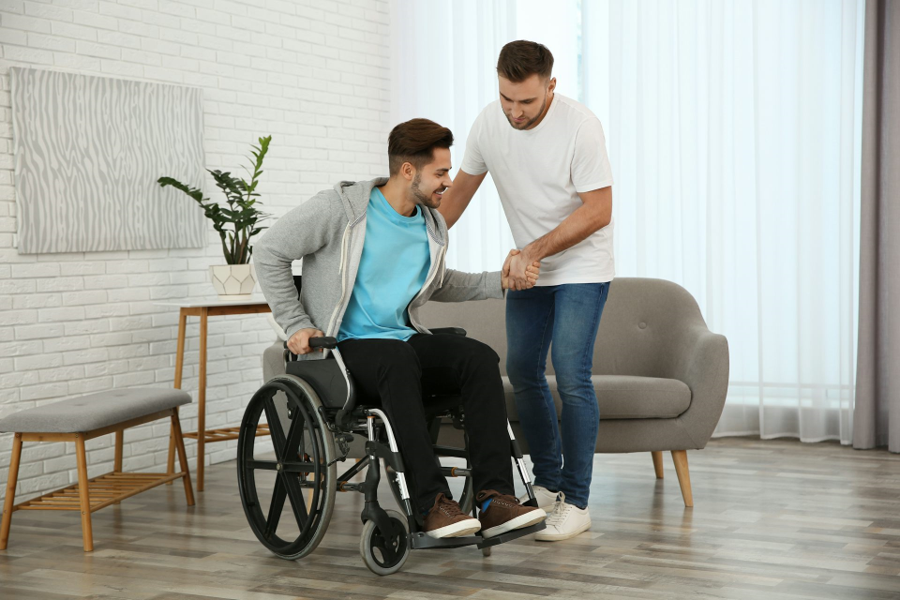
A brain injury can change almost everything about daily life. Some people lose mobility, some struggle with memory, planning and safety, and many experience a mix of physical, cognitive and behavioural changes. For those with very high support needs, ordinary housing may not be safe or workable.
That is where specialist disability accommodation, or SDA, comes in. It is a home built for people with very high support needs, and some people with a brain injury may qualify. This article explains what SDA is, how eligibility is decided, what the design types mean and how support fits in. If you are exploring SDA housing in Victoria, the points below will help you ask better questions from the start.
SDA is the building
The first thing to understand is that SDA refers to the building itself. It is the house or apartment, not the support service delivered inside it.
SDA homes have design features that ordinary homes usually lack. Depending on the home, these can include:
- Wide doorways and hallways for wheelchairs and mobility equipment.
- Strong fittings and walls that stand up to heavy use.
- Backup power so essential equipment keeps working in an outage.
- Extra space for equipment, assistive technology and support workers.
- Layouts that reduce confusion and sensory overload.
After a brain injury, these features can matter in different ways. For one person, wide doors and a ceiling hoist are essential. For another, a calm layout, durable fittings and clear sight lines are what keep them safe.
Who may be eligible
SDA funding is not available to every NDIS participant, and a brain injury alone does not make someone eligible. The NDIA decides whether SDA is reasonable and necessary for each person.
In making that decision, the NDIA looks at:
- How the disability affects the person’s daily life.
- The level of support the person needs.
- The person’s goals and the kind of home that would help them reach those goals.
- Whether other housing options could meet their needs.
Evidence carries a lot of weight. Recent reports from an occupational therapist are especially valuable, because they describe how the person functions at home, what risks exist and why specialised design is needed. Reports from neuropsychologists, rehabilitation doctors and other treating professionals can add important detail, particularly about cognitive and behavioural needs.
If you are not sure whether SDA is realistic, ask your support coordinator or therapist early. Even when SDA is not the right fit, the assessment can point towards other housing solutions.
The four design types
SDA homes fall into four design categories. Each suits different needs.
- Improved livability. These homes have better access and design features to support people with sensory, intellectual or cognitive impairments.
- Robust. These are built to be especially durable and to reduce risk for people whose behaviour may cause damage to a home.
- Fully accessible. These homes offer a high level of physical access for people who use wheelchairs or other mobility aids.
- High physical support. This is the most intensive category, designed for people with very significant physical needs. It includes features such as ceiling hoists and provision for onsite assistance.
People with an acquired brain injury sometimes need a combination of features, such as physical access along with a calm, low-stimulation environment. That makes it important to work out which category fits best. A therapist can help by looking at the person’s strengths, risks and long-term needs. This is the heart of SDA for brain injury: matching the design of the home to the person, not the other way around.
Support is separate
This is the point that confuses many families. SDA covers the home. It does not cover the people who help you live there.
Supports in the home are funded separately, usually through Supported Independent Living (SIL). SIL pays for help with daily tasks such as personal care, meals, medication, routines and community participation. For someone with a brain injury, this may also include prompting, supervision and consistent responses that follow a behaviour support plan.
The person chooses who provides that support, and they can change their mind. Living in an SDA home does not lock someone into a particular provider. This separation protects choice and control, and it means the home and the support can each be judged on their own merits.
Please note that Caring Hearts is an onsite SIL provider, not the SDA provider. It can help with the support side of living in an SDA home, while the housing itself is arranged through a separate SDA provider.
Questions to ask when exploring options
Whether you are just starting out or already have a shortlist, these questions can help:
- Does the home match the design category in the person’s plan?
- Who are the other residents, and will the household be a good fit?
- Is the location close to family, health services, transport and community activities?
- How will support be arranged, and can the person choose their own provider?
- How does the home manage noise, privacy and routines for people with cognitive changes?
- What happens if the person’s needs change in the future?
Taking time over these questions can prevent problems later and help the person feel confident about the move.
Preparing your evidence
A strong application starts with good information. If you are considering SDA, begin by gathering:
- Recent occupational therapy assessments of function and home risks.
- Reports from other treating professionals, such as neuropsychologists or rehabilitation doctors.
- Notes on incidents, falls, hospital visits or situations where current housing has not worked.
- A clear statement of the person’s goals, in their own words where possible.
It also helps to involve the person throughout. Their views about where they want to live, who they want to live with and what matters to them should shape every step.
Key points to remember
- SDA is the building. It has design features such as wide doors or strong fittings, and it is not the support service.
- The NDIA decides if SDA is reasonable and necessary, looking at daily life, support needs and goals.
- There are four design types: improved livability, robust, fully accessible and high physical support.
- Supports in the home are funded separately, usually through SIL, and the person can choose their provider.
Taking the next step
The right home can bring safety, dignity and more independence after a brain injury. But it only works when the housing and the support are chosen with care, and when the person is at the centre of the decision.
If you are considering SDA, talk to your support coordinator, gather recent reports and speak with providers early about your options. Early conversations leave more time to understand what is possible and to prepare a strong case.
About the author
Caring Hearts Home Care is a registered NDIS provider in Melbourne. Visit caringhearts.com.au or call 1800 844 995.
