
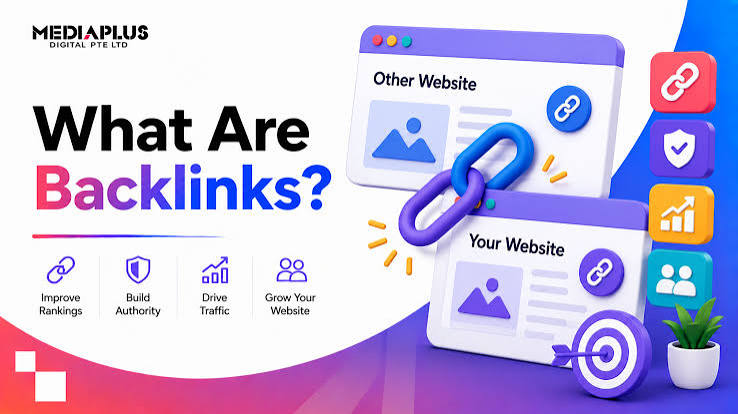
Backlinks can help people discover a website and give search engines clues about its reputation. But a large backlink count is not automatically a good sign. Some links may be irrelevant, broken, or created in ways that put a site at risk. A regular audit helps you understand what is pointing to your pages, spot problems early, and choose a sensible next step instead of reacting to a single alarming metric.
You do not need to remove every unfamiliar link or chase a perfect score. The aim is to build an accurate picture, investigate links that look genuinely concerning, and keep records of any changes. Here is a practical process for doing that in 2026.
What a Backlink Audit Checks
A backlink audit reviews links from other websites to yours. It looks at where those links appear, which pages they point to, whether they are relevant, and whether they seem editorially earned or deliberately manipulated. It can also reveal useful links you might otherwise overlook, such as mentions of your business that could send visitors or support a partnership.
Audit tools estimate link quality using their own data and formulas. Treat those scores as prompts for investigation, not as a verdict from a search engine. A low score alone does not prove a link is harmful, and a high score does not guarantee that a link is valuable.
Step 1: Set a Clear Scope
Before opening a tool, decide what you need to learn. A small business might want to check whether a recent publicity campaign attracted links. A site recovering from a sharp decline may need to compare its backlink profile over time. A new marketing team may simply need a baseline.
Record the domain or subdomains you will review, the date of the audit, and the issue you are investigating. If you manage several related sites, keep their data separate. This makes it easier to compare like with like and prevents a normal change in link counts from being mistaken for a serious problem.
Step 2: Gather More Than One View
Use a backlink platform to export links, referring domains, destination pages, anchor text, and, where available, first-seen dates. If you have access to your search performance and site security reports, check those as well. Each source has different coverage, so no single tool should be treated as a complete record.
Save the raw exports before sorting or deleting rows. Include the date and tool used in the file name. For a more detailed walkthrough of the process, see this backlink audit guide.
Step 3: Look for Patterns, Not Just Scores
Start by grouping links by referring domain and destination page. A hundred links from one site may be less meaningful than a handful of independent mentions from relevant publications. Check whether several unrelated domains use the same exact-match anchor text, whether links point to pages that no longer exist, and whether a sudden increase coincides with a campaign or a technical change.
Then visit a sample of the linking pages. Ask whether the page is real and accessible, whether it has a clear purpose, and whether the link makes sense in context. A relevant link in an article can be useful even if the referring site is small. A link placed on a page filled with unrelated keywords deserves closer attention.
Step 4: Classify What You Find
Use simple categories so the team can act consistently:
- Useful: relevant, genuine links that may send visitors or provide a meaningful citation.
- Neutral or unclear: links with little apparent value but no strong evidence of manipulation.
- Needs investigation: unusual patterns, questionable placements, or links that appeared in a suspicious burst.
- Broken opportunity: a relevant link that points to an error page or an outdated destination.
Keep notes about why each group was assigned. Do not label a site harmful simply because its design looks dated or its metrics are modest. Context matters more than appearance.
Step 5: Choose a Proportionate Response
For broken links, first check whether the destination has moved and whether a suitable redirect or replacement page exists. For a genuine editorial mention, a polite request to correct a dead URL may be worthwhile. If you find links that appear to be part of a deliberate scheme, document examples and review the search engine’s current guidance before taking action.
A disavow file is not a routine cleaning tool. Using one without a clear reason can create unnecessary work and risk. When there is a manual action or convincing evidence of extensive manipulative links, get qualified advice and keep a record of the investigation, outreach, and any submitted changes.
Step 6: Make Audits Part of a Routine
There is no single schedule that fits every website. A smaller site with a steady profile may review links a few times a year, while a business running frequent campaigns may check more often. Repeat the same export and comparison process so you can distinguish gradual growth from sudden changes.
Backlink review is one part of a broader marketing plan. Teams that divide work between in-house staff and outside specialists can use a clear brief to define who monitors organic links, who manages freelance paid advertising, and how results are reported. Osdire’s introduction to freelance digital marketing explains the range of work a freelancer may handle and how those arrangements function.
Common Mistakes to Avoid
- Chasing a score: use tool metrics to guide questions, not to define success.
- Removing links too quickly: investigate the page and context before contacting a site owner or using a disavow file.
- Ignoring good links: note useful mentions and pages that attract attention, not just suspicious patterns.
- Auditing without a baseline: save dated exports so changes can be compared fairly.
- Expecting instant results: a link change does not guarantee a ranking change, and search performance has many causes.
Final Thoughts
A useful backlink audit is careful, documented, and proportionate. Gather data from reliable sources, inspect patterns in context, and make changes only when there is a sound reason. Over time, this approach helps you protect your site, find practical opportunities, and make decisions based on evidence rather than fear of a single metric.
