
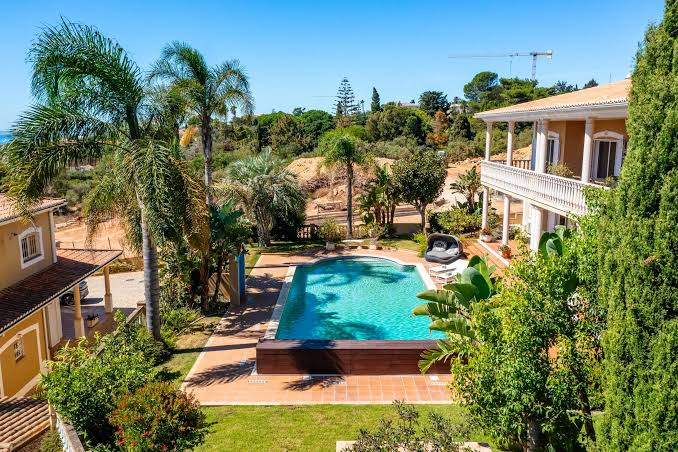
Owners who let a property in the Algarve spend a lot of time thinking about the property itself, the furnishings, the pool, the view. Guests, it turns out, make their booking decision through a narrower set of signals, most of them visible in the first thirty seconds of scanning a listing. Understanding that decision process is useful for any owner in 2026, because small changes aligned to how guests actually choose tend to move occupancy more than expensive refurbishments do.
The photograph does most of the work
The lead image decides whether a guest clicks at all. On the major platforms a strong, bright, well-composed hero shot of the most appealing feature, usually the pool terrace or a sea view, is the difference between a listing that gets opened and one that scrolls past. Professionally photographed properties consistently outperform phone snaps taken on a dull day. This is the cheapest, highest-return improvement most owners can make.
The rating and the review count together
A high star rating matters, but so does the number of reviews behind it. A 4.9 from six stays reassures less than a 4.7 from ninety. Guests read the recent written reviews closely, particularly anything mentioning cleanliness, accuracy of the listing, and how responsive the host was. A property that is professionally managed tends to accumulate reviews faster and hold a steadier rating, because turnarounds and guest communication are handled consistently rather than in an owner’s spare time.
Location described in guest terms
Guests browsing Algarve holiday rentals are usually thinking in terms of walking distance to a beach, minutes to a supermarket, and how far the airport transfer runs. Listings that answer those questions plainly, rather than describing the region in tourist-brochure language, convert better. Precise, honest location detail also reduces disappointed arrivals, which protects the rating.
Clarity on the practical terms
Before booking, guests want to know what they are committing to. Clear information on the deposit, check-in process and cancellation terms reduces booking hesitation. Managed Algarve properties often work to a defined structure, for example a booking deposit with cancellation charges rising as arrival approaches, fifty per cent of the accommodation cost at four to six weeks out, seventy-five per cent at two to four weeks, and the full cost within fourteen days. Presenting terms like these plainly builds trust rather than deterring bookings.
Response speed and communication
Guests increasingly expect a fast reply to an enquiry, and the platforms reward it. A property that answers questions within an hour or two, before and during the stay, tends to convert more enquiries into bookings and earns warmer reviews. Slow or patchy communication, common when an owner is juggling the property alongside a day job in another country, quietly costs bookings that never show up as a visible loss. Consistent, prompt handling of messages is one of the least glamorous but most reliable drivers of occupancy.
Price and perceived value
Guests weigh price against everything else on the page. A property priced slightly above a weaker-looking competitor can still win the booking if its photographs, reviews and description justify the difference. The mistake owners make is competing on headline price alone, when the real lever is perceived value, the sense that the property is worth what it asks. Presentation, reviews and clear terms all feed that perception, which is why they matter more than shaving a few euros off the nightly rate.
What this means for owners
- Invest in professional photography before anything else.
- Prioritise a steady stream of reviews over chasing a perfect but thin rating.
- Describe location in the practical terms guests search on.
- State deposit and cancellation terms clearly rather than burying them.
The properties that fill their calendars in 2026 are rarely the most expensive ones. They are the ones presented in the way guests actually make decisions. Owners who cannot manage that presentation themselves, which is most owners letting from abroad, tend to see the benefit of consistent professional handling reflected directly in occupancy.
