
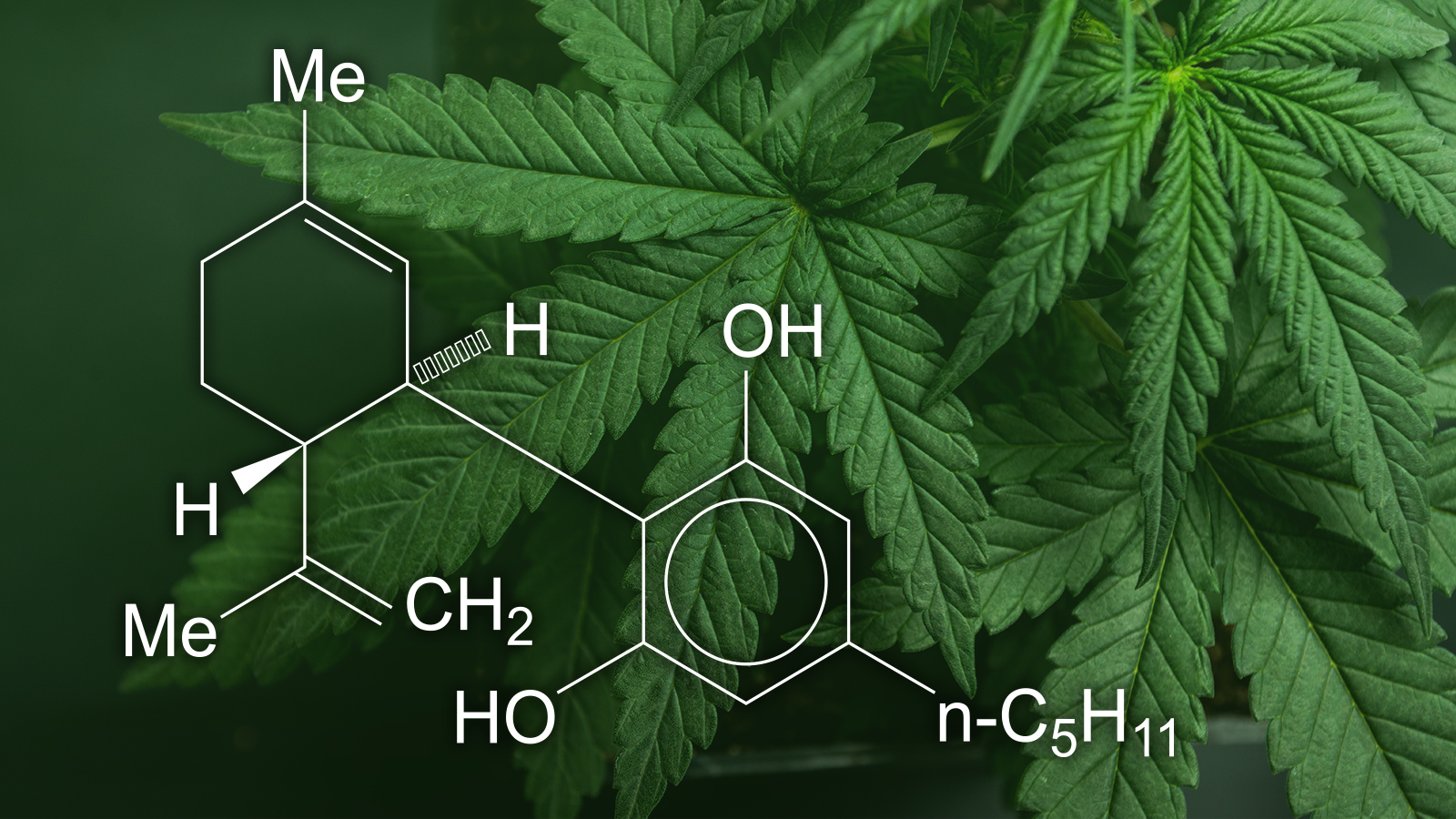
The modern wellness landscape is increasingly embracing natural, plant-based solutions, and among these, CBD oil has emerged as a standout product. Derived from hemp plants, CBD oil contains hemp-derived cannabinoids that are widely appreciated for their versatility and compatibility with everyday wellness routines. Understanding the fundamentals of plant-based CBD oil and the role of cannabinoids is essential for those seeking to integrate these products into a holistic lifestyle.
What Is Plant-Based CBD Oil?
Plant-based CBD oil is a natural extract derived from the hemp plant, a variety of Cannabis sativa. It contains cannabidiol (CBD), a non-psychoactive compound, meaning it does not produce the “high” commonly associated with marijuana. This characteristic makes CBD oil suitable for daily use as part of a wellness-focused lifestyle.
CBD oil is produced by extracting cannabinoids from the hemp plant and combining them with a carrier oil, such as MCT oil, hemp seed oil, or olive oil. This creates a versatile product that can be consumed sublingually, added to foods and beverages, or incorporated into topical formulations.
Understanding Hemp-Derived Cannabinoids
Cannabinoids are naturally occurring chemical compounds found in cannabis plants. Hemp-derived cannabinoids, including CBD, interact with the body’s endocannabinoid system (ECS), which helps regulate essential physiological functions such as sleep, mood, appetite, and stress response.
Unlike THC, which is the psychoactive cannabinoid in marijuana, CBD and other hemp-derived cannabinoids do not impair cognitive function. Instead, they work indirectly with the ECS to support balance and overall wellness. This makes hemp-derived cannabinoids ideal for those seeking plant-based, non-intoxicating wellness solutions.
Types of CBD Oil
Plant-based CBD oil is available in several formulations:
- Full-Spectrum CBD Oil: Contains a range of cannabinoids, terpenes, and trace amounts of THC within legal limits. This combination may enhance effects through the “entourage effect.”
- Broad-Spectrum CBD Oil: Includes multiple cannabinoids but removes THC entirely, offering a non-psychoactive option with the benefits of additional plant compounds.
- CBD Isolate: Pure cannabidiol without other cannabinoids or plant compounds, suitable for those who prefer a single-ingredient product.
Each type has its own advantages, and selection depends on personal preference, sensitivity to THC, and wellness goals.
Benefits of Plant-Based CBD Oil
Plant-based CBD oil is increasingly popular due to its versatility and compatibility with wellness routines. Many users incorporate CBD oil to support:
- Relaxation and Mindfulness: CBD oil can complement meditation, yoga, or evening routines aimed at stress reduction and mental clarity.
- Daily Balance: Regular use may help maintain a sense of equilibrium in everyday life, supporting healthy routines.
- Post-Activity Recovery: Some individuals use topical or ingestible CBD products to support physical recovery after workouts or active days.
- Skincare and Self-Care: CBD-infused creams and balms are commonly used in skincare routines for hydration and soothing sensations.
It is important to note that CBD oil is not a medical treatment or cure, but rather a plant-based supplement that can support holistic wellness practices.
Quality and Safety Considerations
With the growing popularity of CBD oil, quality and transparency are critical. Reputable brands ensure their products are:
- Third-Party Tested: Laboratory verification confirms cannabinoid content and ensures products are free from pesticides, heavy metals, and solvents.
- Organically Sourced: Hemp grown without synthetic chemicals supports both product purity and sustainable farming practices.
- Accurately Labeled: Clear information on cannabinoid concentration, dosage, and ingredients helps consumers make informed choices.
It is recommended to start with a low dose and adjust gradually, observing individual responses. Consulting a healthcare professional is advised for those taking medications or managing specific health conditions.
Legal and Regulatory Overview
Hemp-derived CBD oil is legal in many countries, provided THC levels remain below a specified threshold. However, regulations can vary regarding labeling, marketing, and distribution. Understanding local laws is essential for responsible use and purchase.
Integrating Plant-Based CBD Oil into Daily Wellness
Plant-based CBD oil aligns naturally with holistic wellness practices. Its botanical origin complements lifestyles that emphasize natural ingredients, mindfulness, and sustainability. Many users combine CBD oil with balanced nutrition, exercise, meditation, and other plant-based supplements to support overall well-being.
The versatility of CBD oil allows it to fit into multiple aspects of daily life. Whether used as a tincture in the morning, added to a smoothie, or applied as a topical cream, plant-based CBD oil offers flexibility for a modern wellness routine.
Conclusion
Plant-based CBD oil and hemp-derived cannabinoids have become essential elements of natural wellness routines. By understanding the basics of CBD oil, its types, uses, and quality considerations, consumers can make informed decisions about incorporating these products into daily life. While not a medical solution, plant-based CBD oil offers a versatile, non-intoxicating approach to supporting balance, relaxation, and mindful living.


