
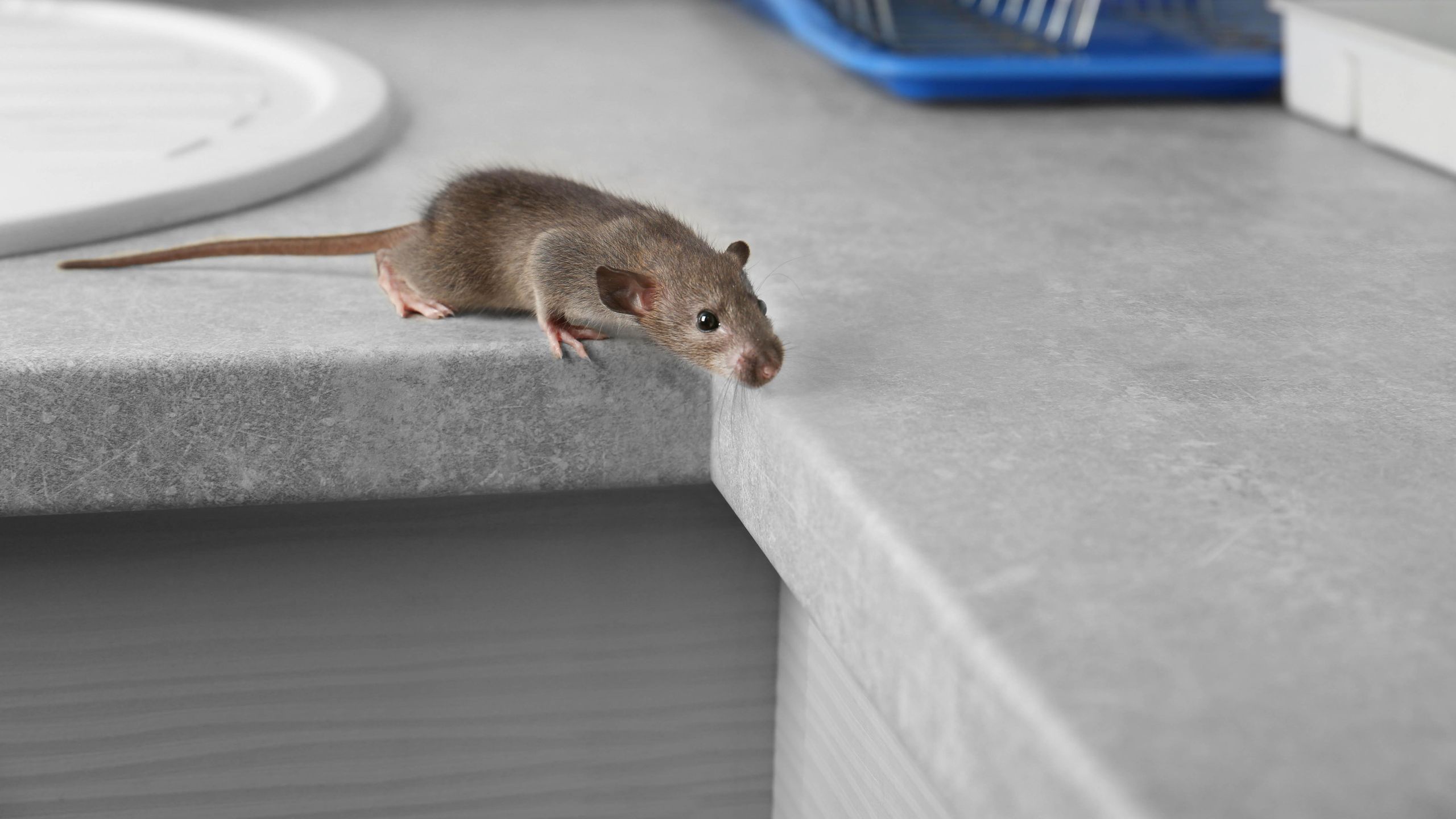
Winnipeg winters are among the most severe in Canada. When temperatures drop below -20°C and the deep freezes settle in for weeks at a time, mice are not looking for food – they are looking for survival. And the warm, food-stocked interiors of Winnipeg homes offer exactly what they need. This is not a pest problem unique to older or poorly maintained homes. It is a biological reality of living in a climate where mice must move indoors or perish, and the only real variable is whether your home’s defenses are good enough to keep them out.
For the homeowners who discover mice – usually through droppings in the kitchen, scratching sounds in the walls at night, or a gnawed food package in the pantry – the question is not why this happened. It is what to do about it now, and how to make sure it does not happen again.
Progressive Pest Management has handled rodent problems across Winnipeg and Calgary for years, providing Trusted Pest Control Services that eliminate the current infestation and address the entry points that allowed it to develop. Here is a complete, honest guide to understanding and resolving a mouse problem in your Winnipeg home.
Why Are Mice Such a Common Problem in Winnipeg?
The mouse problem in Winnipeg is not a reflection of housekeeping standards – it is a reflection of geography and climate. Several factors specific to Winnipeg make residential mouse intrusion particularly common.
Extreme Cold Drives Mice Indoors The house mouse and the deer mouse – the two species most commonly found in Winnipeg homes – cannot survive extended exposure to Winnipeg’s deep winter temperatures. As outdoor temperatures fall in October and November, mice begin actively seeking indoor shelter. They do not need a large opening to enter a home – a gap the size of a dime is sufficient for a mouse to squeeze through. Most Winnipeg homes have multiple such gaps, even if they appear well-maintained from the outside.
Urban and Suburban Habitat Winnipeg’s combination of older housing stock, mature tree coverage, and proximity to parks and green spaces creates ideal conditions for mice to thrive near homes in significant numbers. The mice that enter homes during winter have typically been living in the immediate vicinity of the property throughout the warmer months – foraging in gardens, nesting in wood piles, and becoming familiar with the structure long before cold weather motivates them to move inside.
Reproduction Rate A single female mouse can produce 5 to 10 litters per year, with 5 to 6 pups per litter. A pair of mice that enters a home in October can become dozens by February if the problem is not addressed promptly. This reproductive capacity is why early detection and immediate action matter so much in Winnipeg’s rodent control context.
What Are the Signs of a Mouse Infestation in a Winnipeg Home?
Mice are nocturnal and naturally cautious – which means the signs of an infestation are often more visible than the mice themselves.
Droppings Mouse droppings are the most common and most reliable indicator of an active infestation. They are small – roughly the size of a grain of rice – and found most frequently near food sources, along walls, and in dark corners where mice travel regularly. Fresh droppings are dark and moist. Older droppings are dry and gray.
Gnaw Marks Mice gnaw constantly – both to access food and to keep their ever-growing incisor teeth worn down. Gnaw marks on food packaging, electrical wiring, wooden furniture, and structural elements are all signs of mouse activity. Gnawed electrical wiring is a genuine fire hazard and one of the most serious consequences of an unaddressed mouse infestation.
Scratching Sounds Scratching, scurrying, and rustling sounds in walls, ceilings, and under floors – typically heard at night when the household is quiet – are consistent with mouse movement within the building’s structure.
Nesting Material Mice build nests from shredded soft materials – paper, fabric, insulation, and similar materials. Nesting material found in quiet, undisturbed areas of the home – inside wall voids accessed through small openings, behind appliances, or in storage areas – indicates an established nesting site.
Tracks and Runways Mice travel the same routes repeatedly, leaving grease marks along walls and baseboards where their fur makes consistent contact. In dusty areas, footprints and tail drag marks may be visible.
Can You Get Rid of Mice Without Professional Help?
This is a question worth answering honestly. Snap traps and store-bought bait stations can reduce the mouse population in a home – but they rarely resolve a mouse problem permanently for two important reasons.
They Address the Symptom, Not the Source Traps and bait stations eliminate individual mice. They do not seal the entry points that are allowing new mice to enter the home. Without exclusion – the physical sealing of gaps, cracks, and openings in the building envelope – a home that attracts mice will continue to attract mice regardless of how many are caught inside.
They Miss the Full Population Mice are cautious around new objects in their environment – a behavior called neophobia. Store-bought traps placed by homeowners without knowledge of mouse movement patterns frequently miss a significant portion of the population. Professional rodent control combines correctly placed traps and bait with an understanding of mouse behavior that improves capture rates substantially.
The Population Grows Faster Than Traps Catch Given a mouse’s reproductive rate, a slow trap-based approach can fail to reduce the population faster than it is growing – particularly if the initial infestation is already established with a nesting site inside the structure.
Progressive Pest Management’s rodent control approach combines targeted treatment to eliminate the current population with physical exclusion and prevention advice that addresses the conditions allowing mice to enter and establish – producing results that last rather than results that need to be repeated every winter.
How Does Progressive Pest Management Resolve a Mouse Problem?
Progressive Pest Management approaches every rodent problem through their three-step inspect, treat, protect process – tailored specifically to the conditions of the Winnipeg property and the specific nature of the infestation.
Inspection The inspection identifies where mice are active, where they are likely nesting, and – critically – where they are entering the home. Entry point identification is the most important step in achieving lasting rodent control, and it requires a thorough examination of the building’s exterior, foundation, utility penetrations, roofline, and any areas where the building envelope has gaps that mice can exploit.
Treatment Targeted rodent treatments are applied based on the inspection findings – including correctly placed traps, bait stations where appropriate, and the specific approaches most effective for the size and location of the infestation.
Protection After treatment, Progressive Pest Management provides follow-up prevention advice and where applicable, exclusion work – physically sealing the entry points identified during the inspection. This step is what separates a treatment that resolves the problem from one that simply reduces it temporarily.
All rodent control treatments are backed by Progressive Pest Management’s 100-day guarantee – providing documented accountability for the results they deliver.
Frequently Asked Questions About Mouse Control in Winnipeg
When is the best time to address a mouse problem in Winnipeg? The best time to address a mouse problem is as soon as it is discovered – before the population has time to grow and before nesting becomes established throughout the structure. Pre-winter exclusion work in September and October can prevent mice from entering in the first place, which is always the most efficient approach.
Are Progressive Pest Management’s rodent treatments safe for children and pets? Yes. Progressive Pest Management uses eco-friendly, family-safe, pet-safe products – selected specifically to address rodent problems without creating health concerns for the people and animals in the home.
How quickly can Progressive Pest Management respond to a mouse problem in Winnipeg? Progressive Pest Management provides same-day service including evenings and weekends – so a mouse problem discovered on a Friday evening does not have to wait until Monday morning to be addressed.
How do I prevent mice from entering my Winnipeg home? The most effective prevention is physical exclusion – sealing the gaps, cracks, and openings that allow mice to enter the structure. Progressive Pest Management provides prevention advice and exclusion guidance as part of their protect phase, helping Winnipeg homeowners reduce the conditions that make their homes vulnerable to mouse intrusion.
Does Progressive Pest Management handle mice in commercial properties in Winnipeg? Yes. Progressive Pest Management provides rodent control for both residential and commercial properties in Winnipeg – with customized plans appropriate to the specific requirements and sensitivity of each business environment.
A mouse problem in a Winnipeg home is not a sign of failure – it is a predictable consequence of living in one of Canada’s coldest cities. What matters is how quickly and completely the problem is resolved, and whether the treatment addresses the entry points that will allow the problem to return next winter if left unsealed. Progressive Pest Management has spent years helping Winnipeg homeowners resolve rodent problems the right way – with treatments that work, exclusion that lasts, and a 100-day guarantee that stands behind every job. If mice have found their way into your home, their team is ready to help.


