
Construction sites are one of the most high-risk environments as they are highly vulnerable to fire hazards. Fires incidents are widely recognized as low-frequency but high-consequence events. Each year, fires on construction sites lead to substantial property damage, cause serious injuries, and, in some cases, result in loss of precious life.
While they may not occur daily, when they do, the impact can be catastrophic, resulting in property damage, project delays, personal injuries, fatalities, construction claims, litigation, and long-term reputational harm. Importantly, most construction-related fires are preventable through proper planning, accountability, and adherence to established fire safety standards.
Let’s explore the importance of fire safety on construction sites, fire control measures and best practices for contractors to prevent fire-related claims.
Fire Safety – Why Does It Matters in Construction?
Fire safety in construction refers to the systematic measures, controls, and management practices implemented to prevent, control, and respond to fire hazards on construction and refurbishment sites. Considering the high-risk nature of construction environments, constantly changing site conditions, and the presence of combustible materials, fire safety must be treated as a critical risk-management priority rather than a compliance afterthought.
Hot works, temporary electrical systems, flammable materials, poor housekeeping, and incomplete fire protection systems create ideal conditions for fire ignition and rapid spread. Unlike completed buildings, construction sites lack permanent fire detection, compartmentation, and suppression systems, which significantly increases vulnerability.
The consequences of construction fires extend beyond the project itself. Fires may:
- Damage adjacent properties
- Disrupt nearby businesses and community operations
- Endanger workers, first responders, and the public
- Trigger insurance disputes and construction claims
- Result in regulatory enforcement actions and fines
- Damage the credibility and future prospects of contractors and developers
From a legal and commercial perspective, contractors have a duty of care to identify fire risks, implement control measures, and ensure ongoing compliance throughout the construction lifecycle to prevent any loss and help in dispute avoidance.
Fire Safety Plan: The Foundation of Risk Management
Having an effective fire safety plan in the first place is essential to preventing construction site fires. Contractors must ensure the plan is site-specific, documented, and actively enforced.
Key Components of a Fire Safety Plan
- Fire Risk Assessment: Identify ignition sources, fuel loads, vulnerable areas, and potential fire spread paths.
- Roles and Responsibilities: Clearly define accountability for fire safety at all levels, including subcontractors.
- Emergency Procedures: Establish evacuation routes, assembly points, and communication protocols.
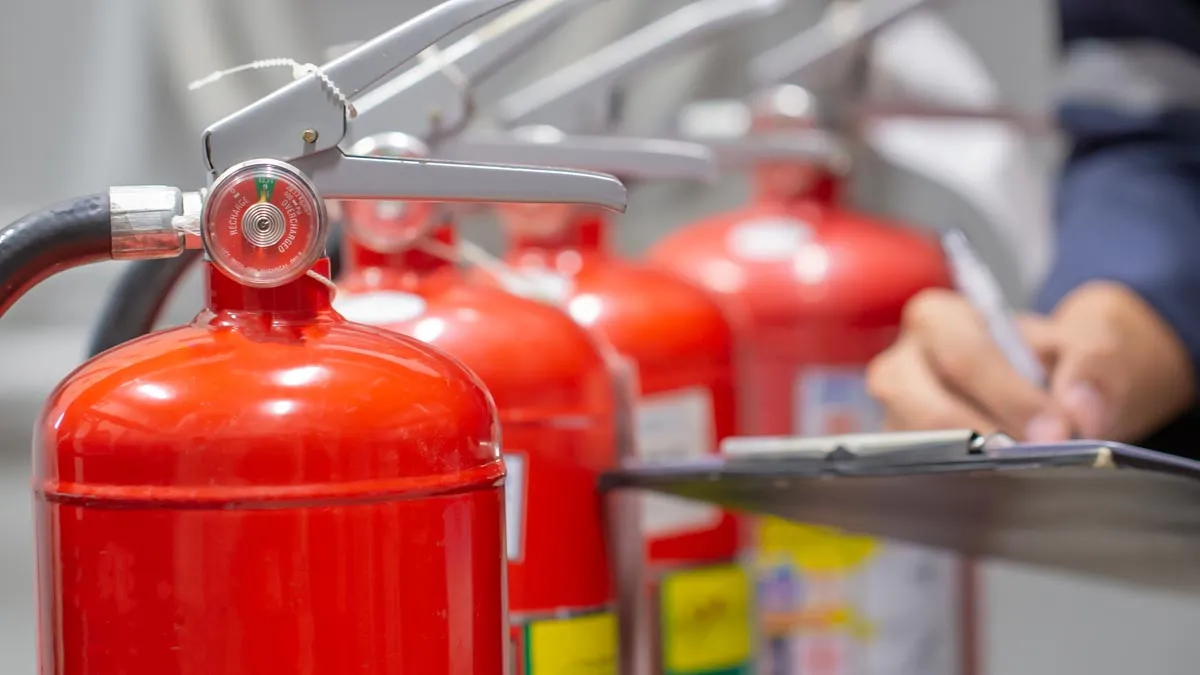
- Firefighting Equipment: Ensure adequate and accessible fire extinguishers suitable for site-specific hazards.
- Hot Work Controls: Implement permit-to-work systems for welding, cutting, and grinding activities.
- Training and Awareness: Provide regular fire safety training and toolbox talks for all site personnel.
- Monitoring and Review: Update the plan as site conditions evolve.
A fire safety plan is not static. It must be reviewed continuously as construction phases change.
Fire Safety Hazards in Construction
Contractors must be aware of common fire hazards, including:
- Hot Works: Welding, torch cutting, and grinding are leading ignition sources.
- Temporary Electrical Installations: Poorly maintained wiring, overloaded circuits, and damaged equipment.
- Flammable Materials: Fuels, solvents, adhesives, insulation, packaging, and waste materials.
- Poor Housekeeping: Accumulation of combustible debris and unmanaged waste.
- Smoking and Open Flames: Uncontrolled ignition sources on site.
- Incomplete Fire Protection Systems: Sprinklers, alarms, and compartmentation not yet operational.
- Arson and Unauthorized Access: Especially during off-hours or in unsecured sites.
Identifying and controlling these hazards is essential to minimizing fire risk and avoiding claims.
Fire Control Measures During Construction
Effective fire control during construction requires layered protection:
Prevention
- Strict hot work permit systems
- Safe storage and segregation of flammable materials
- Regular inspection and maintenance of electrical systems
- Smoking restrictions and designated areas
- Good housekeeping practices
Detection
- Temporary fire detection and alarm systems where feasible
- Regular patrols and site inspections
- Clear reporting procedures for hazards and near-misses
Suppression
- Adequate distribution of portable fire extinguishers
- Training workers in extinguisher use
- Ensuring access routes for emergency services remain clear
Site Security
- Controlled access to prevent vandalism or arson
- Adequate lighting and fencing
- After-hours fire watch where required
Essential Best Practices to Prevent Fire-Related Claims
To minimize losses and construction claims, contractors should adopt the following best practices:
- Integrate fire safety into project planning from day one
- Assign a competent fire safety coordinator
- Enforce subcontractor compliance through contracts and supervision
- Document inspections, permits, and training records
- Coordinate with designers to ensure early installation of fire protection systems where possible
- Engage insurers and fire authorities during high-risk phases
- Conduct regular audits and corrective actions
Experts in construction Project Advisory in the UAE market believe that these practices not only reduce fire risk but also demonstrate due diligence in the event of a claim or investigation.
Fire Safety Regulations and Legal Obligations
Fire safety regulations are designed to protect life, property, and the built environment. While specific requirements vary by jurisdiction, contractors are generally required to comply with:
- Building codes and fire codes
- Occupational health and safety legislation
- Temporary works and site safety regulations
- Insurance and contractual fire protection clauses
Understanding and applying these regulations is essential to maintain legal compliance and avoid penalties, project delays, and enforcement notices. Following fire safety regulations can help reduce exposure to construction claims and ensure insurability throughout the project Failure to comply with fire safety obligations is a common contributing factor in construction-related claims and litigation.
Conclusion
Fire safety in construction is a shared responsibility that demands proactive planning, disciplined execution, and continuous oversight. While construction site fires are relatively infrequent, their consequences can be devastating, financially, legally, and socially.
For contractors, effective fire safety management is not merely about regulatory compliance; it is a strategic approach to protecting workers, safeguarding assets, maintaining project continuity, and preventing costly construction claims. By adhering to established codes, implementing robust fire safety plans, and fostering a culture of accountability, contractors can significantly reduce fire risk and deliver projects safely and successfully.


