
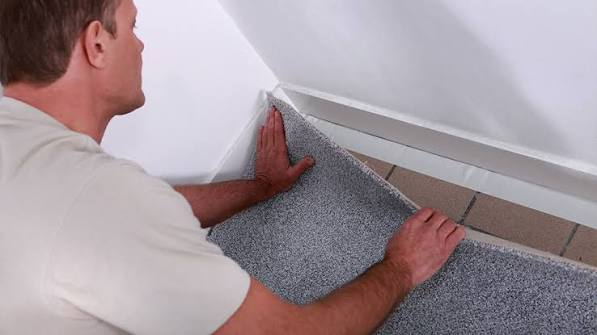
Wall-to-wall carpeting is a flooring option that can completely change the appearance and comfort of a room. By covering the entire floor surface, it creates a consistent finish that can complement furniture, wall colors, and interior decorations. However, achieving a professional result requires more than selecting an attractive carpet. Measurements, preparation, material selection, and installation all play important roles.
Evaluate the Room Before Purchasing Carpet
Before selecting a carpet, homeowners should evaluate the room’s dimensions, layout, and intended use. Bedrooms, living rooms, offices, and hallways may require different carpet characteristics.
A bedroom may prioritize softness and comfort, whereas a hallway may need a more durable material capable of handling regular movement. Understanding the room’s purpose helps narrow down the available choices.
It is also important to inspect the underlying floor. Uneven surfaces, damaged flooring, or moisture-related problems should be addressed before installation begins. Installing carpet over an unsuitable surface may create problems later.
Select a Suitable Carpet Material
Carpet materials differ in appearance, durability, maintenance requirements, and comfort. Nylon is frequently used in areas where durability is important. Polyester is often selected for its softness and attractive appearance, while wool offers a natural texture and distinctive qualities.
The appropriate material depends on the homeowner’s preferences, budget, and expectations for the room.
Exploring a Dubai carpet collection can help homeowners compare different carpet styles and materials before deciding which option best suits their property. It is useful to consider the carpet’s pile, color, construction, and maintenance recommendations rather than choosing based exclusively on appearance.
Accurate Measurements Are Essential
Room measurements should be taken carefully before ordering carpet. Length and width measurements may need to account for corners, doorways, irregular layouts, and other areas that require additional material.
Professional measurement services can help reduce the risk of purchasing insufficient carpet or excessive material. Accurate measurements also support a smoother installation process.
Understand Carpet Installation and Underlay
Installation generally involves preparing the floor, positioning the underlay where appropriate, cutting the carpet to fit the room, and securing the material. The process varies depending on the carpet type and installation system.
Underlay can provide cushioning and may contribute to improved comfort and sound insulation. However, its suitability depends on the carpet and the specific flooring requirements.
Professional installation may be particularly helpful in rooms with irregular layouts, multiple doorways, or difficult transitions between different flooring surfaces.
Plan for Cleaning and Maintenance
Carpet maintenance should be considered before installation. Regular vacuuming helps remove loose dirt and particles, while spills should be addressed promptly using an appropriate cleaning method.
Different carpet materials may require different cleaning techniques. Following manufacturer recommendations can help prevent unnecessary damage and maintain the carpet’s appearance.
Finding Suitable Carpet Installation Services
Homeowners searching for carpet flooring near me can compare carpet styles and explore installation options before planning their flooring project. Discussing room measurements, installation requirements, and maintenance expectations can help make the process more straightforward.
Wall-to-wall carpet can be an attractive and comfortable flooring solution when selected and installed correctly. Proper preparation, suitable materials, and attention to detail can help homeowners achieve a finished floor that complements the room and supports everyday use.
