
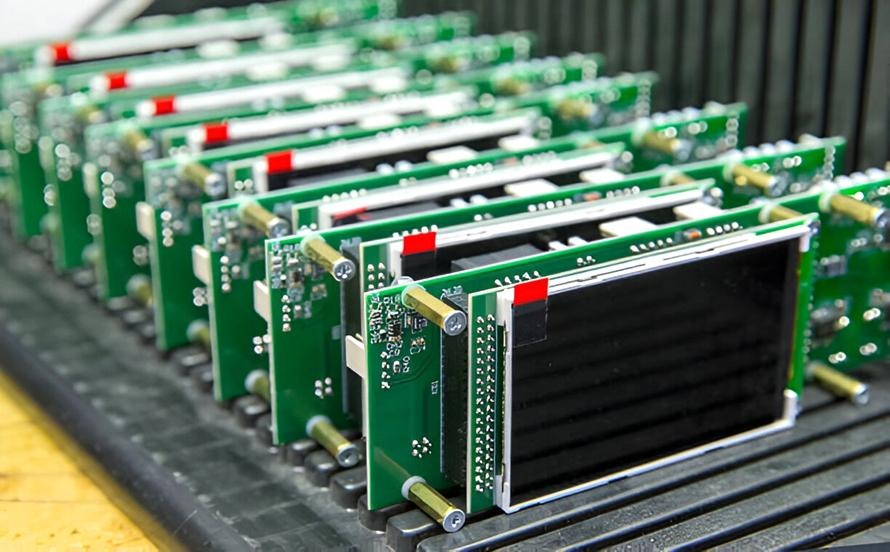
The automotive industry is undergoing significant transformation as vehicles become increasingly connected, automated, and dependent on electronic systems. From engine control units and advanced driver-assistance systems (ADAS) to electric vehicle battery management, printed circuit boards (PCBs) play a critical role in modern automotive technology. As these applications become more sophisticated, manufacturers need reliable assembly processes that deliver consistent performance under demanding operating conditions.
Automotive PCB assembly involves mounting and soldering electronic components onto printed circuit boards designed for use in vehicles. Unlike many consumer electronics applications, automotive electronics must often withstand temperature fluctuations, vibration, moisture, electrical noise, and extended operating life. Understanding the assembly process, quality requirements, and applications helps businesses select suitable manufacturing solutions for their automotive products.
What Is Automotive PCB Assembly?
Automotive PCB assembly is the process of assembling electronic components onto printed circuit boards used in automotive systems. These boards support the electronic functions responsible for monitoring, controlling, and communicating between different vehicle components.
Depending on the application, an automotive circuit board may contain microcontrollers, sensors, power management components, communication interfaces, and other specialized electronic parts.
Automotive electronics are used in conventional gasoline and diesel vehicles, hybrid vehicles, and fully electric cars. Their functions range from controlling engine performance and managing lighting systems to monitoring battery conditions and supporting driver assistance technologies.
Because failures can affect vehicle reliability and, in some applications, passenger safety, automotive circuit board manufacturing requires careful material selection, process control, inspection, and testing.
Key Stages of the Automotive PCB Assembly Process
A structured manufacturing process helps ensure that automotive circuit boards meet their design specifications and intended performance requirements.
1. PCB Design Review and Engineering Preparation
The process begins with reviewing the PCB design files, bill of materials (BOM), assembly drawings, and manufacturing requirements. Engineers assess component placement, board layout, soldering requirements, and potential manufacturing challenges.
Design reviews can help identify issues such as insufficient component spacing, difficult-to-solder connections, or thermal management concerns before production begins.
For automotive applications, engineers must also consider the expected operating environment, electrical loads, vibration exposure, and applicable product standards.
2. Component Sourcing and Verification
Selecting appropriate electronic components is essential for reliable automotive electronics. Components must meet the electrical, thermal, mechanical, and environmental requirements of the intended application.
Depending on the design, manufacturers may use automotive-grade components that meet relevant qualification requirements, such as those associated with the AEC-Q100 standard for certain integrated circuits or AEC-Q200 for passive components.
These qualifications apply to specific component categories and do not automatically certify the complete assembled PCB.
Incoming material checks help verify part numbers, quantities, packaging conditions, and relevant supplier documentation. Reliable sourcing practices also reduce the risk of counterfeit or unsuitable components entering production.
3. Surface-Mount and Through-Hole Assembly
Surface-mount technology (SMT) is widely used in automotive electronics because it supports compact designs, automated production, and consistent component placement.
During SMT assembly, solder paste is applied to the PCB, and automated pick-and-place machines position the components. The boards then pass through a reflow oven to establish the required solder connections.
Through-hole technology (THT) is also used when components require additional mechanical support or when the design calls for particular connector or component configurations.
Some automotive circuit boards combine SMT and THT processes to accommodate different electrical and mechanical requirements.
4. Soldering and Thermal Management
Reliable solder joints are essential for maintaining electrical connectivity throughout a vehicle’s operating life. Manufacturers must establish suitable soldering profiles based on the PCB materials, component specifications, and assembly requirements.
Thermal management is especially important for power electronics, motor controllers, charging systems, and battery management applications. Excessive heat can affect component performance and accelerate material degradation.
Careful process validation helps minimize soldering defects and supports consistent manufacturing results.
5. Inspection and Quality Testing
Automotive PCB manufacturing typically involves multiple inspection and testing stages, selected according to product complexity and risk.
Automated optical inspection (AOI) can identify component placement errors, polarity issues, and visible soldering defects. X-ray inspection may be used to examine hidden solder joints, including certain ball grid array (BGA) connections.
In-circuit testing checks selected electrical characteristics, while functional testing evaluates whether the assembled board performs according to its intended design.
Environmental, thermal cycling, vibration, and other reliability tests may also be required as part of product qualification or manufacturing validation. The appropriate test plan depends on the vehicle application and customer requirements.
Major Applications of Automotive PCB Assembly
Automotive circuit boards support numerous electronic functions across modern vehicles.
Engine and Powertrain Control
Engine control units use electronic circuits to process sensor signals and manage functions such as fuel injection, ignition timing, and emissions-related operations. Reliable PCB assembly helps these systems perform consistently under changing temperatures and operating conditions.
Advanced Driver-Assistance Systems
ADAS technologies rely on electronic modules that process information from cameras, radar sensors, and other sensing devices. These systems can support functions such as parking assistance, lane departure warnings, and automatic emergency braking.
Because some ADAS functions contribute directly to vehicle safety, their electronic hardware may require stringent design, validation, and manufacturing controls.
Electric Vehicle Battery Management
Electric vehicles depend on battery management systems to monitor cell voltages, temperatures, charging conditions, and other operating parameters. Their circuit boards help support battery monitoring, protection, and communication with other vehicle systems.
Reliable assembly is particularly important because battery-related electronics may operate in electrically and thermally demanding environments.
Infotainment and Connectivity
Infotainment systems, navigation units, wireless communication modules, and digital instrument clusters depend on PCBs to process information and connect vehicle subsystems.
These applications often require compact layouts, high-speed signal handling, and dependable electrical connections.
Lighting and Body Control
Automotive PCBs are also used in LED lighting, door control modules, window regulators, climate control systems, and other body electronics. Depending on the application, these boards must tolerate electrical transients, temperature changes, and repeated operating cycles.
Important Quality Requirements for Automotive Electronics
Automotive circuit board reliability depends on more than accurate component placement. Manufacturers must consider the entire production process, from materials and soldering to final testing.
Traceability: Maintaining records of components, production batches, and inspection results helps support investigations and quality management.
Process consistency: Controlled soldering parameters, equipment maintenance, and documented production procedures help reduce variation between batches.
Environmental durability: The board design and assembly process must account for the temperature, vibration, humidity, and contamination risks associated with the intended vehicle environment.
Standards and qualification: Automotive customers may require manufacturing partners to follow specific quality management systems, customer specifications, and industry standards. IATF 16949 is a widely recognized automotive quality management standard, while ISO 26262 addresses functional safety for road vehicles’ electrical and electronic systems. Neither standard should be confused with automatic certification of every PCB assembly.
Testing and documentation: Clearly defined acceptance criteria and appropriate inspection records help demonstrate that products meet their specified requirements.
How to Select an Automotive PCB Assembly Manufacturer
Choosing a manufacturing partner requires evaluating technical capabilities, quality procedures, and experience with the intended application.
Start by reviewing the manufacturer’s SMT and THT equipment, inspection technologies, engineering support, and ability to handle the required PCB complexity. Confirm whether its production processes can accommodate your component types, board dimensions, and expected order volumes.
Ask about material traceability, component sourcing controls, process validation, and the testing options available for your product. It is also useful to clarify production lead times, prototype support, engineering change management, and procedures for handling defective boards.
Finally, confirm which certifications, customer approvals, and quality records are actually available. Selecting a partner whose capabilities match the project’s technical and regulatory requirements can reduce manufacturing risks and support more predictable production.
Conclusion
Automotive PCB assembly is a critical part of modern vehicle manufacturing, supporting everything from engine control and vehicle connectivity to electric powertrains and advanced driver-assistance systems. As automotive technology continues to evolve, manufacturers must prioritize dependable components, controlled assembly processes, effective testing, and appropriate quality management practices. Businesses developing automotive electronics should work with an experienced production partner that understands their design requirements and operating conditions. By evaluating technical capabilities, traceability, testing procedures, and manufacturing quality, companies can determine whether Automotive PCB Assembly Services are suitable for producing reliable electronic assemblies for their automotive applications.
