
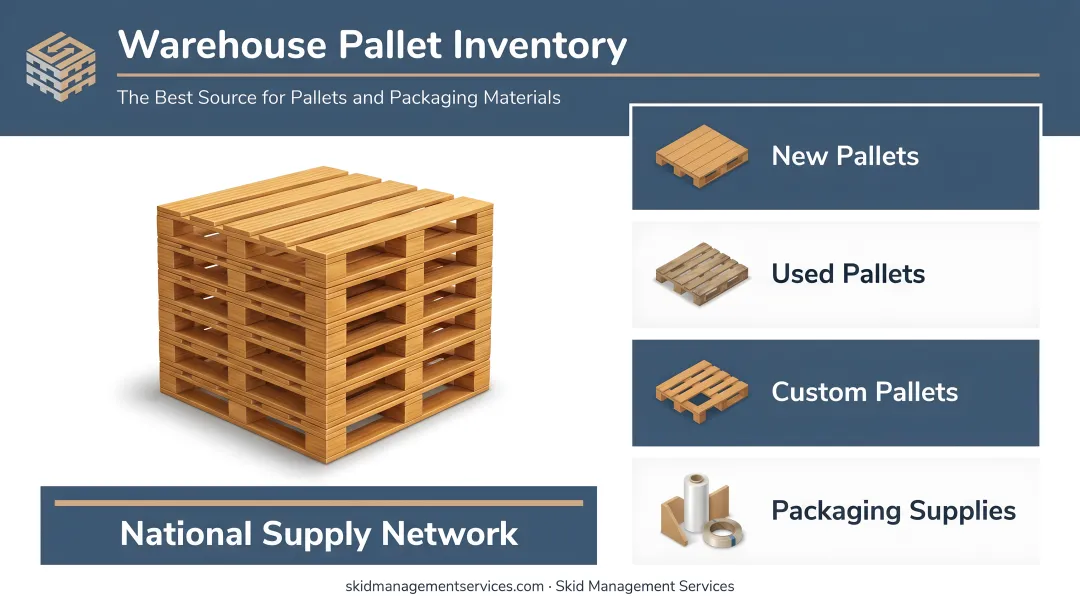
Managing shipping expenses is a priority for manufacturers, warehouses, and distribution centers. Wooden pallets are essential for transporting goods, but frequent replacements can increase operating costs. Businesses searching for used wooden pallets for sale can reduce pallet procurement expenses by choosing reusable shipping platforms that meet their operational requirements.
Used wooden pallets offer a practical alternative to new pallets for many commercial applications. Understanding their costs, quality grades, and purchasing requirements helps businesses maintain reliable pallet inventory without unnecessary spending.
Why Businesses Choose Used Wooden Pallets for Sale
Businesses purchase used wooden pallets primarily to manage costs while maintaining a dependable supply of shipping materials. These pallets are recovered from previous commercial use and inspected for their suitability for additional shipments.
Used pallets are often available at lower prices than newly manufactured options. This makes them particularly useful for companies that regularly purchase large quantities of pallets.
In addition to purchasing savings, reusing existing pallets reduces material waste and supports more efficient use of wooden resources.
How Used Wooden Pallets Help Reduce Operating Costs
The financial benefits of used wooden pallets extend beyond their initial purchase price.
Lower Initial Purchasing Expenses
Used wooden pallets typically cost less than new pallets of comparable dimensions and construction. Businesses purchasing hundreds or thousands of pallets can potentially reduce recurring procurement expenses.
The actual savings depend on pallet condition, available inventory, dimensions, and purchasing volume.
Reduce Unnecessary Replacement Costs
Properly maintained wooden pallets can remain usable across multiple handling and shipping cycles. Purchasing inspected used pallets allows businesses to benefit from materials that still have useful service life.
Regular inspections and repairs can further reduce replacement frequency.
Improve Warehouse Space Utilization
Effective pallet purchasing helps businesses avoid maintaining more inventory than necessary. Excessive pallet stock can occupy space needed for products, equipment, and operational activities.
Purchasing suitable quantities of used pallets based on shipment demand can improve inventory efficiency.
Support More Predictable Procurement
Businesses with recurring pallet requirements can establish purchasing schedules based on historical usage.
Consistent ordering helps reduce emergency purchases and makes pallet-related costs easier to forecast.
Types of Used Wooden Pallets Available for Commercial Use
Businesses can choose from different pallet conditions and construction types depending on their applications.
Grade A Wooden Pallets
Grade A pallets generally show limited wear and maintain a relatively uniform appearance. They may contain minor repairs but are typically preferred when pallet presentation and condition are important.
These pallets can support regular warehouse and shipping operations when they meet the required specifications.
Grade B Wooden Pallets
Grade B pallets often show greater signs of previous use and may contain repaired components.
They provide an economical option for applications where appearance is less important, provided the pallets remain structurally suitable for their intended loads.
Remanufactured Wooden Pallets
Remanufactured pallets are assembled or restored using recovered wooden components. This approach extends the useful life of pallet materials while providing functional shipping platforms.
Businesses may select remanufactured pallets when compatible sizes and construction configurations are available.
How to Calculate the Cost of Used Wooden Pallets
When evaluating used wooden pallets for sale, businesses should consider total procurement expenses rather than purchase price alone.
The most important cost factors include:
- Pallet grade: Higher-condition pallets may command higher prices than heavily repaired units.
- Pallet size: Standard dimensions may be easier to source than specialized configurations.
- Order quantity: Larger orders may qualify for more favorable unit pricing.
- Delivery costs: Transportation distance and shipment volume influence overall expenses.
- Replacement frequency: Pallet durability and handling practices affect long-term costs.
- Repair requirements: Additional repairs can increase the total cost of using lower-grade pallets.
Comparing these factors helps businesses determine which pallets offer appropriate value for their operations.
Used Wooden Pallets for Sale vs. New Pallets
Used and new wooden pallets can support similar material handling activities, but their costs and characteristics differ.
| Used Wooden Pallets | New Wooden Pallets |
| Often cost less upfront | Generally have higher initial prices |
| May include repaired components | Constructed using new components |
| Available in varying grades | Typically offer a more uniform appearance |
| Extend the use of existing materials | May offer greater design customization |
| Suitable for many standard shipping needs | Useful for specialized applications |
The right choice depends on product weight, warehouse equipment, transportation requirements, and pallet specifications.
Industries That Can Benefit From Used Wooden Pallets
Manufacturing
Manufacturing facilities frequently use pallets to move raw materials and finished goods. Used pallets can reduce recurring material handling expenses when they meet the required load specifications.
Warehousing
Warehouses depend on pallets for organizing inventory and supporting daily product movement. Affordable pallet inventory helps facilities manage storage and shipping costs.
Retail Distribution
Retail and wholesale distributors handle substantial quantities of palletized merchandise. Used wooden pallets provide an alternative to purchasing new pallets for every shipment.
Logistics and Freight
Logistics providers coordinate shipments across different customers and destinations. Access to multiple used pallet grades and sizes can help accommodate routine shipping requirements.
How to Choose Reliable Used Wooden Pallets for Sale
Businesses should prioritize pallet condition and suitability rather than focusing exclusively on the lowest available price.
Inspect pallets for damaged boards, loose fasteners, cracked stringers, and other structural problems. Confirm that the pallet dimensions are compatible with existing storage systems and handling equipment.
Suppliers should also provide clear information about pallet grading, inventory availability, and delivery arrangements. For international shipping, businesses must confirm compliance with applicable wood packaging requirements.
Choosing pallets that meet operational needs helps reduce handling problems and unexpected replacement expenses.
How to Improve Long-Term Pallet Cost Efficiency
Maintaining accurate pallet inventory records is an important step toward reducing operating costs. Businesses should monitor purchase quantities, damage rates, repair requirements, and replacement frequency.
Proper pallet handling also influences long-term expenses. Forklift operators should avoid damaging pallet components, while storage teams should keep wooden pallets protected from unnecessary moisture exposure.
Businesses can establish recovery procedures for damaged pallets that remain suitable for repair. Pallets that cannot be safely reused may be directed toward appropriate recycling processes.
These practices help reduce unnecessary purchases and improve the overall value of pallet inventory.
Conclusion
Used wooden pallets for sale provide businesses with an opportunity to reduce shipping and storage expenses while maintaining dependable material handling operations. Choosing the appropriate pallet grade, size, and condition helps balance purchasing costs with operational requirements.
Combining cost-conscious purchasing with proper inspection, storage, and repair practices can extend pallet service life and improve inventory efficiency. For businesses managing frequent shipments, used wooden pallets can be a practical component of long-term procurement planning.
