
Photo: James Sutton (Unsplash), via Wikimedia Commons (CC0)
Eating a plant-based diet is one of the most thoroughly studied dietary patterns there is, and the overall picture is encouraging: well-planned vegan and vegetarian diets are recognized by major nutrition bodies as appropriate across life stages. The phrase that does the work in that sentence, though, is “well-planned.” A handful of nutrients are harder to get, or harder to absorb, from plants alone, and B12 and iron sit at the top of that list. This article is for readers who already eat plant-based, feel good about that choice, and simply want to understand how vitamin shots and nutrient drips fit into the picture, including when they are unnecessary.
The short version: food and oral supplements come first, lab testing with your doctor comes second, and injections or IV nutrient therapy are a specific tool for specific situations, not a routine upgrade. With that framing in place, here is the long version.
Why B12 Is the Nutrient Every Vegan Hears About
Vitamin B12 is made by microorganisms, not by plants or animals themselves. Animals accumulate it through their diet and gut bacteria, which is why meat, dairy and eggs contain it and why unfortified plant foods reliably do not. Seaweed, spirulina and fermented foods are often mentioned as sources, but much of what they contain are inactive analogues that do not meet human needs, which is why dietitians consistently advise vegans to rely on fortified foods or a supplement rather than on whole plant foods for B12.
B12 matters because it is involved in red blood cell formation, nerve function and DNA synthesis. The body stores a meaningful reserve in the liver, which is why a new vegan can feel perfectly fine for a long time before any shortfall shows up. When levels do drop, the classic signs are fatigue, tingling or numbness in the hands and feet, difficulty concentrating, mood changes and a particular type of anemia. The nerve-related symptoms are the reason not to shrug this off; some of them can become stubborn if a deficiency goes unaddressed for long enough.
The good news is that for most people, oral B12 works. It is water-soluble, inexpensive, widely available in vegan formulations, and the body absorbs a small but adequate fraction even when the usual absorption pathway in the gut is not working well. A daily or weekly oral dose keeps the vast majority of plant-based eaters comfortably in range.
Where Iron Gets Complicated
Iron is a different story because plants do contain it, often in generous amounts. Lentils, chickpeas, tofu, pumpkin seeds, quinoa, dark leafy greens and fortified cereals are all respectable sources. The catch is that plant iron is non-heme iron, which the body absorbs less efficiently than the heme iron found in animal tissue. Absorption also varies with what you eat alongside it: vitamin C improves it, while tea, coffee, calcium and the phytates in whole grains and legumes reduce it.
Because of this, plant-based eaters, and particularly menstruating women, teenagers, endurance athletes and anyone who donates blood regularly, have a somewhat higher chance of running low. Low iron tends to announce itself as persistent tiredness, shortness of breath on stairs that never used to bother you, pale skin, brittle nails, feeling cold and, in some people, restless legs or an odd craving to chew ice.
Here is the key point for this article: iron is not something to self-treat on a hunch. Too little is a problem, but too much is also a problem, and the symptoms of low iron overlap with a dozen other conditions. A simple blood panel that includes ferritin, the storage form of iron, tells you where you actually stand. Ask your doctor for it rather than guessing from how you feel.
Diet First: What a Plant-Based Day That Covers the Gaps Looks Like
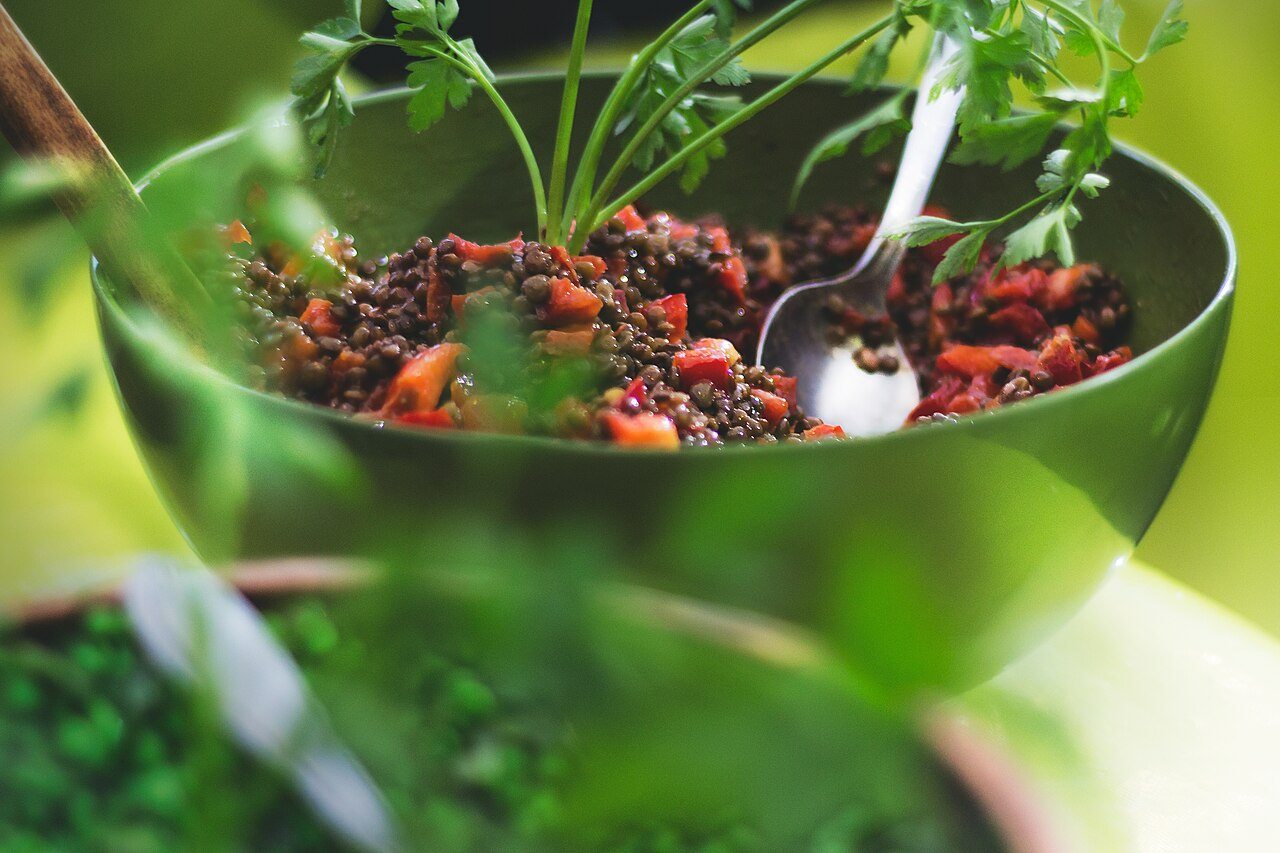
Before any discussion of needles, it is worth seeing how much ground ordinary food covers. A day built around a fortified plant milk with breakfast, a lentil or bean dish at lunch with a squeeze of lemon or a side of bell pepper, a tofu or tempeh dinner cooked in a cast-iron pan, a handful of pumpkin seeds, and a B12 supplement a few times a week addresses both of these nutrients for most adults. Spacing coffee and tea away from iron-rich meals helps too.
Living in the Brandon and Tampa Bay area makes this easier than in many places. Year-round farmers markets, Florida citrus for vitamin C, and a growing number of plant-forward restaurants from Seminole Heights to Riverview mean variety is not the obstacle. The obstacle, for most busy people, is consistency, and that is a planning problem rather than a supplement problem.
When a Shot or a Drip Enters the Conversation
So where do injections and IV therapy fit? There are a few situations where a clinician, not a marketing menu, might suggest them.
- Confirmed B12 deficiency with absorption problems. Conditions such as pernicious anemia, celiac disease, Crohn’s disease, prior gastric surgery, or long-term use of certain acid-reducing or diabetes medications can impair B12 absorption from the gut. In those cases, injections bypass the problem entirely, and a doctor may prescribe a loading series followed by maintenance doses.
- Symptoms that need correcting quickly. When someone presents with neurological symptoms and very low levels, physicians often start with injections to restore levels fast before transitioning to oral maintenance.
- Difficulty tolerating oral supplements. Some people struggle with pills, have severe nausea, or simply do not absorb well for reasons that are not fully explained. An intramuscular B12 shot is a straightforward alternative.
- Iron that oral supplements cannot fix. Oral iron causes stomach upset or constipation for many people, and for some it simply does not raise levels enough. IV iron is a well-established medical treatment in those cases, but it is a prescription infusion done under medical supervision with specific monitoring, which is a different category from a wellness lounge drip.
Outside of those scenarios, a healthy plant-based eater with normal labs who takes an oral B12 supplement does not need injections to stay healthy. Choosing them anyway is a personal preference, and that is a legitimate choice as long as it is an informed one.
What a Wellness Lounge Actually Offers
This is where IV lounges come in, and it helps to be precise about what they are. A lounge offering IV therapy in Brandon typically provides two relevant services: intramuscular vitamin shots, most commonly B12, and IV nutrient drips that combine sterile fluid with B-complex, vitamin C, magnesium and similar ingredients. At Brandon IV Lounge, for instance, B12 and vitamin shots sit alongside drip menus with names like Energy Boost, Myers Cocktail and Immunity Boost. Visits are screened and administered by licensed clinical staff, walk-ins are welcome, and HSA and FSA cards are accepted.
What a lounge is not is a substitute for your primary care doctor or a hematologist. A lounge is not going to diagnose pernicious anemia, and most do not provide therapeutic IV iron, which requires a prescription, a diagnosed deficiency and specific safety protocols. If your labs show iron deficiency, that conversation belongs with your physician, who may refer you to an infusion center. If your issue is B12 and your doctor has confirmed you would benefit from injections, a lounge can be a convenient, accessible place to get a shot, provided your doctor is comfortable with that arrangement.
How a Visit Works
For readers who have never been, a typical visit is low-key. You check in, complete an intake form covering medical history, medications, allergies and pregnancy status, and a licensed clinician reviews it with you. For a B12 shot, the whole thing takes a few minutes: a quick intramuscular injection, usually in the upper arm or hip, and you are on your way. For a drip, the clinician places a small IV catheter, typically in the forearm or hand, and you relax in a chair for roughly 30 to 60 minutes while the bag runs. Staff check on you, remove the line, apply a bandage, and you leave.
Practical details for the Brandon location: it is at 128 S Moon Ave, Brandon, FL 33511, open Monday through Friday from 8:30 am to 7 pm and Saturday from 8:30 am to 4 pm, with a weekday Happy Hour from 4 to 6 pm offering 20% off drips. You can book online or call 813-655-0545 with questions.
Realistic Expectations, Honestly Stated
If you are genuinely low in B12, correcting it tends to produce a real and sometimes dramatic improvement in energy and mental clarity over days to weeks. That is the deficiency resolving, and it is exactly what the medical literature would predict. If your levels are already normal, extra B12, whether swallowed or injected, is unlikely to make you feel noticeably different, and the excess is simply excreted. Some people do report a lift after a shot regardless, and there is nothing wrong with that, but it should not be mistaken for evidence that more is better.
The research on general wellness drips, as distinct from medically indicated infusions, is limited and mixed. For a healthy person with a good diet, there is little evidence that an IV multivitamin outperforms eating well and supplementing sensibly. Drips are intended to support hydration and nutrient levels, and some people find them useful, but no honest provider should describe them as a treatment for a diagnosed deficiency without a doctor’s involvement.
Safety also deserves a plain statement. Elective IVs and shots are generally low-risk for healthy adults when administered with sterile technique by trained staff. People with kidney disease, heart conditions, or anyone who is pregnant or breastfeeding should talk to their doctor before any elective infusion. Anyone taking medications that interact with vitamins or minerals should mention them at screening.
A Sensible Order of Operations
Pulling this together into a sequence a plant-based reader can actually follow: eat a varied diet that includes fortified foods and iron-rich plants paired with vitamin C. Take an oral B12 supplement consistently, because that is the one non-negotiable. If you feel persistently tired, foggy or short of breath, do not guess; ask your doctor for bloodwork that includes B12, ferritin and a complete blood count. Act on the results with your doctor’s guidance, which may mean oral supplements, prescription injections, or a referral. And if, with normal labs or your doctor’s blessing, you would like the convenience of a B12 shot or a hydration drip, a licensed lounge such as Brandon IV Lounge is a reasonable, accessible option in the Brandon area.
Before You Book
Plant-based living and good nutrition are not in tension; they just require attention to a short list of nutrients, and B12 and iron head that list. Food and oral supplements handle the job for most people. Testing tells you whether you are one of the exceptions. Shots and drips are a legitimate tool when a clinician agrees they make sense, or when you simply prefer them and understand what they do and do not provide. Know your numbers, keep your doctor in the loop, and treat any lounge visit as a complement to that care rather than a replacement for it.
