
Decarbonization is not something businesses can afford to treat as a distant environmental goal. Companies across nearly every industry are under growing pressure to reduce emissions, improve efficiency, and show customers, investors, and regulators that they are taking climate impact seriously.
For businesses that are only beginning to develop a decarbonization strategy, however, knowing where to start can feel complicated. Understanding the basics can make the process much more manageable.
Decarbonization Goes Beyond Cutting Energy Use
At its simplest, decarbonization means reducing the amount of carbon dioxide and other greenhouse gases released through business activities. While reducing energy consumption is an important part of this, it is only one piece of the puzzle.
A company’s emissions may come from manufacturing processes, transportation, heating, electricity use, supply chains, raw materials, and even the way products are disposed of at the end of their useful life.
This means businesses need to look at their operations as a whole rather than focusing on one obvious source of emissions.
Measuring Emissions Comes First
Before you can reduce emissions effectively, you need to understand where they are coming from.
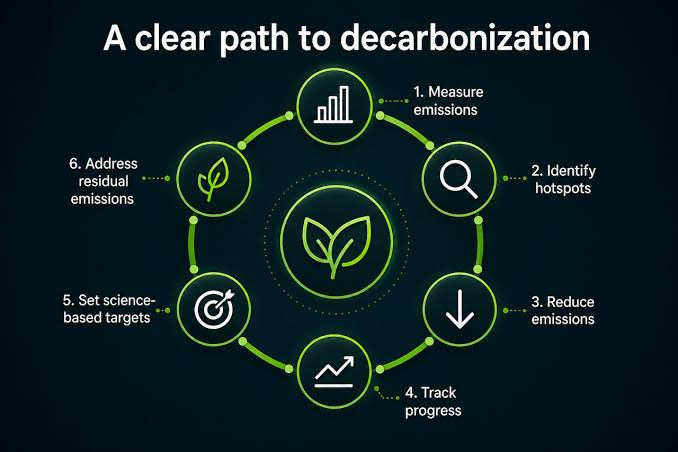
Businesses will often begin by measuring their carbon footprint and identifying the activities responsible for the largest proportion of emissions. This creates a baseline that can then be used to set realistic reduction targets.
Regular measurement also makes it easier to track progress over time and demonstrate the impact of any changes being introduced.
Different Industries Need Different Solutions
There is no single decarbonization strategy that works for every organization.
A professional services company may be able to make significant progress by improving building efficiency, switching to renewable electricity, and reviewing business travel. Heavy industrial businesses, meanwhile, may need to address emissions that are created directly during manufacturing processes.
This is where technologies such as carbon capture can play an important role. Companies operating in harder-to-abate industries may work with specialists like Carbon Clean to explore carbon capture solutions designed to reduce emissions from industrial operations where eliminating them completely may be difficult.
Your Supply Chain Matters Too
Businesses also need to think beyond the emissions they produce directly.
Suppliers, logistics partners, manufacturers, and other organizations within the supply chain can all contribute significantly to a company’s overall carbon footprint. Working with suppliers that have their own environmental targets can therefore support wider decarbonization goals.
Some businesses are also introducing sustainability requirements when selecting new suppliers or renewing contracts.
Decarbonization Can Bring Business Benefits
Reducing emissions is primarily about environmental responsibility, but it can also make commercial sense.
Improving energy efficiency can lower operating costs, while investing in cleaner technologies may reduce exposure to changing energy prices or future environmental regulations. Strong sustainability credentials can also influence customers, investors, employees, and potential business partners.
Make Decarbonization An Ongoing Process
Perhaps the most important thing businesses need to understand is that decarbonization is not a one-time project.
Technology, regulations, customer expectations, and industry standards will continue to evolve. Businesses therefore need to regularly review their emissions, update their goals, and consider new opportunities to reduce their environmental impact.
A clear long-term strategy allows decarbonization to become part of everyday business decision-making rather than simply another sustainability initiative.
