
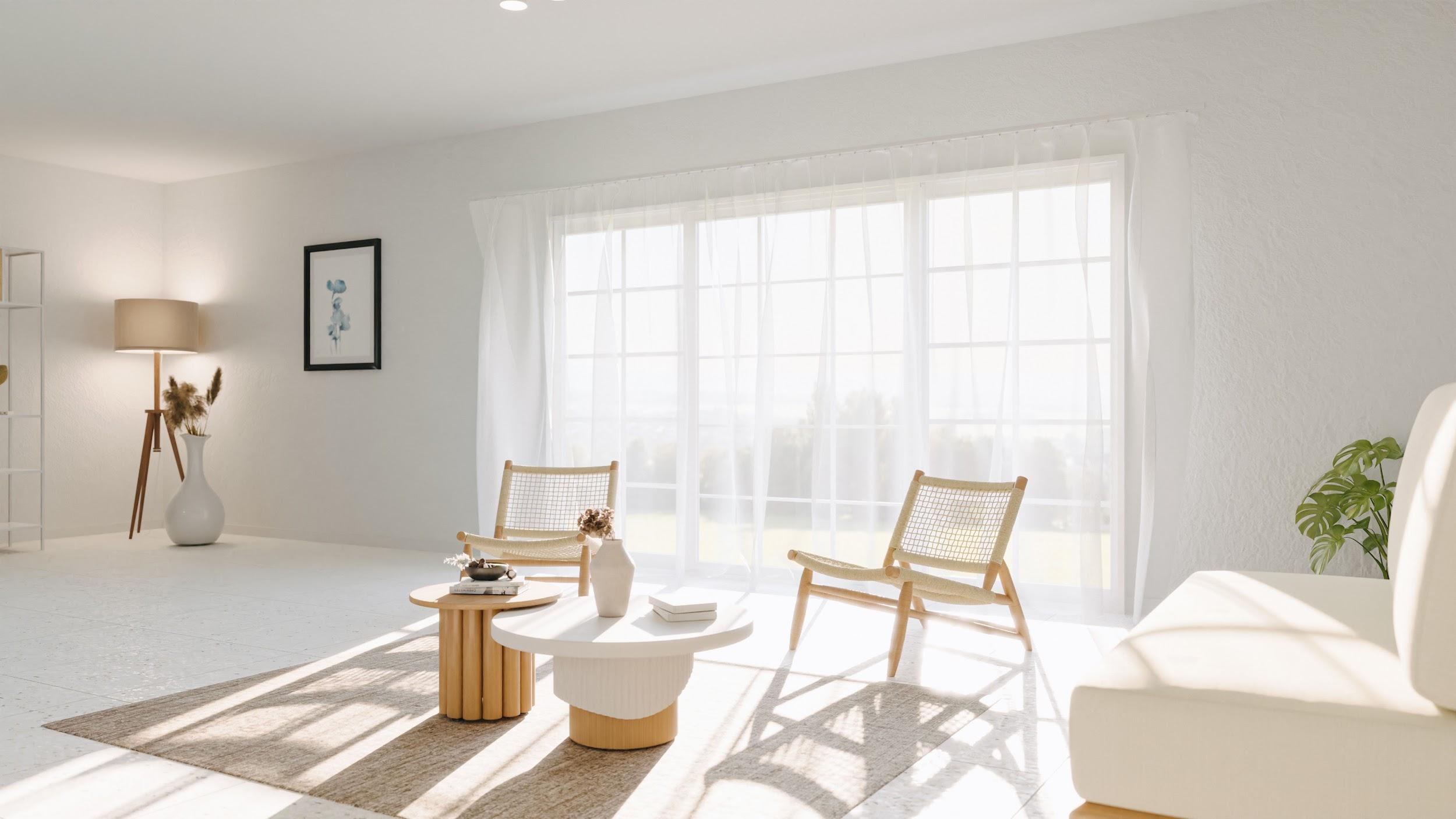
Curtains do much more than cover windows. They influence privacy, natural light, temperature, visual balance, and the overall character of a room. With so many fabrics, heading styles, levels of opacity, and design options available, choosing curtains can require more thought than simply selecting a colour that matches the walls.
Understanding the many types of curtains and how each option performs can help simplify the selection process. The right choice should complement the interior while also meeting the practical needs of the space.
Consider The Purpose Of The Room
The first consideration should be how the room is used. Curtains that work beautifully in a living room may not provide the same benefits in a bedroom or home office.
Living rooms frequently benefit from drapes that allow natural light to penetrate while preserving a suitable level of privacy. Bedrooms may require greater light control, particularly for people who prefer a darker environment for sleeping. Dining rooms and entertaining areas may place greater emphasis on appearance and atmosphere.
Thinking about the daily activities within the room helps narrow down suitable options before focusing on decorative details.
Decide How Much Light You Want
Natural light may radically alter the feel of an interior. Some homeowners want to maximise daylight, while others need greater control over glare and brightness.
Sheer curtains are well suited to spaces where natural light is welcome. Their lightweight appearance can soften incoming sunlight while creating an airy feel. However, they generally provide less privacy at night when interior lights are switched on.
Blockout curtains offer a different experience. They are designed to significantly reduce the amount of light entering a room, making them particularly useful for bedrooms, media rooms, and other areas where stronger light control is desirable. Combining sheer and blockout curtains can provide additional flexibility throughout the day.
Think About Privacy Requirements
Privacy needs can vary considerably depending on the position of the window. A window facing a busy street or neighbouring property may require greater coverage than one overlooking a private backyard.
When comparing different types of curtains, consider how much visibility you are comfortable with during both daytime and nighttime hours. Sheer fabrics can provide a degree of daytime screening, while heavier curtains can create more complete coverage when required.
Layered curtain arrangements can be especially practical because they allow homeowners to adjust privacy without keeping the room completely closed off from natural light.
Compare Curtain Heading Styles
The heading is the upper section of the curtain that determines how the fabric hangs from the track or rod. It can have a major influence on the finished appearance of the window.
S-wave curtains are popular in contemporary interiors because the fabric falls in smooth, consistent folds. This results in a clean, streamlined look that complements modern architecture and minimalist interior styles.
Other heading styles can produce a more structured or traditional effect. When comparing options, think about the existing character of the room and whether you want the curtains to become a noticeable design feature or blend naturally into the surrounding interior.
Look Carefully At Fabric Choices
Fabric affects appearance, movement, durability, privacy, and light filtration. Lightweight materials can create a relaxed and elegant look, while heavier fabrics often produce a more substantial visual effect.
Consider how the material will hang when the curtains are open and closed. Fabric texture can also contribute to the atmosphere of a room. Smooth materials may suit contemporary spaces, while textured fabrics can introduce warmth and visual depth.
Colour is equally important. Neutral shades can integrate easily with changing interior styles, while stronger colours can turn window furnishings into a focal point.
Consider Insulation And Indoor Comfort
Windows can influence indoor temperature, particularly during periods of strong sunlight or colder weather. Suitable curtains can add another layer between the window and the room.
Heavier fabrics and blackout options may help reduce direct sunlight and create a more comfortable indoor environment. Curtain dimensions are important as well. Curtains that provide generous window coverage can generally create a more complete barrier than designs that leave significant gaps around the edges.
For rooms that receive intense afternoon sunlight, practical light and heat management may be just as important as appearance.
Think About Layering Options
Choosing curtains does not always mean selecting a single fabric. Layering different curtains can provide greater control over changing conditions.
For example, sheer curtains can remain closed during the day to soften sunlight, while blockout curtains can be drawn later for increased privacy and darkness. This arrangement combines decorative appeal with everyday flexibility.
Layered window furnishings can also add visual depth, making large windows feel more complete and creating a softer interior atmosphere.
Measure The Window And Surrounding Space
Even an attractive curtain style can look awkward if the proportions are incorrect. Before making a final decision, consider the width and height of the window, available wall space, ceiling height, and nearby furniture.
Curtains extending closer to the ceiling can create a sense of height, while wider coverage can make the window appear more substantial. Accurate measurements also help ensure that the fabric falls properly and provides the intended level of coverage.
Choose Curtains For Long-Term Appeal
Trends can provide inspiration, but curtains are usually expected to remain part of an interior for years. Consider whether the fabric, colour, and style will continue to work if furniture, paint colours, or decorative accessories change.
Comparing types of curtains based on privacy, light control, fabric, heading style, room function, and overall design can lead to a more practical choice. Rather than focusing on appearance alone, look at how the curtains will perform throughout the day. A carefully selected window treatment can bring together comfort, functionality, and interior style while making the room feel more complete.
