
Fresh cannabis can look exceptional the moment it is harvested, but appearance alone never tells the full story. Some of the qualities consumers value most, including aroma, flavor, smoothness and consistency, develop after the plant has been cut down. This is where drying and curing become some of the most important stages of cultivation. Even cannabis with outstanding genetics can lose much of its potential if these final steps are rushed or handled improperly.
For wellness oriented cannabis users, quality often matters beyond potency. Many people are looking for a product that delivers a predictable, enjoyable experience without unnecessary harshness or unpleasant flavors. While cannabinoid content certainly plays a role, the way cannabis is dried and cured influences nearly every aspect of the final product. Understanding these processes helps consumers make better purchasing decisions and recognize the difference between flower that was carefully prepared and flower that simply reached the shelf as quickly as possible.
Why Drying and Curing Matter More Than Many People Realize
Harvesting cannabis does not immediately stop biological activity inside the flower. Moisture remains trapped throughout the buds, enzymes continue working and plant compounds gradually change over time. Drying removes excess moisture while curing allows these natural processes to finish under controlled conditions.
When either stage is skipped or shortened, the flower may retain too much chlorophyll, excess moisture or unstable terpene compounds. These issues often appear in ways consumers immediately notice. The flower may smell grassy instead of fragrant, burn unevenly, feel overly damp or become brittle from excessive drying. Instead of producing a balanced experience, improperly processed cannabis can feel rough and inconsistent.
Carefully managed drying and curing create conditions that preserve cannabinoids while protecting the delicate terpene profile responsible for much of the flower’s aroma and character. Since terpenes contribute significantly to the overall experience, preserving them is often just as valuable as maintaining cannabinoid content.
The Purpose of Slow Drying
One of the biggest mistakes cultivators can make is drying cannabis too quickly. Although faster drying allows products to reach the market sooner, it often sacrifices quality.
A slower drying process gives moisture time to leave the flower evenly rather than escaping rapidly from the outside while remaining trapped inside. This gradual moisture reduction helps protect the plant’s internal structure and reduces stress on delicate resin glands that contain cannabinoids and terpenes.
Slow drying also supports:
- Better aroma retention
- Improved flavor development
- More even combustion
- Reduced harshness when consumed
- Longer storage stability
Many experienced cultivators carefully monitor both temperature and humidity during drying because small environmental changes can significantly affect the final outcome.
What Happens During the Curing Process
Drying removes excess moisture, but curing continues refining the flower after that initial stage has finished. Proper curing allows remaining moisture to distribute evenly throughout the buds while plant compounds continue stabilizing.
During curing, chlorophyll gradually breaks down. This is important because excessive chlorophyll often contributes to the grassy smell many consumers associate with lower quality cannabis. As chlorophyll declines, the flower’s natural terpene profile becomes more noticeable, allowing individual strain characteristics to emerge more clearly.
This gradual maturation also improves overall smoking or vaporizing quality. Properly cured flower generally burns more evenly, produces smoother inhalation and delivers a cleaner taste compared to cannabis that reaches consumers immediately after drying.
Patience becomes one of the most valuable tools during curing. While rushing products to market may increase short term production efficiency, additional curing time often results in a noticeably better consumer experience.
Environmental Conditions Influence the Outcome
Drying and curing depend heavily on environmental control. Temperature, humidity and airflow all interact throughout the process, making consistency essential.
Excessive heat may accelerate drying but can also encourage terpene evaporation. Since many terpenes are highly volatile, warmer conditions may reduce the aromatic complexity consumers expect from premium cannabis.
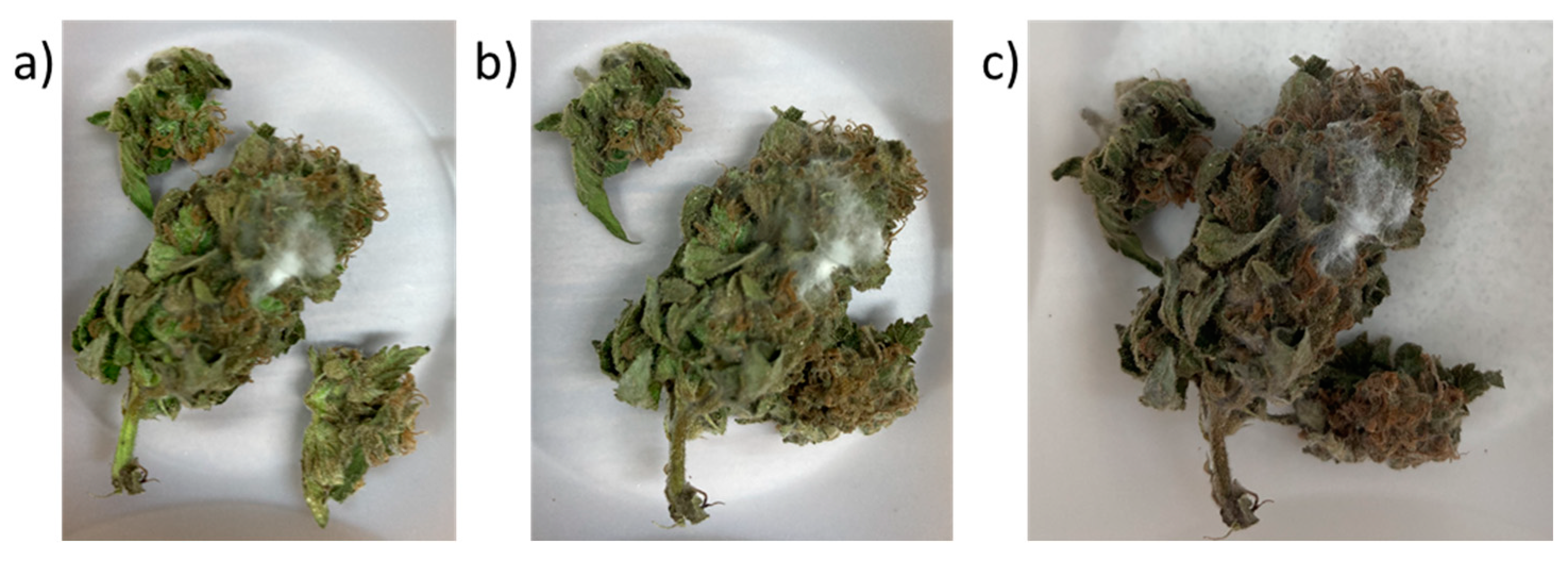
Humidity presents another balancing act. Conditions that are too dry may remove moisture too quickly, leaving flower brittle while limiting proper curing. Excess humidity creates an environment where mold and microbial growth become greater concerns.
Air circulation also requires careful management. Gentle airflow helps remove moisture evenly, but excessive airflow may dry the flower’s exterior too rapidly while leaving internal moisture trapped inside.
Professional cultivators spend considerable effort maintaining stable conditions because every environmental factor contributes to preserving quality from harvest through packaging.
Hand Trimmed Versus Machine Trimmed Flower
Although trimming technically follows drying, it also affects the overall presentation and preservation of cannabis quality.
Machine trimming offers efficiency and consistency for larger harvests, but aggressive equipment may remove more trichomes than intended. Since trichomes contain much of the flower’s cannabinoids and aromatic compounds, preserving them remains an important goal.
Hand trimming generally allows workers to shape buds more carefully while minimizing unnecessary damage to resin glands. The process requires considerably more labor, which often contributes to higher pricing for hand finished flower.
Consumers who prioritize appearance, aroma and resin preservation frequently appreciate the extra attention associated with carefully hand trimmed cannabis.
How Terpenes Benefit From Proper Post Harvest Handling
Many wellness focused consumers have become increasingly interested in terpenes rather than relying solely on THC percentages when evaluating cannabis.
Terpenes create the distinctive aromas found across different cannabis varieties, ranging from citrus and pine to earthiness, floral notes and sweet fruit characteristics. These compounds are delicate and highly sensitive to environmental conditions after harvest.
Proper drying and curing help protect terpene content by minimizing unnecessary heat exposure and allowing gradual stabilization. While some natural terpene loss is unavoidable over time, careful post harvest handling can significantly improve overall preservation.
This is one reason experienced consumers often notice that well cured flower delivers richer aromas immediately upon opening the package. The preservation of these volatile compounds reflects the care taken throughout processing.
Storage Continues the Quality Story
Drying and curing represent only part of cannabis preservation. Storage conditions continue influencing quality long after flower reaches dispensary shelves.
Exposure to excessive light, oxygen, fluctuating temperatures and improper humidity gradually affects cannabinoids and terpenes alike. Even expertly cured cannabis can decline if stored improperly.
Consumers looking to protect freshness should consider several simple practices:
- Store flower in airtight containers.
- Keep cannabis in a cool, dark location.
- Avoid repeated exposure to excessive heat.
- Open containers only when necessary to reduce oxygen exposure.
Maintaining proper storage conditions helps preserve the qualities careful cultivation worked to create.
Why Consumers Should Look Beyond THC Percentages
High THC numbers often dominate purchasing decisions, but they rarely provide a complete picture of overall quality. Two flowers with similar THC levels may deliver noticeably different experiences depending on cultivation practices and post harvest handling.
Well dried and properly cured cannabis frequently provides richer aroma, smoother inhalation and greater consistency than flower chosen solely for cannabinoid percentages. For wellness oriented users seeking an enjoyable experience rather than simply chasing potency, these factors deserve equal consideration.
Observing visual appearance, aroma, moisture balance and overall freshness often reveals more about flower quality than laboratory potency alone. Sticky but not wet buds, vibrant aromas and properly preserved trichomes frequently indicate careful post harvest attention.
Choosing Cannabis That Reflects Careful Craftsmanship
Consumers may not witness drying rooms or curing environments, but the results become apparent once the package is opened. Flower that feels fresh without excessive moisture, breaks apart naturally without turning to dust and produces a distinct, pleasant aroma often reflects disciplined post harvest practices.
Reputable retailers also play an important role by selecting products from cultivators who prioritize quality throughout every production stage. Finding a trusted source allows consumers to purchase with greater confidence, knowing the flower was handled with care from harvest through final packaging. At Online Dispensary, carefully selected cannabis reflects the importance of preserving quality beyond cultivation, giving customers access to products that emphasize consistency, freshness and overall value.
For wellness oriented cannabis users, drying and curing deserve far more attention than they often receive. These behind the scenes processes quietly influence flavor, aroma, smoothness, shelf life and overall enjoyment. While genetics and cultivation establish the foundation, thoughtful post harvest handling allows cannabis to reach its full potential. Appreciating these differences helps consumers move beyond simple potency comparisons and toward a more complete understanding of what truly defines premium flower.
FAQ
Why is curing cannabis important after drying?
Curing allows moisture to equalize throughout the flower while chlorophyll continues breaking down. This improves flavor, aroma, smoothness and overall smoking or vaporizing quality.
Can cannabis lose quality if it dries too quickly?
Yes. Rapid drying may reduce terpene preservation, create harsher smoke and limit the development of the flower’s full aroma and flavor profile.
Does curing increase THC levels?
No. Curing does not significantly increase THC content. Instead, it helps preserve cannabinoids and improves the overall quality of the finished flower.
How can consumers recognize well cured cannabis?
Well cured cannabis typically has a pleasant aroma, balanced moisture, sticky but not damp texture, intact trichomes and burns evenly without excessive harshness.
Why do premium cannabis products often cost more?
Higher quality flower often reflects additional labor, careful environmental control, longer curing times and greater attention throughout cultivation and post harvest processing, all of which contribute to a better overall experience.
