
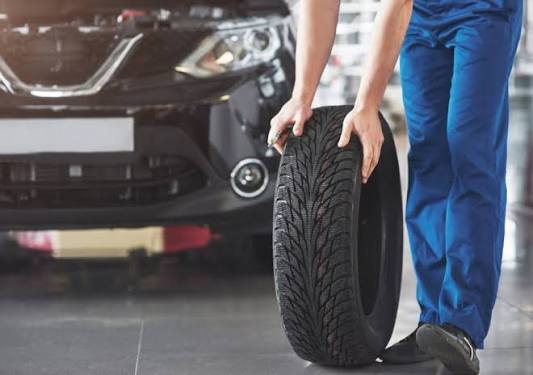
Every new generation of cars promises better performance, improved safety, and smarter technology. Quietly, tyre innovation has been keeping pace with every one of those advances.
They’re the only point of contact between a vehicle and the road. Every turn, every brake, every kilometre depends on them. And as India’s mobility landscape evolves, tyre companies are doing far more than making products that last longer. They are quietly influencing how safely, efficiently, and sustainably people and goods move across the country.
Raising the Bar for Vehicle Performance
Driving in India isn’t what it used to be.
People cover longer distances. Highway networks have expanded. Delivery vehicles spend more hours on the road. Businesses expect faster logistics, while everyday drivers expect a smoother, quieter, and safer drive.
Naturally, expectations from tyres have changed too.
A decade ago, most buyers looked at price and lifespan. Today, they’re asking different questions. Will these tyres improve fuel efficiency? How do they perform during the monsoon? Will they handle highway speeds comfortably? Fleet operators are asking even tougher questions around uptime, maintenance costs, and total cost of ownership.
Choosing a tyre has become less of a purchase and more of a performance decision.
The Real Innovation Happens Where Most People Don’t Look
Tyre technology has become remarkably sophisticated, even if much of it goes unnoticed.
Modern tyres are engineered with advanced tread patterns, specialised rubber compounds, lower rolling resistance, and stronger structural designs . The goal is not just durability anymore. It is about delivering better grip, shorter braking distances, improved fuel economy, lower road noise and consistent performance across different road conditions.
The industry is also moving towards connected mobility. Smart tyre technologies can now monitor tyre pressure and temperature in real time, helping drivers and fleet operators identify problems before they become expensive breakdowns. Features that once seemed futuristic are gradually becoming part of everyday vehicle ownership.
Why Fleets Pay So Much Attention to Tyres
Fleet managers often say that tyres never look expensive until they start affecting operations.
One unexpected breakdown delays deliveries. Poor tyre maintenance increases fuel bills. Faster wear means more replacements. Multiply that across hundreds of vehicles and the costs add up quickly.
That is why tyres have become a strategic part of fleet management.
Manufacturers now design products for specific applications—whether it is long-haul trucking, city deliveries, mining equipment, agricultural machinery or construction vehicles. Matching the right tyre to the right job helps businesses improve uptime, reduce operating costs and keep vehicles moving.
Safety Starts Where the Vehicle Meets the Road
Modern vehicles come packed with safety features.
ABS. Electronic stability control. Traction control. Driver assistance systems.
None of them performs as intended without proper tyre grip.
That has made tyre safety one of the biggest priorities for manufacturers. Better braking performance, improved wet-weather handling, stronger sidewalls, and more predictable road behaviour are becoming standard expectations rather than premium features.
For anyone looking for the best tyre for a car, safety deserves to be part of the conversation—not just price or warranty.
Sustainability Is Becoming Part of Every Tyre
The tyre industry is also rethinking how products are made.
Manufacturers are investing in cleaner production processes, energy-efficient plants, renewable energy, sustainable materials and tyres designed to lower rolling resistance and improve fuel economy. These efforts reduce environmental impact while helping customers lower operating costs over the life of the tyre.
Sustainability is no longer treated as a separate initiative. It is increasingly influencing product development, manufacturing and long-term business strategy.
Engineering Confidence on Every Journey
Confidence behind the wheel doesn’t come from one feature alone. It comes from knowing your car will respond the way you expect it to, whether you’re braking suddenly on a busy city road, cruising down a highway, or driving through heavy rain. Tyres play a much bigger role in that than most people realise.
Good tyre engineering is about finding the right balance. Grip without compromising fuel efficiency. Durability without sacrificing ride comfort. Stability without increasing road noise. Achieving all of that takes years of research, testing and continuous refinement.
Tyre makers are constantly improving how tyres are built. Better tread patterns, stronger rubber, and smarter designs help cars grip the road better, handle more smoothly and perform well in different conditions. It is not just about making tyres last longer. It is about making every drive feel safer, smoother and more reliable. That gives drivers one simple thing—more confidence every time they get behind the wheel. And for businesses operating fleets, it means fewer disruptions, better vehicle performance, and greater peace of mind on every kilometre.
One Country, Countless Mobility Needs
India presents one of the most diverse operating environments in the world.
A commuter navigating city traffic, a farmer working in challenging fields, a mining operator, a logistics company running interstate routes, and an SUV owner heading into the mountains all expect different things from their tyres.
That diversity has pushed manufacturers to build broad product portfolios while continually investing in research, testing, and engineering.
The conversation around the best tyre company in India is shifting from who makes the most tyres to who is shaping the future of mobility. Companies like JK Tyre, for example, have expanded well beyond passenger vehicles to serve commercial transport, agriculture, off-road equipment, motorcycles, retreading, and connected mobility, reflecting how varied India’s transportation needs have become.
Looking Ahead
Mobility is changing faster than ever.
Electric vehicles will place new demands on tyres. Connected vehicles will rely more on real-time data. Fleet operators will continue looking for every opportunity to improve efficiency, while drivers will expect greater safety and comfort from every journey.
Tyres will play an increasingly important role in all of it.
For businesses, they’re becoming an operational advantage. For consumers, they are an investment in safety and performance. And for the automotive industry, they are no longer just components; they are becoming an essential part of the future of mobility.
The companies shaping that future would not simply manufacture better tyres. They will continue improving the way vehicles perform, how businesses operate and how millions of people experience every journey on the road.
