
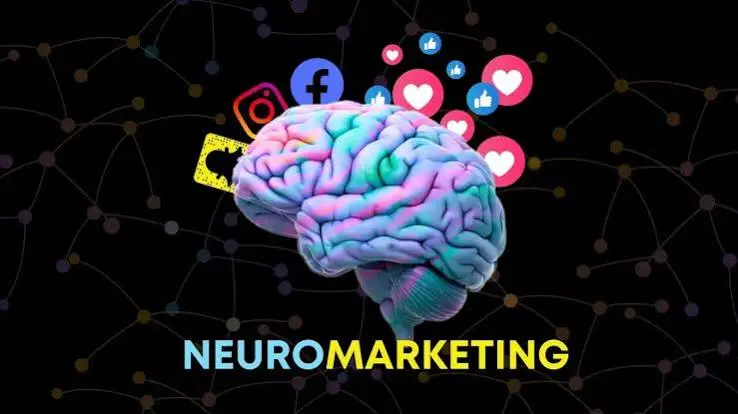
For decades, B2B marketing was driven by a simple assumption: business decisions are made rationally, based on logic, pricing, and product capabilities. While these factors remain important, recent research in behavioral science and neuroscience suggests that purchasing decisions—even in complex B2B environments—are influenced by far more than spreadsheets and specifications.
Behind every business purchase is a person evaluating risk, building trust, seeking confidence, and making decisions under time constraints. This realization has given rise to neuromarketing, an approach that combines neuroscience, psychology, and marketing to better understand how people think, feel, and ultimately decide.
As artificial intelligence, buyer intent data, and behavioral analytics continue to evolve, neuromarketing is becoming an increasingly valuable framework for organizations seeking to create more meaningful customer experiences throughout the B2B buying journey.
The Modern B2B Customer Journey Has Changed
Today’s B2B customer journey rarely follows a predictable path.
A prospect may discover a company through an industry report, research solutions on multiple websites, engage with thought leadership on LinkedIn, attend a webinar, compare peer reviews, and revisit a vendor’s website several times before ever speaking with a sales representative.
According to recent Gartner research, B2B buyers spend only a small portion of their purchasing journey interacting directly with potential suppliers, while the majority of their time is spent independently researching solutions and validating decisions. At the same time, Google’s research on business buying behavior continues to highlight that B2B purchasing journeys involve numerous digital touchpoints before a buying decision is made.
This evolving landscape means marketers must understand not only what buyers are doing but why they are doing it.
That is precisely where neuromarketing creates value.
Neuromarketing Goes Beyond Traditional Analytics
Traditional marketing analytics measure actions.
Neuromarketing seeks to understand motivations.
Website traffic, email clicks, content downloads, and conversion rates reveal important behavioral outcomes, but they rarely explain the emotions or cognitive triggers influencing those actions.
Behavioral psychology demonstrates that factors such as familiarity, social proof, perceived authority, cognitive ease, trust, and risk reduction significantly influence decision-making.
For B2B marketers, this means creating experiences that reduce uncertainty rather than simply presenting more product information.
When marketing aligns with how buyers naturally process information, engagement becomes more authentic and purchasing decisions become easier.
Trust Is Becoming the Most Valuable Marketing Asset
Enterprise purchases often involve significant financial investment and long-term organizational impact.
Decision-makers naturally seek confidence before committing to a vendor.
Neuromarketing emphasizes that trust develops through repeated positive interactions rather than a single campaign.
Educational content, customer success stories, analyst recognition, industry certifications, transparent messaging, and consistent brand experiences all reinforce psychological confidence.
Instead of asking prospects to believe marketing claims, successful organizations allow buyers to build trust gradually through valuable experiences across every touchpoint.
Emotion Still Influences B2B Decisions
One of the biggest misconceptions in B2B marketing is that emotion plays little role in purchasing decisions.
In reality, business buyers experience the same psychological drivers as individual consumers.
Executives worry about making poor technology investments.
Procurement teams seek confidence in vendor reliability.
IT leaders prioritize minimizing operational risk.
Marketing executives want measurable business outcomes.
Behind every purchasing decision lies a desire to reduce uncertainty while achieving professional success.
Neuromarketing recognizes these emotional considerations and encourages marketers to address them directly through relevant messaging, reassuring customer evidence, and educational content that reduces perceived risk.
Artificial Intelligence Is Expanding Neuromarketing Capabilities
Artificial intelligence is transforming how organizations understand buyer behavior.
Rather than relying exclusively on historical campaign metrics, AI analyzes millions of behavioral interactions across websites, content engagement, CRM platforms, search behavior, and intent signals.
Machine learning identifies subtle behavioral patterns that would be impossible to detect manually.
This enables marketers to predict customer interests, personalize messaging, optimize content sequencing, and recommend next-best actions throughout the buying journey.
AI does not replace human understanding—it amplifies it by revealing behavioral insights at enterprise scale.
Personalization Works Best When It Reflects Human Behavior
Personalization has evolved far beyond inserting a prospect’s name into an email.
Today’s buyers expect communications that acknowledge their industry challenges, organizational priorities, buying stage, and information needs.
Neuromarketing strengthens personalization by considering how different audiences perceive information, evaluate credibility, and respond to messaging.
Instead of overwhelming prospects with excessive product features, marketers can emphasize the insights most relevant to each stakeholder’s priorities.
The result is content that feels helpful rather than promotional.
Decision Fatigue Is a Growing Challenge
Modern buyers face an overwhelming volume of information every day.
Whitepapers, webinars, product demonstrations, analyst reports, case studies, comparison websites, and peer recommendations compete for limited attention.
Behavioral science shows that excessive choices often delay decision-making.
Neuromarketing encourages marketers to simplify experiences.
Clear navigation, concise messaging, intuitive website design, logical content progression, and focused calls to action reduce cognitive effort while improving customer engagement.
Sometimes the best customer experience is simply making decisions easier.
Social Proof Continues to Influence Enterprise Purchases
People naturally look to others when making important decisions.
This psychological principle remains equally relevant in B2B purchasing.
Customer testimonials, independent reviews, implementation success stories, industry awards, analyst reports, client logos, and measurable business outcomes all strengthen buyer confidence.
When organizations demonstrate proven success rather than making unsupported claims, perceived risk decreases significantly.
Trust grows faster when buyers see evidence that similar organizations have already achieved positive results.
Neuromarketing Supports Better Sales and Marketing Alignment
Understanding buyer psychology benefits both marketing and sales teams.
Marketing can develop content that addresses emotional barriers before prospects engage with sales.
Sales professionals can tailor conversations around buyer concerns instead of relying on generic product presentations.
Shared behavioral insights improve lead nurturing, strengthen qualification processes, and create more productive customer conversations throughout the revenue lifecycle.
Rather than operating independently, both teams contribute to a unified customer experience.
Ethics Must Remain at the Center of Neuromarketing
As organizations gain deeper insights into customer behavior, ethical responsibility becomes increasingly important.
Neuromarketing should never manipulate or exploit customers.
Instead, it should help organizations communicate more clearly, deliver greater value, reduce unnecessary complexity, and respect customer privacy.
Responsible use of behavioral intelligence strengthens long-term relationships while reinforcing brand credibility.
Trust, once earned, remains one of the strongest competitive advantages in B2B marketing.
The Future of the B2B Customer Journey
The next generation of B2B marketing will combine artificial intelligence, behavioral science, first-party data, predictive analytics, and human creativity to deliver experiences that are both intelligent and empathetic. Organizations that understand how buyers think—not just how they click—will be better positioned to build trust, shorten sales cycles, and foster lasting customer relationships.
Neuromarketing is not about replacing data with emotion; it is about enriching data with a deeper understanding of human decision-making. As customer expectations continue to evolve, businesses that embrace this balanced approach will create more meaningful interactions and stronger business outcomes.
If your organization is looking to elevate its customer engagement strategy through data-driven insights, AI-powered personalization, and modern demand generation solutions, reach out to Acceligize. With extensive expertise in B2B marketing, buyer intelligence, and revenue-focused campaigns, Acceligize helps organizations connect with the right decision-makers, deliver personalized experiences, and transform customer insights into measurable business growth.
