
Construction sites are among the most dangerous workplaces because workers deal with heavy machinery, sharp tools, falling materials, dust, chemicals, noise, and electrical risks. To reduce these dangers, workers need proper protection. This is where PPE becomes very important.
If you are wondering what is PPE in construction safety, the simple answer is: PPE stands for Personal Protective Equipment. It includes safety items that construction workers wear or use to protect themselves from injuries and workplace hazards.
PPE does not remove hazards completely, but it works as a protective barrier between the worker and the danger. In construction safety, PPE is one of the most important parts of accident prevention.
Meaning of PPE in Construction Safety
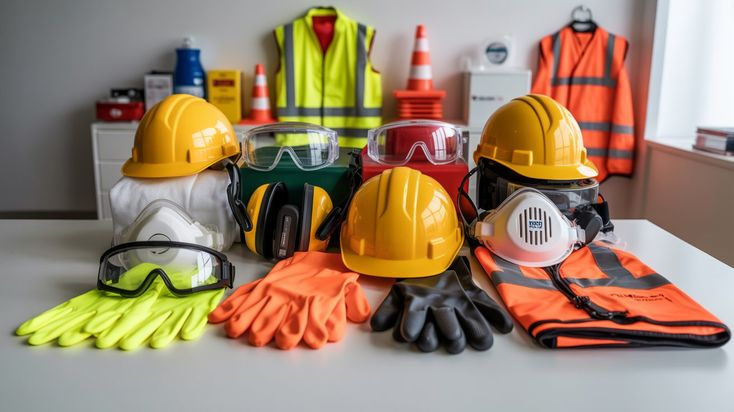
PPE means Personal Protective Equipment. In construction, PPE refers to equipment such as helmets, gloves, safety shoes, safety glasses, ear protection, reflective vests, face shields, and respiratory masks.
These items are designed to protect different parts of the body. For example, a safety helmet protects the head, safety shoes protect the feet, gloves protect the hands, and goggles protect the eyes.
Construction workers face many risks every day. Without PPE, even a small accident can cause serious injury. That is why PPE is considered a basic safety requirement on construction sites.
Why PPE Is Important in Construction
PPE is important because construction sites have many possible hazards. Workers may get injured by falling objects, sharp materials, flying dust, loud noise, chemical exposure, or slips and falls.
Proper PPE helps reduce the chances of injury. It also gives workers confidence while performing difficult tasks. When workers feel protected, they can focus better on their work.
For employers, PPE helps create a safer work environment. It also supports workplace safety rules and reduces accident-related delays. A construction site with proper PPE use looks more professional and responsible.
Common Types of PPE Used in Construction
Different types of PPE are used for different safety needs. Below are the most common PPE items used in construction safety.
1. Safety Helmet
A safety helmet, also called a hard hat, protects the head from falling objects, bumps, and impact injuries. On construction sites, materials, tools, or debris can fall from height. A safety helmet helps reduce the risk of serious head injury.
Some helmets also come with chin straps, face shields, or electrical protection, depending on the job type.
2. Safety Shoes
Safety shoes protect the feet from falling objects, sharp materials, nails, slips, and heavy equipment. Construction safety shoes usually have steel toe or composite toe protection.
Good safety shoes also have slip-resistant soles and puncture-resistant midsoles. They are especially important for workers who walk on rough, uneven, or dangerous surfaces.
3. Safety Gloves
Hands are used in almost every construction task, so they are exposed to cuts, burns, chemicals, sharp tools, and rough materials. Safety gloves protect the hands and improve grip while handling equipment or materials.
Different gloves are used for different jobs. For example, cut-resistant gloves are useful for sharp materials, while rubber gloves may be used for chemical-related work.
4. Safety Goggles and Face Protection
Dust, sparks, cement particles, metal pieces, and chemicals can damage the eyes. Safety goggles protect the eyes from flying particles and harmful substances.
Face shields are used when full-face protection is needed, especially during grinding, cutting, welding, or chemical handling.
5. High-Visibility Vest
High-visibility vests help workers remain visible on busy construction sites. These vests are usually bright-colored and reflective.
They are very useful for road construction, night work, and sites where vehicles, cranes, or heavy machinery are operating. A high-visibility vest helps machine operators and other workers notice a person from a distance.
6. Ear Protection
Construction sites can be very noisy because of drilling machines, generators, concrete mixers, and heavy equipment. Long-term exposure to loud noise can damage hearing.
Earplugs or earmuffs help protect workers from harmful noise levels. Workers using loud tools should always wear proper hearing protection.
7. Respiratory Protection
Construction workers may breathe in dust, cement particles, paint fumes, chemical vapors, or smoke. Respiratory protection such as masks and respirators helps protect the lungs.
Simple dust masks may be used for light dust, while proper respirators are needed for harmful fumes or chemical exposure.
How PPE Protects Construction Workers
PPE protects workers by reducing direct contact with hazards. For example, if a heavy tool falls, a helmet can reduce the impact on the head. If a worker steps on a nail, puncture-resistant safety shoes can help prevent injury.
Similarly, goggles stop dust from entering the eyes, gloves protect hands from cuts, and ear protection reduces noise damage. Each PPE item has a specific purpose, and together they provide complete workplace protection.
However, PPE only works properly when it is used correctly. Wearing the wrong size, damaged equipment, or low-quality PPE can reduce safety.
Tips for Using PPE Correctly
Workers should always choose PPE according to the job and hazard level. PPE should fit properly and feel comfortable enough for daily use. If safety equipment is damaged, it should be replaced immediately.
Employers should provide training so workers know how to wear, use, clean, and store PPE. Regular inspection is also important because damaged PPE may fail during an accident.
Workers should not remove PPE while working in risky areas. Even a short moment without protection can lead to injury.
PPE and Construction Site Safety Culture
PPE is not just equipment; it is part of a strong safety culture. When everyone on a construction site uses PPE properly, it sends a clear message that safety comes first.
Supervisors should encourage PPE use and set a good example. Workers should also remind each other to follow safety rules. A good safety culture reduces accidents and improves teamwork.
Conclusion
So, what is PPE in construction safety? PPE means Personal Protective Equipment, and it includes safety gear used to protect construction workers from workplace hazards. Common PPE includes helmets, safety shoes, gloves, goggles, reflective vests, ear protection, and respiratory masks.
Construction sites are full of risks, but proper PPE can reduce injuries and help workers stay safe. Whether the job involves heavy machinery, sharp tools, dust, noise, or electrical hazards, the right PPE plays an important role in worker protection.
Using PPE correctly is a simple but powerful step toward safer construction work. For every worker and employer, PPE should always be treated as a necessary part of construction safety.
FAQs
1. What does PPE stand for in construction?
PPE stands for Personal Protective Equipment. It includes safety gear used to protect construction workers from injuries and workplace hazards.
2. Why is PPE important in construction safety?
PPE is important because it protects workers from risks such as falling objects, sharp tools, dust, noise, chemicals, slips, and electrical hazards.
3. What are common examples of PPE in construction?
Common construction PPE includes safety helmets, safety shoes, gloves, goggles, face shields, reflective vests, earplugs, and respiratory masks.
4. Is PPE enough to prevent all construction accidents?
No, PPE reduces risk but does not remove hazards completely. It should be used along with proper training, safe work methods, and site safety rules.
5. Who is responsible for PPE on a construction site?
Both employers and workers are responsible. Employers should provide proper PPE and training, while workers should wear and use it correctly.
