
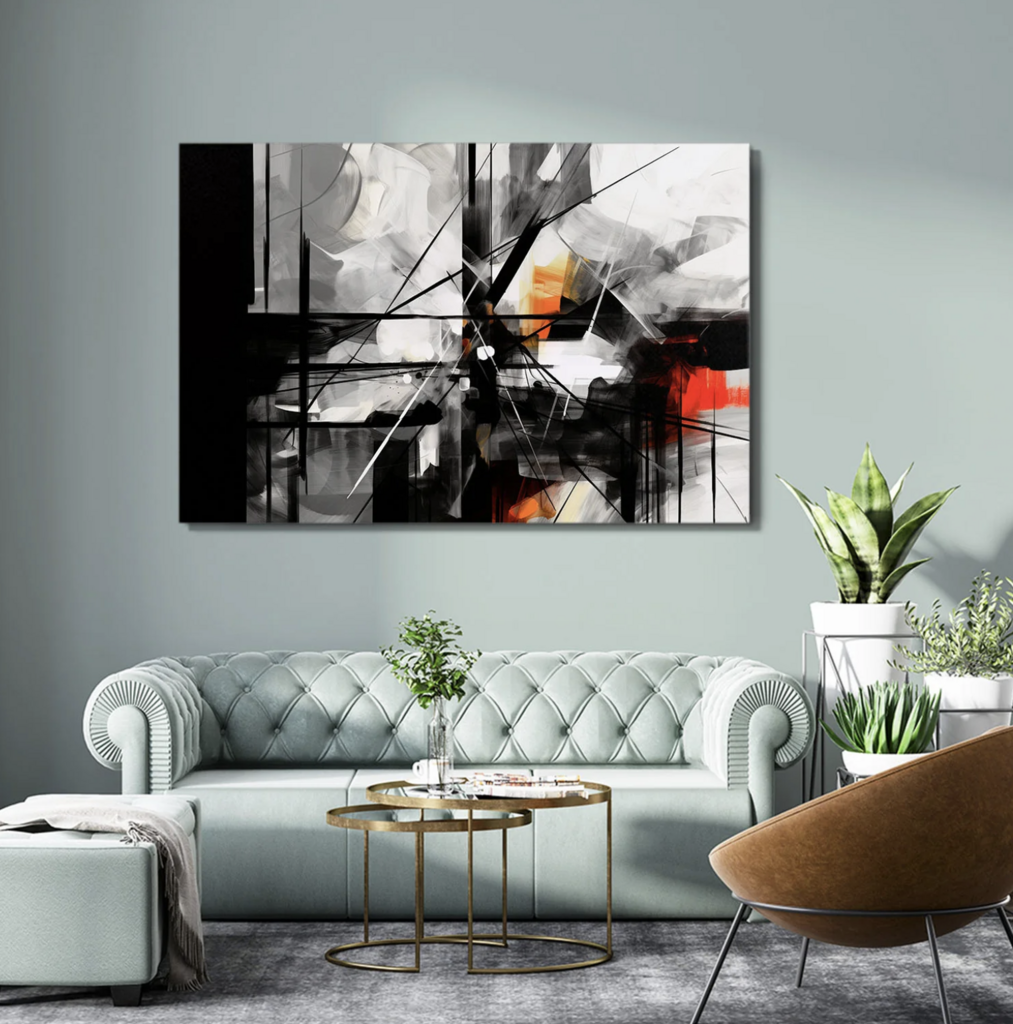
A designer-looking interior is not only about expensive furniture, perfect lighting, or luxury materials. Very often, the difference between an ordinary room and a polished room comes down to the walls. Wall art gives a space identity, emotion, balance, and a clear focal point. Without it, even a well-furnished room can feel unfinished. With the right artwork, the same room can look intentional, elevated, and professionally styled.
Wall art is one of the easiest ways to make a home feel curated. It can introduce color, create atmosphere, guide the eye, and connect different elements in the room. A sofa, rug, coffee table, and lamp may all look good separately, but art helps them feel like part of one complete design story.
The key is not simply hanging something on the wall. The key is choosing art with purpose. Designer interiors look effortless because every detail feels considered, and wall art plays a major role in that effect.
Start With the Mood of the Room
Before choosing wall art, decide how you want the room to feel. This is how interior designers think. They do not start with random decoration. They begin with atmosphere.
A living room may need to feel warm, elegant, bold, or welcoming. A bedroom may need calm, softness, and intimacy. A home office may need focus and creativity. A dining area may need drama and conversation.
Once the mood is clear, the artwork becomes easier to choose. A soft abstract canvas can create peace. A bold black-and-white piece can create sophistication. A colorful artwork can make a neutral room feel alive. A large nature-inspired piece can bring warmth and depth.
The best wall art supports the emotional purpose of the room.
Use Art as a Focal Point
Every designer-looking room needs a focal point. This is the place where the eye naturally lands first. Without one, the room can feel scattered or incomplete. Wall art is one of the strongest ways to create that focal point.
A large canvas above a sofa, bed, fireplace, console table, or dining bench can instantly organize the room. It gives the space visual direction and makes the furniture around it feel more intentional.
This is why choosing a strong piece from MusaArtGallery statement pieces can help transform a plain room into a space that feels curated. A focal point does not need to be loud, but it does need presence. The artwork should feel important enough to hold the wall.
Choose the Right Scale
Scale is one of the biggest secrets behind designer interiors. Many homeowners make the mistake of choosing art that is too small. A small artwork on a large empty wall often looks weak, even if the piece itself is beautiful.
Designer-style wall art usually has confidence. It fills the wall properly and relates to the furniture below it. Above a sofa, the artwork should take up a generous portion of the sofa’s width. Above a bed, it should feel centered and balanced. On a blank wall, it should be large enough to create impact without overwhelming the space.
One oversized artwork often looks more expensive than several small pieces. It creates clarity, confidence, and visual calm.
Build a Color Story
Wall art can help connect the color palette of a room. This does not mean the artwork must match every cushion, rug, or curtain perfectly. In fact, overly matched rooms can feel flat. The goal is harmony, not exact repetition.
A designer-looking room often uses art to pull colors together. For example, if the room has beige furniture, black accents, and warm wood, an artwork that includes similar tones can make everything feel connected. If the room is very neutral, a piece with one strong accent color can add energy without making the space feel chaotic.
Art can also introduce contrast. A dark canvas in a light room can feel dramatic. A soft artwork in a bold room can create balance. The right color relationship makes the room feel more thoughtful.
Let the Art Breathe
Designer interiors do not feel overcrowded. They use negative space carefully. Negative space is the empty area around furniture, decor, and artwork. It helps important pieces stand out.
One common mistake is surrounding wall art with too many small objects, shelves, frames, or decorative items. This can weaken the impact of the piece. If the artwork is meant to be a focal point, give it room to breathe.
A large artwork on a clean wall can look more luxurious than a wall filled with many small decorations. Simplicity often creates more impact than clutter.
Match the Art to the Interior Style
Wall art should feel connected to the overall style of the room. A modern interior may work best with abstract art, minimalist compositions, black-and-white photography, or bold contemporary pieces. A warm rustic space may need nature-inspired art, earthy tones, or textured canvas prints. A luxury interior may work well with gold, black, deep colors, or dramatic oversized pieces.
The artwork does not need to follow the room too literally, but it should feel like it belongs. A designer-looking space has visual consistency. The art, furniture, lighting, and decor should all speak the same design language.
Pay Attention to Placement
Placement can make or break the final result. Even beautiful wall art can look awkward if it is hung too high, too low, or too far from the furniture.
Above a sofa or bed, the artwork should feel connected to the furniture below it. It should not float too high on the wall. In most cases, keeping the art closer to the furniture creates a more professional look.
In hallways or open wall areas, art should usually be around eye level. The goal is comfort. People should be able to enjoy the piece naturally without looking too far up or down.
Use Wall Art to Add Texture
Designer interiors often feel layered. Texture is a big part of that. Wall art can add visual texture through brushstroke effects, canvas finishes, abstract movement, color depth, or layered compositions.
This matters especially in rooms with simple furniture and neutral colors. A textured artwork can prevent the room from feeling flat. It adds richness without requiring more furniture or clutter.
Canvas art is especially useful because it has more visual presence than a flat poster. It feels more substantial and often makes the room look more finished.
Create Balance With the Furniture
Wall art should not feel separate from the room. It should balance the furniture. A large sofa needs artwork with enough visual weight. A small console may need a vertical piece above it. A dining area may need a wide canvas to echo the length of the table.
Think of art and furniture as one composition. The artwork should complete the arrangement, not simply fill an empty space.
This is what makes interiors look designer-level. Every element feels connected.
Why Wall Art Creates Maximum Impact
Wall art has maximum impact because it changes the entire perception of a room. It adds personality, creates a focal point, controls color, improves balance, and makes the space feel complete.
A designer-looking interior does not need to be complicated. It needs intention. Choose artwork that matches the mood, fits the wall, supports the color palette, and feels connected to the furniture. When those elements work together, the room immediately feels more polished.
The right wall art can turn a plain interior into a memorable one. It gives the home character, confidence, and atmosphere. Most importantly, it makes the space feel finished — the way a designer intended it to feel.
