
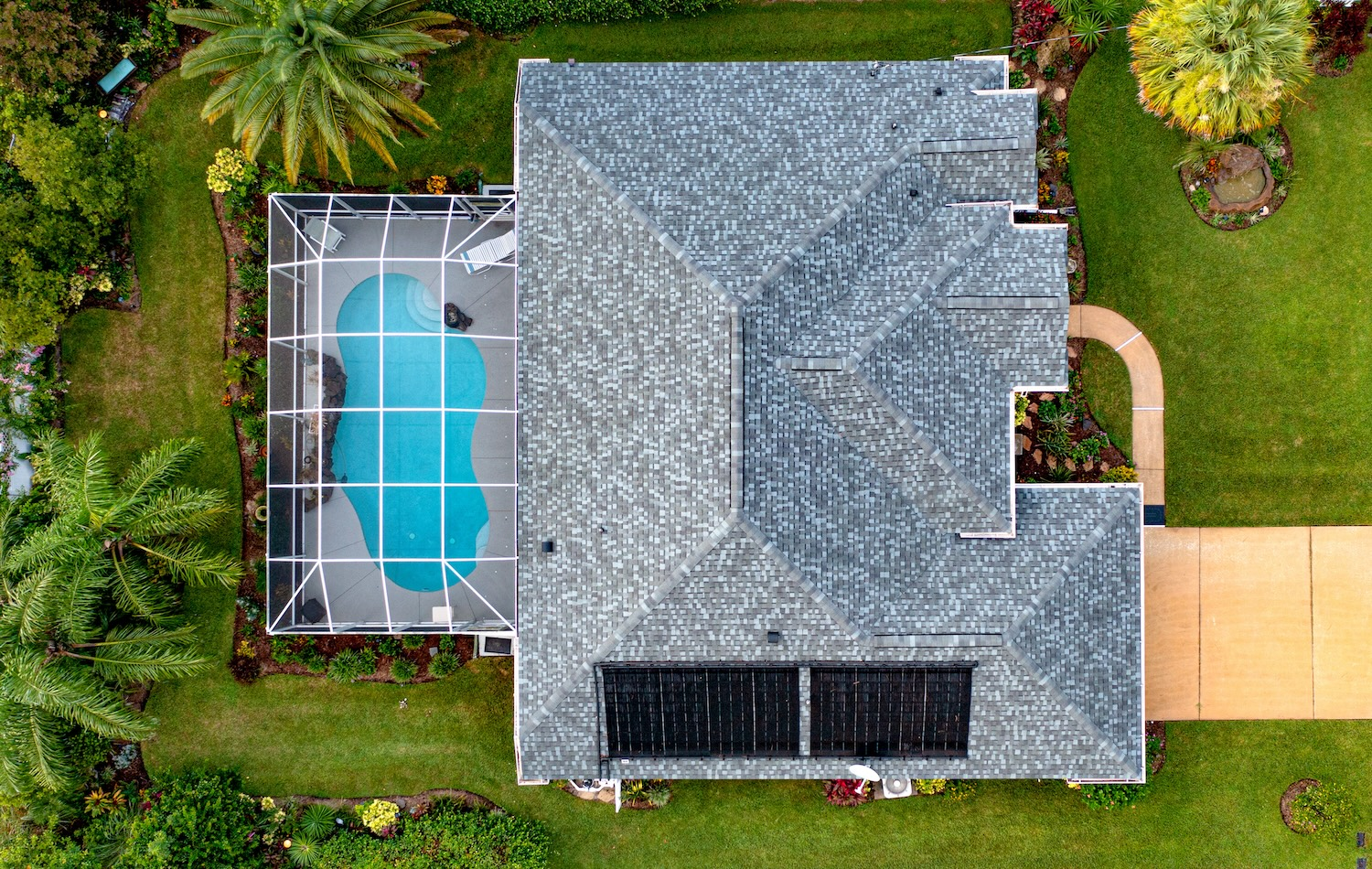
A backyard pool can be the thing that sells a house. It can also be the thing that quietly costs the new owner tens of thousands of dollars a year after closing. In Dallas-Fort Worth, where expansive clay soil works against every pool in the ground, the gap between “looks great at the showing” and “structurally sound” can be wide. The problem is that the standard home inspection does very little to close that gap.
If you are buying a home with a pool here, a dedicated pool leak inspection belongs on your due diligence list, and ideally before you waive any options.
What a regular home inspection misses
A general home inspector does an enormous amount of valuable work, but the pool is usually not their specialty. Most will note the obvious: whether the pump runs, whether the surface looks intact, whether the equipment is present. What they typically do not do is pressure test the underground plumbing, listen acoustically for leaks, or dye test the shell and fittings. Those are the tests that reveal the expensive problems, and they require pool-specific equipment and training.
That means a pool can pass a general inspection while hiding a cracked return line, a failing skimmer seal, or a slow shell leak that is already feeding water into the soil. None of that shows up in a quick visual walk-around.
Why it matters more in DFW
The local soil raises the stakes. When a pool leaks here, the escaping water saturates the clay underneath, and that clay swells and shrinks with the seasons. Over time that movement cracks decks, shifts coping, and can reach the home’s foundation. A leak you inherit at closing is not a static problem. It is an active process that gets more expensive the longer it runs.
The cost curve is steep. A small seal repair caught early can run a few thousand dollars. The same leak left to work on the soil for six to twelve months can grow into structural cracks, pier installation, and deck replacement that climbs well past twenty thousand. As a buyer, you want to know which side of that curve you are stepping onto before you own it.
What a pool leak inspection actually covers
A proper pre-purchase pool inspection goes past the surface. A specialist will pressure test the plumbing lines to confirm they hold, use acoustic equipment to listen for escaping water, run dye tests at cracks and fittings, and check the equipment pad rather than just the pool itself. The result is a clear picture of whether the pool is losing water and where, which you can take straight to the negotiating table.
This is also why home inspectors across DFW refer pool work to leak specialists during the buying process. They know the limits of a general inspection and they would rather hand off the pool to someone who tests it properly. Mr. Pool Leak Repair is one of the companies inspectors and structural engineers across the metro rely on for exactly this, with more than 20,000 leaks found and a structural background that helps them read what a crack actually means.
How to use the findings
A clean inspection gives you peace of mind and a pool you can enjoy on day one. A report that finds a leak gives you leverage. You can ask the seller to repair it before closing, request a credit to cover the work, or adjust your offer to reflect a repair you will manage yourself. Either way you are negotiating with facts instead of discovering the problem after the keys change hands.
The cost of the inspection is small next to the price of the home and tiny next to the cost of an unaddressed structural leak. For a few hundred dollars you turn the pool from an unknown into a known quantity.
The takeaway
In DFW, a pool is a feature and a liability at the same time, and a general home inspection will not tell you which one you are buying. Add a dedicated leak inspection to your checklist, schedule it during your option period, and let the results shape your negotiation. It is the cheapest insurance you will buy in the whole transaction.
Frequently Asked Questions
Does a standard home inspection include the pool’s plumbing? Usually not in any depth. Most general inspections cover visible condition and basic equipment function, not pressure testing of underground lines or dye testing of the shell.
When should I schedule the pool leak inspection? During your option or due diligence period, before you waive contingencies, so any findings can still shape your negotiation or your decision to proceed.
What if the inspection finds a leak? You can request that the seller repair it, ask for a credit, or adjust your offer. A documented leak report gives you a factual basis to negotiate from.
