
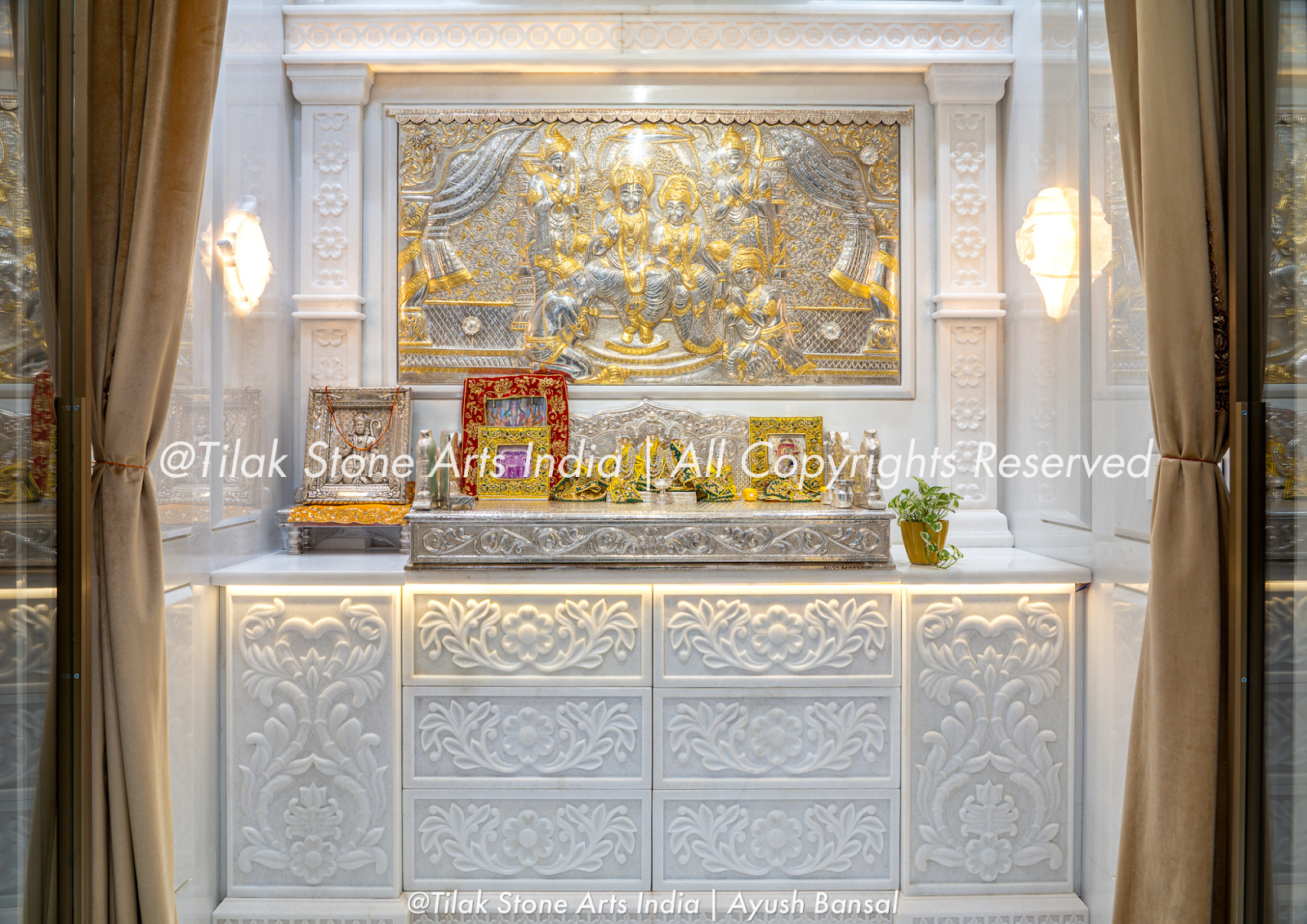
For centuries, temple architecture has shaped the spiritual identity of Indian households. Long before interior design became a profession, families intuitively recreated the reverence of grand sacred structures within their own walls. That instinct has not faded even today. If anything, it has deepened, with homeowners today seeking to create spiritual spaces that carry genuine architectural meaning rather than decorative imitation.
The demand for a luxury marble temple within the home is not a passing trend. It reflects something far more deliberate: a conscious decision to honour ancestral design traditions while meeting the standards of a modern, refined interior. Families want temples that feel earned, not assembled. They want structures that hold presence in a room and command stillness simply by existing in a corner or a dedicated alcove.
When Stone Spoke Before Words Did
The Language of Sacred Geometry: Ancient Indian temples were not designed arbitrarily. Every proportion, every carved motif, every directional alignment followed principles rooted in sacred geometry, a body of knowledge that codified sacred space thousands of years ago. These systems ensured that structures resonated energetically with those who entered them, creating an atmosphere that felt intentional rather than accidental.
From Grand Courtyards to Intimate Niches: The same principles that governed massive stone temples across Tamil Nadu and Rajasthan are now being carefully translated into home-scale designs. Architectural elements like the shikhara, the mandapa, and the garbhagriha find new expression in compact, handcrafted forms built for a dedicated prayer corner or a purpose-built alcove.
The Material That Carries the Intention
Why Marble Remains Irreplaceable: Stone has always been the language of permanence in sacred architecture. Among all options available today, Vietnam White Marble stands apart. Its dense, fine grain absorbs less moisture than most natural stones, resists discolouration across decades, and carries a luminosity that feels almost lit from within. This is material behaviour, observable and consistent.
Varieties Worth Knowing: Vietnam White Marble is available in several grades, and each one affects how light behaves across the surface differently. Super Fine White Vietnam Marble, Swiss White Marble, and White Vietnam Marble each carry subtly different tonal qualities. The choice between them matters more than most buyers initially realise, especially when the temple is positioned near a natural light source.
Where the Carver’s Hand Still Matters
Trained Eyes, Not Just Trained Hands: Artisanship in temple design carries weight that machinery cannot replicate. Designers who have studied actual temple sites, observed how light falls across carved surfaces at different hours, and handled raw marble in quarry conditions bring a quality of judgement to their work that studio training alone cannot produce. That kind of exposure shows in the finished stone.
Design That Begins With Listening: The most considered home temples emerge from detailed conversations about household routine, the number of family members using the space, the direction of morning light, and ceiling height. Thoughtful spatial planning at this level prevents a beautiful temple from becoming an architecturally awkward addition to an otherwise cohesive interior.
The Detail That Changes Everything: The depth of a carved lotus, the precise angle of a column capital, the finish on a plinth — these are not merely decorative decisions. They are structural ones. Each carving choice affects how the eye moves across the temple, how shadows fall at different times of day, and ultimately how the piece settles into the room it occupies.
What Vastu Compliance Actually Requires
Vastu principles carry specific, practical implications for anyone placing a temple inside a home. They are not symbolic suggestions. They describe the relationship between physical space and human wellbeing in ways that architects and designers increasingly recognise. Getting placement right is often the first decision that shapes everything else about how a home temple is experienced day to day.
- The north-east zone is the preferred placement, as it aligns with incoming positive energy according to Vastu Shastra.
- The temple should never sit directly above a toilet, beneath a staircase, or inside a shared bedroom.
- Idols should face east or west, with the devotee facing the opposite direction during prayer.
- A slightly elevated platform is recommended to maintain a respectful distinction between the sacred and the everyday.
- The surrounding space should allow for comfortable movement, not just frontal access during prayer.
Adapting Scale Without Losing Meaning
From Monumental to Intimate: One genuine challenge in home temple design is preserving architectural dignity at reduced scale. A poorly proportioned miniature temple can look ornamental rather than sacred. Skilled designers address this by adjusting the ratio of vertical elements, increasing relief depth on carved sections, and selecting marble finishes that amplify visual weight without adding physical mass.
Customisation as a Craft Decision: Every household presents a different set of constraints. Ceiling height, wall finish, flooring material, and natural light availability each influence how a temple should be proportioned and finished. Custom carving and considered material selection allow the design to respond to those constraints rather than work around them with generic solutions that rarely hold up over time.
When Proportion Gets It Right: The temples that feel genuinely sacred in a home setting share a common quality: they do not look reduced in size. They look purposeful at their scale. Achieving that requires a designer who understands not just aesthetics but architecture, someone who treats the home temple as a structural commission rather than a decorative accessory.
The Space You Build Outlasts the Moment You Build It
A home temple is perhaps the single interior element that will outlast every furniture decision and renovation cycle a household goes through. Families who invest in genuine craftsmanship find that the space deepens in presence over decades rather than dates. For those ready to begin, prioritising material quality and thoughtful design from the outset is where the entire outcome is decided. Speak with specialists who can guide the full process, from material selection through to final installation.
