
Industrial pump systems rarely stop without leaving clues first. A drop in flow, a slight vibration in the housing, or a motor that runs hotter than usual often signals that something inside the system needs attention. When these early signs are ignored, small mechanical issues can grow into major failures that halt production and demand expensive repairs.
Submersible pumps operate in particularly demanding conditions. They move wastewater, stormwater, and industrial liquids through pipelines, treatment plants, and drainage systems where solids, debris, and continuous operation place constant stress on the equipment. When one pump fails, it can interrupt an entire process, from water treatment cycles to facility drainage.
Because of this, operators and maintenance teams benefit from knowing how to identify problems early and respond quickly. This guide walks through the most common warning signs, likely causes, and practical troubleshooting steps that help keep industrial submersible pumps running reliably. Understanding the basics of how these pumps work makes the next steps much easier to follow.
A Quick Look at How Submersible Pumps Work
Before troubleshooting begins, it helps to understand the basic idea behind a submersible pump. Unlike surface pumps, these units operate while fully submerged in liquid. The sealed motor drives an internal impeller that pushes water or wastewater through a discharge pipe.
Because the pump sits directly in the fluid, it does not need priming and can move large volumes of liquid efficiently.
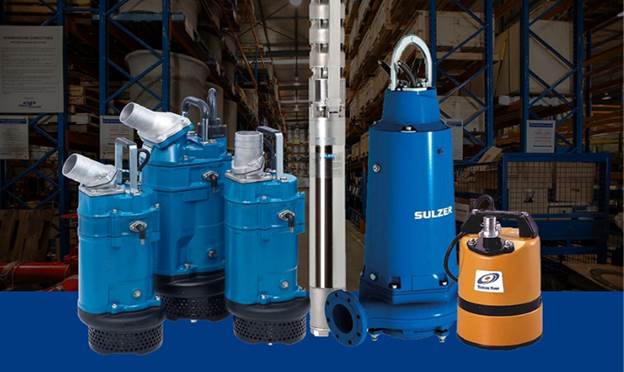
Many wastewater facilities rely on durable equipment such as Sulzer submersible pumps to move solids-laden water safely through treatment systems. These pumps are designed to handle demanding conditions where debris, sand, and constant operation are common.
Main Parts Inside the Pump
Several components work together to keep the pump operating safely:
- Motor: Provides the power that drives the pump. In submersible designs, the motor is sealed to prevent water entry.
- Impeller: A rotating component that pushes liquid through the pump and into the discharge pipe.
- Mechanical seals: Protective barriers that prevent water from reaching the motor housing.
- Pump housing: The outer casing that holds the internal components and directs fluid flow.
- Power cable and control system: Deliver electricity and allow operators to monitor and control operation.
Each part plays a role in moving water while protecting the motor from the surrounding liquid.
Where These Pumps Are Commonly Used
Submersible pumps are widely used in industries that handle large volumes of water or wastewater. Common applications include:
- Wastewater treatment plants where sewage moves between treatment stages
- Industrial drainage pits that collect excess process water
- Flood control stations designed to remove stormwater quickly
- Mining and construction sites where groundwater must be removed
Because these environments involve debris, heavy usage, and changing conditions, pump performance must be monitored closely. Understanding where and how these pumps operate makes it easier to recognize when something begins to go wrong.
Early Signs Something Isn’t Right
Industrial pumps rarely fail without warning. In most cases, small performance changes appear first. Maintenance teams who notice these early signals can often prevent larger failures and costly downtime.
Lower Flow Than Usual
A reduction in flow is one of the most common warning signs. Possible causes include:
- Blocked intake openings that restrict water entering the pump
- Worn impellers that can no longer push fluid efficiently
- Debris buildup inside the pump housing
For example, wastewater systems often contain fibrous materials such as wipes or rags. Over time, these materials can collect around the impeller and gradually reduce pumping capacity.
Unusual Noise or Vibration
Pumps normally produce a steady, predictable sound during operation. When the sound changes, it often indicates a mechanical issue.
Potential causes include:
- Damaged or worn bearings
- Cavitation, where vapor bubbles form and collapse inside the pump
- Misalignment in connected piping
Vibration is often one of the first symptoms technicians notice during routine inspections.
Pump Overheating or Frequent Shutdown
Temperature increases can signal that the motor is under stress. Common reasons include:
- Electrical overload conditions
- Cooling problems inside the motor housing
- Clogged impellers forcing the motor to work harder
Many modern pumps include thermal protection systems that automatically shut down the motor when temperatures become unsafe. While this feature prevents severe damage, repeated shutdowns indicate that a deeper problem needs attention.
Step-by-Step Troubleshooting Process
When a pump begins to perform poorly, a systematic troubleshooting process helps identify the cause quickly. Instead of guessing, technicians can follow a logical sequence of checks to narrow down the issue.
Step 1 – Check the Intake Area
Start with the most common source of trouble: blockages.
Look for:
- debris near the intake
- sludge buildup
- tangled fibers such as rags or plant material
Clogging is one of the leading reasons pumps lose efficiency. Clearing debris from the intake and impeller area often restores normal performance.
Step 2 – Inspect Electrical Components
If the pump still struggles after clearing blockages, examine the electrical system. Key checks include:
- verifying that the power supply is stable
- inspecting cables for physical damage
- reviewing control panel alarms or error codes
Electrical problems can stop a pump even when its mechanical components are in good condition.
Step 3 – Evaluate Pump Performance
Finally, compare the pump’s current performance with its expected operating range. Important indicators include:
- Flow rate
- Discharge pressure
- Power consumption
If these numbers fall outside normal ranges, the pump may be operating under unusual conditions or experiencing internal wear. This structured approach helps technicians identify the real cause rather than relying on guesswork.
Common Causes of Submersible Pump Failure
Understanding the typical causes of pump failure helps operators address issues early and reduce system downtime.
Solid Debris and Clogging
Wastewater and drainage systems often contain materials that pumps were not designed to handle. Examples include:
- disposable wipes
- plastic fragments
- fibrous waste and plant material
These items can wrap around the impeller or block intake openings. Over time, this reduces efficiency and places extra stress on the motor.
Seal Damage and Water Ingress
Mechanical seals protect the motor from the surrounding liquid. When these seals wear out or become damaged:
- moisture can enter the motor housing
- internal electrical components may corrode or short circuit
Seal failures are a common reason pumps require repair or replacement.
Running Outside Design Conditions
Submersible pumps perform best within specific operating ranges. Problems often appear when pumps run:
- with insufficient water levels
- against incorrect system pressure
- in applications they were not designed for
Operating outside these limits forces the pump to work harder than intended. Over time, this additional stress shortens the lifespan of critical components and increases the likelihood of failure.
Preventive Maintenance That Reduces Problems
Troubleshooting becomes much easier when pumps receive consistent maintenance. Regular inspections help operators identify small issues before they grow into costly failures. In many facilities, preventive maintenance is the difference between stable operations and unexpected downtime.
Routine Inspections
Routine checks help ensure that all pump components continue working as intended. During scheduled inspections, operators should look closely at several areas:
- Intake screens: Remove debris that could restrict water flow.
- Impeller condition: Check for wear, damage, or material buildup.
- Electrical cables: Inspect for cracks, cuts, or loose connections.
- Mechanical seals: Confirm that seals remain intact and free from leakage.
Small maintenance tasks often prevent larger mechanical problems. Clearing debris or replacing a worn seal early can save hours of repair work later.
Monitoring Pump Performance
Beyond visual inspections, performance monitoring provides valuable insights into pump health. Many modern facilities track key operating signals, including:
- Vibration levels
- Motor temperature
- Power usage
Changes in these indicators often appear before mechanical failures occur. When maintenance teams track this data regularly, they can detect abnormal trends and address problems before the pump stops working.
How Pump Design Influences Reliability
The design of a pump plays a major role in its reliability and ease of maintenance. Engineers often incorporate features that reduce common problems and improve long-term performance.
For example, modern industrial pumps may include anti-clog impellers that allow solids to pass through without blocking the system. Corrosion-resistant materials are also widely used to protect components from aggressive wastewater environments.
In many industrial facilities, systems may combine submersible units with process equipment such as Sulzer centrifugal pumps that handle higher-pressure fluid movement in pipelines and process loops. Each pump type serves a different role depending on flow and pressure requirements.
Energy-efficient motors are another important improvement. High-efficiency designs help reduce electricity consumption while maintaining consistent performance. When pumps are engineered with durability and efficiency in mind, operators spend less time dealing with unexpected breakdowns.
When Repair Makes Sense — And When Replacement Is Better
Not every pump problem requires full replacement. In many cases, repairing worn parts can restore performance and extend the equipment’s lifespan. However, there are situations where replacement becomes the more practical option.
Several factors influence this decision:
- Age of the pump: Older equipment may be nearing the end of its service life.
- Frequency of breakdowns: Repeated failures often indicate deeper mechanical wear.
- Cost of replacement parts: Major components can be expensive to repair.
- Energy efficiency improvements: Newer pumps often consume less electricity.
Even if an older pump continues to operate, it may require frequent maintenance and higher operating costs. When repair expenses continue to rise, upgrading to a newer system can improve efficiency and reduce long-term maintenance needs.
Conclusion
Industrial submersible pumps are built to operate in challenging environments where water, debris, and constant operation place heavy demands on equipment. Despite their durability, these systems still require attention and regular care.
Understanding early warning signs such as reduced flow, unusual vibration, or overheating helps operators respond before serious damage occurs. Combined with routine inspections and performance monitoring, these troubleshooting practices can prevent unexpected downtime.
In many facilities, the most effective approach is proactive maintenance supported by a clear understanding of how pump systems operate. When operators recognize small performance changes early, they can resolve issues quickly and keep essential pumping systems running safely and efficiently.
