
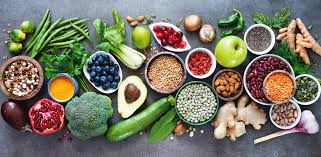
The university experience is often described as a whirlwind of late-night study sessions, back-to-back lectures, and the constant pressure of deadlines. While most students reach for a third cup of coffee or a sugary energy drink to power through, there is a more sustainable—and scientifically backed—way to sharpen the mind. Transitioning to a plant-based diet isn’t just an ethical or environmental choice; it is a strategic academic move.
Understanding the connection between what you put on your plate and how your brain processes information is the first step toward academic excellence. Here is how fueling your body with plants can transform your cognitive performance.
The Brain-Food Connection: Why Plants Matter
The human brain is an energy-intensive organ, consuming about 20% of the body’s total calories. However, it isn’t just about the quantity of calories; it’s about the quality. A diet rich in fruits, vegetables, legumes, and whole grains provides a steady stream of glucose, the brain’s primary fuel source, preventing the “brain fog” often associated with processed foods.
Antioxidants found in colorful plants, such as blueberries and kale, protect brain cells from oxidative stress. When you are deep into complex subjects, your brain produces free radicals. Without enough antioxidants to neutralize them, you might experience mental fatigue. By prioritizing plant-based nutrition, you are essentially giving your brain a shield against the wear and tear of a rigorous semester.
Enhancing Memory and Concentration
One of the biggest hurdles for any student is information retention. Whether you are memorizing chemical formulas or historical dates, your hippocampus—the area of the brain responsible for memory—needs specific nutrients to function.
Research suggests that Vitamin K, Lutein, and Beta-carotene (all abundant in leafy greens) help slow cognitive decline and improve memory recall. Furthermore, the high fiber content in a plant-based diet regulates blood sugar. Instead of the “sugar crash” that follows a fast-food lunch, a quinoa salad or a lentil stew provides slow-release energy. This stability is crucial when you are sitting through a three-hour seminar or focusing on intricate tasks. Often, when the workload becomes overwhelming despite a healthy diet, students look for professional academic assistance to balance their mental well-being with their GPA requirements.
Managing Stress and Mental Clarity
University life is synonymous with stress. High levels of cortisol, the stress hormone, can actually shrink the brain’s prefrontal cortex, which is responsible for decision-making and focus. Fortunately, plant-based diets are naturally high in magnesium and B vitamins, which play a vital role in regulating the nervous system.
Foods like pumpkin seeds, bananas, and almonds act as natural stress-busters. When your nervous system is calm, your ability to think critically improves. You’ll find that you can approach a difficult essay or a daunting research project with a clearer head. In an era where digital distractions are everywhere, maintaining this level of mental clarity is a competitive advantage. Interestingly, the impact of technology on modern academic performance shows that while tools are helpful, the human brain remains the most important asset, and keeping it healthy is paramount.
Boosting Sleep Quality for Better Learning
Sleep is when the brain “cleans” itself, flushing out toxins and consolidating memories from the day’s study sessions. Many plant-based foods, such as cherries, walnuts, and oats, are natural sources of melatonin or help the body produce serotonin.
Better sleep leads to better grades. When you aren’t tossing and turning, you wake up with a higher level of “neuroplasticity”—the brain’s ability to form new connections. This makes it significantly easier to grasp new concepts during morning lectures.
Sustaining Long-Term Academic Success
Consistency is the secret to graduating with honors. It is easy to stay focused for one day, but staying sharp for four years is the real challenge. A plant-based lifestyle reduces inflammation throughout the body, including the brain. Chronic inflammation has been linked to lower cognitive scores and a lack of motivation.
By fueling your body with various phytonutrients, you’re not just studying for the next exam; you’re building a resilient mind. Of course, even the healthiest diet can’t add more hours to the day. When the mid-term season hits and every professor assigns a major project at once, seeking out reliable coursework help services can be a smart way to manage your time without sacrificing your health or your grades.
Practical Tips for the Plant-Based Student
Starting a plant-based journey doesn’t have to be expensive or complicated. Here are a few “student-friendly” ways to get started:
- Batch Cook: Prepare large portions of chickpea curry or brown rice pasta on Sundays to avoid the temptation of junk food during the week.
- Smart Snacking: Swap chips for walnuts or sunflower seeds. These are “brain foods” rich in Omega-3 fatty acids.
- Stay Hydrated: The brain is mostly water. Even mild dehydration can lead to a significant drop in concentration.
- Keep it Simple: A peanut butter and banana sandwich on whole-grain bread is a perfect, budget-friendly brain fuel.
Conclusion
Your academic journey is a marathon, not a sprint. While it’s tempting to rely on caffeine and processed snacks, your brain deserves better. By incorporating more plant-based meals into your routine, you’re investing in your cognitive longevity, your mood, and your future career. Feed your brain well, and it will return the favor when you’re staring down your most challenging finals.
