
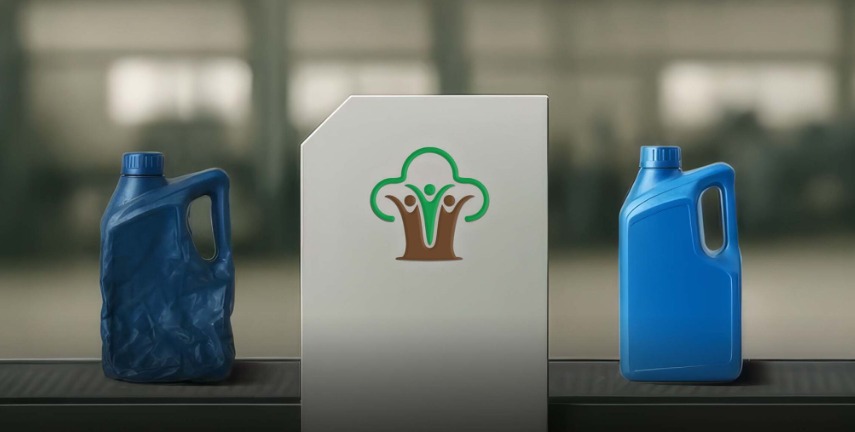
Plastic waste is one of the most obvious sustainability problems in today’s world. Landfills are overflowing, oceans are smelling worse than ever, and brands are facing increasing scrutiny of how they create, produce, and recycle plastic packaging. Sustainability promises now need to translate into tangible action if companies want to meet the rising expectations of consumers, regulators, and investors. This interplay has turned bottle recycling into an especially strategic battleground for FMCG, beverage, personal care and retail brands aiming to function more environmentally friendly without sacrificing packaging shelf life and consumer confidence. By cutting virgin plastic and lowering carbon emissions, bottle recycling enables brands to cut their plastic footprint while feeding into circular packaging systems.
What is Plastic Footprint in the Packaging Sector?
The plastic footprint of a brand captures the total quantity of plastic released from such a brand into the environment, throughout its packaging lifecycle, from raw material extraction to end-of-life disposal. Packaging is by far the largest contributor to this footprint in most consumer-facing companies. The consumption of plastics is particularly high due to single-use bottles, excessive secondary packaging and short product life cycles.
This footprint is no longer an internal metric today. With regulators introducing stringent packaging regulations, investors scrutinising sustainability performance, and environmentally conscious consumers selecting brands that are consistent with their sustainable ideals, the tide has indisputably turned. Lessening plastic footprint has hence become a compliance need as well as a competitive excellence.
Understanding the Bottle Recovery and Reprocessing System
In a broader sense, recycling bottles follows a linear path: collect → sort → clean → process. Post-consumer bottles are sourced from homes and commercial sources, sorted by type of polymer and colour, washed to remove foreign material, and processed into plastic granules for recycling.
There is an important difference between downcycling, which means the recycled plastic is utilised for lower-value applications, and bottle-to-bottle recycling, which means the material can be perpetually reused in food-grade packaging. PET remains the only plastic that retains quality across multiple recycling cycles, making it the ideal candidate for circular packaging solutions.
Decreasing Reliance on Virgin Plastic via Recycled Material
One direct way we can benefit from bottle recycling is by reducing our reliance on virgin plastic. For every ton of recycled plastic we make use of in the packaging, this is a ton less of virgin plastic based on fossil fuels. However, this means less oil and gas to burn, and less extraction and refining that damages the environment.
Today’s global and top Indian brands use anywhere from 25 to 100% recycled content in their bottles. Not only do these shifts provide the opportunity for a lower cost of raw material over time, but they also safeguard brands against future fluctuations in supply when there will be increasingly stringent regulations against virgin plastic usage.
Reducing Environmental Impact and Carbon Emissions
It takes considerably less energy to create plastic from recycled material than it does to make virgin plastic. Those recycled plastic bottles create an extremely small carbon footprint as a result. By using recycled packaging, brands are taking greenhouse gas emissions out of their supply chains, while also keeping waste out of landfills and oceans.
Aside from emissions, proper recycling can tackle pollution, and fewer bottles thrown away also means cleaner cities, healthier ecosystems, and lower long-term environmental remediation costs, which is something that consumers and policymakers are increasingly caring about these days as well.
Enabling Circular Economy Goals in Packaging
A circular economy is a system that aims to use materials for a longer time. Recycling of bottles is the most important aspect which creates the ability for these systems to operate in a closed loop, where a used bottle gets converted back into new bottles. This method also reduces wastage, prevents over-extraction, and helps to maintain consistency in material supply chains.
Circular packaging is not simply an environmental initiative for brands — it is an economic one, as well. Closed-loop systems lower exposure to raw materials commodity cycles and develop long-term cost efficiencies while they strengthen their sustainability clusters.
Meeting Regulatory and ESG Requirements
All over the world, countries are implementing Extended Producer Responsibility (EPR) regulations, recycled content requirements, and tougher reporting requirements. Under this, brands are responsible for ensuring that all the plastic they sell in India is collected and recycled through bottle recycling methods.
The recycled packaging demonstrates enhanced environmental scores, better disclosure quality and ultimately, investor confidence, all of which are crucial for strong ESG. Companies that adopt recycled bottles now will be ahead of the game and able to stay compliant as legislation changes.
Improving Brand Image and Consumer Trust
Packaging is an integral part of a brand and what the brand represents in the eyes of the consumer. A product containing Recycled Bottles sends a similar message, targeting a form of responsibility and innovativeness, along with sustainability. There is a lot of space in the market for brands to earn credibility through on-the-ground recycling initiatives, through the input of recycled content, metrics of impact, etc., without greenwashing.
Genuine sustainability, when realised and measurable, leads to increased customer loyalty.
In a crowded market, consumer-facing brands that tell their recycling story stand out compared to their competitors.
What are the Challenges in Scaling Recycling Initiatives?
There is also a set of challenges in package scaling, which also comes along with a set of benefits.
The efficiency of collection, poor waste sorting, and pollution can all affect the quality of material sent for recycling.
Brands moving at scale still list cost and reliability of supply as top concerns as well.
This is why it is crucial that we partner with experienced recyclers who maintain a reliable collection network, deep processing capabilities, and a robust quality assurance framework to provide a consistent and high-quality supply of recycled material.
Final Words
Bottle recycling provides a unique opportunity for brands to minimise their plastic footprint while fulfilling their sustainability, compliance and business objectives throughout the packaging value chain. It turns waste into a valuable resource—and not an environmental liability—by reducing virgin plastic consumption, reducing emissions, and creating circular systems.
In time, accountable packaging will determine the leader among brands. Partnering with expert recyclers like Banyan Nation, with its evolving recycling capabilities and focus on quality recycled plastics, allows brands to scale their sustainable packaging confidently. Investors willing to take an early bet on recycling-centred strategies will ultimately shape the path to sustainable plastic around the world, even as expectations continue to grow.


